Skip to content
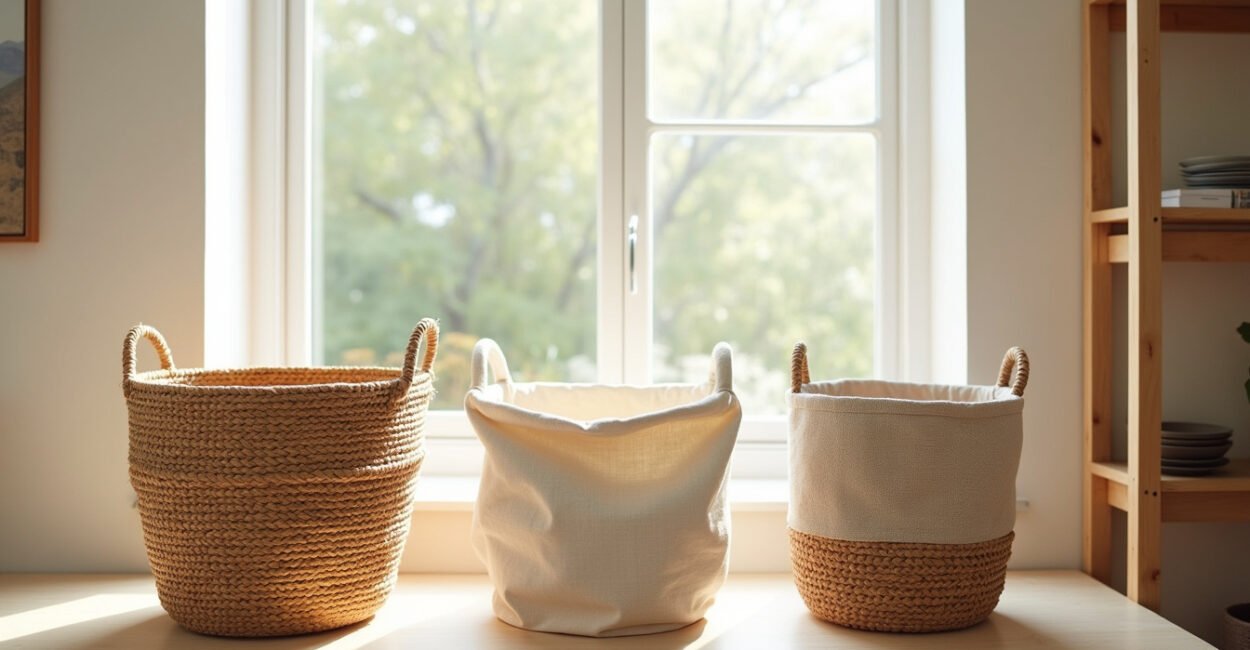
Seagrass looks calm, recycled cotton feels soft, and FSC wood ages like furniture — but not every basket earns its price tag.
When you compare ethical storage basket brands side by side, the real difference is not just how they look on day one. It’s how the weave loosens, how the color fades, and whether the finish still feels good after a year of real use.
If you want a basket that stays useful and doesn’t feel disposable, the material matters more than the marketing.
Why Material Beats Marketing in Ethical Storage Basket Brands
In the basket world, “ethical” usually means more than one thing: responsibly sourced fibers, lower-impact materials, fairer production, and finishes that avoid unnecessary chemicals. But here’s the part shoppers feel in practice: the material decides whether a basket survives daily life or ends up looking tired fast.
Seagrass brings texture and sturdiness, recycled cotton brings softness and flexibility, and FSC wood brings structure and longevity. That’s the real tradeoff. Ethical storage basket brands often lean into one of those strengths, so your best choice depends on what you’re storing and where the basket lives.
For shelves and open rooms, looks matter. For closets and kids’ rooms, durability wins. And for damp spaces, the wrong finish can age badly no matter how “ethical” the label sounds. That’s why the best buy is usually the one that fits the material to the job.
Seagrass: The Best Value When You Want Character and Structure
Seagrass is a natural fiber woven into firm, textured baskets. It usually ages better than people expect, because the patina can look intentional as the color deepens a little over time. Among ethical storage basket brands, seagrass often hits the sweet spot between price, strength, and visual warmth.
What it does well:
- Holds its shape on shelves
- Looks more elevated than plastic or wire
- Usually costs less than solid wood options
What to watch: seagrass can fray at the edges if it’s overloaded or dragged across rough surfaces. It also dislikes constant moisture. If you want the finish to age well, choose tighter weaving and a matte, uncoated look. That combination tends to wear in gracefully instead of peeling or cracking.
In one apartment I saw, a family used seagrass bins for throws and toys in a bright living room. Three years later, they still looked good — not pristine, but better. The baskets darkened slightly, and that change gave them more depth. The cheap resin bins next to them looked like they’d aged ten years in two.

Recycled Cotton: The Softest Option, but Not the Toughest
Recycled cotton baskets are usually woven from reclaimed textile fibers, which makes them appealing for people who want a softer, more flexible storage solution. They’re great for nurseries, linen closets, and light everyday organizing. Ethical storage basket brands use this material when the goal is comfort, lightness, and lower waste.
The catch is longevity. Recycled cotton ages best when it’s dense, tightly stitched, and kept away from heavy compression. If the weave is loose, the sides can slump. If the basket is overfilled, it can lose its shape fast.
What to avoid:
- Very thin handles on large baskets
- Loose weaves for heavy items
- Light colors if the basket will sit on the floor
Best finish? Unbleached or heathered cotton usually hides wear better than stark white. And if you want a basket to look good after months of real use, choose one with subtle texture. It disguises everyday flattening in a way that smooth fabrics never will.
FSC Wood: The Longest-lasting Option, but Rarely the Cheapest
FSC wood baskets and box-style organizers bring a different kind of value: they age like furniture. FSC certification means the wood comes from responsibly managed forests, which is a real point in their favor, not just a label for the shelf tag. In ethical storage basket brands, FSC wood usually shows up in rigid bins, framed baskets, or hybrid designs.
Here’s the honest tradeoff: wood lasts longest, but it usually costs more upfront. If you’re comparing price per year of use, though, it can beat cheaper woven baskets that need replacing sooner. The best finishes are usually natural oil, water-based matte sealant, or unfinished wood in low-touch areas.
Glossy coatings age worst. They scratch, chip, and start looking patchy long before the basket itself is actually worn out. Matte finishes hide small marks better and keep the basket looking calm instead of shiny and tired.
According to the Forest Stewardship Council, FSC-certified wood supports responsible forest management, and that matters when you want a durable item without a throwaway feel.
Which Finishes Age Best, and Which Ones Look Dated First
This is where a lot of people get it wrong. They choose the basket material first, then ignore the finish. But finish is what your eye keeps noticing after the novelty wears off.
Best-aging finishes tend to be:
- Matte, not glossy
- Natural-toned, not ultra-bright
- Textured, not perfectly smooth
- Minimal coating, unless moisture is a real issue
Seagrass ages best with a dry, natural look. Recycled cotton ages best when the weave is dense and the color is heathered or muted. FSC wood ages best with matte oil or a soft sealant that lets the grain show. The finishes that date fastest are shiny lacquers, overly dyed surfaces, and anything that tries too hard to look “perfect.” Perfect is fragile.
That’s the quiet truth in ethical storage basket brands: the materials that age gracefully usually look a little more honest from day one.
Where to Spend More, Where to Save, and What to Skip
If your budget is tight, spend on structure before style. A well-made seagrass basket will usually beat a pretty but flimsy cotton one for shared spaces. If the basket will hold blankets, books, or toys, FSC wood or tightly woven seagrass makes more sense than a soft-sided option.
If you’re buying for a nursery, laundry shelf, or guest room, recycled cotton is the easiest place to save. Just keep the load light and choose darker or heathered tones. If you want the basket to act like decor, FSC wood gives the most polished presence, but only if the finish is restrained.
According to the EPA’s guidance on sustainable materials management, longer-lasting products reduce replacement cycles — and that’s where durability becomes part of sustainability, not separate from it.
The smartest buy is the one you won’t have to apologize for next year.
Are Seagrass Baskets Better Than Recycled Cotton Baskets?
They’re better for different jobs. Seagrass is sturdier, holds shape better, and usually ages more gracefully in visible spaces. Recycled cotton feels softer and works well for lighter items, but it can slump if you overload it. If you want a basket that keeps its profile on an open shelf, seagrass usually wins. If you want something softer for linens or nursery storage, recycled cotton makes more sense.
Do FSC Wood Baskets Really Last Longer?
Usually, yes. FSC wood tends to outlast woven options when it’s used in dry indoor settings and finished well. The key is the coating: matte oil or a subtle sealant ages better than high-gloss finishes. A poorly finished wood basket can still disappoint, so certification helps with sourcing, not automatically with craftsmanship. Look for joints, edges, and finish quality before you pay more.
Which Finish Hides Wear the Best?
Matte finishes hide small scratches and fingerprints better than glossy ones. On seagrass, natural or lightly toned finishes age well because they fade into the material’s texture. On recycled cotton, heathered or textured colors hide compression and fuzzing. On FSC wood, a matte oil finish tends to look better over time than a reflective lacquer. Shiny finishes often show the first signs of wear fastest.
What Should I Avoid When Shopping Ethical Storage Basket Brands?
Avoid baskets that look beautiful but feel structurally weak in your hands. Loose weaves, thin handles, and brittle coatings are the usual red flags. Also avoid material-mismatch mistakes: recycled cotton for heavy books, or glossy wood in a humid bathroom. Ethical storage basket brands can still make poor-fit products, so think about use first and aesthetics second. That order saves money and frustration.
What’s the Best Affordable Choice Overall?
For most people, seagrass is the best balance of price, durability, and style. It feels natural, holds up well in everyday rooms, and usually ages with more charm than it loses. If you need softness and low cost, recycled cotton is the runner-up. If you want the longest life and can spend a bit more, FSC wood is the strongest investment — as long as the finish is matte and well made.