Skip to content

Neutral rooms rarely fail because of color. They fail because everything feels flat. Layering textures in neutral living rooms is the design move that fixes that problem: it adds depth, warmth, and visual rhythm without depending on bold paint or loud accents.
In practical terms, texture is the mix of surfaces you feel and notice at a glance—linen, wood grain, boucle, wool, stone, rattan, matte ceramics, and the pile of a rug. When those materials are layered with intention, a beige or white room stops reading as “unfinished” and starts reading as calm, collected, and lived-in. The good news is that you do not need a large budget or a designer’s eye to do it well.
What You Need to Know
- Texture creates contrast when color stays quiet, so a neutral room can feel richer without adding more shades.
- The best results come from mixing finishes, not matching them: soft next to rough, matte next to reflective, smooth next to woven.
- Large surfaces do the heavy lifting first, especially rugs, sofas, curtains, and wood furniture.
- Too many similar neutrals can flatten a room, while too many competing textures can make it feel busy.
- A good neutral room usually has one anchor texture, two supporting textures, and one or two accent materials.
Layering Textures in Neutral Living Rooms Starts with Contrast, Not More Color
The formal definition is simple: texture layering is the intentional combination of surface qualities—visual, tactile, and reflective—to create depth and balance within a room. In plain English, it means you make a neutral space interesting by changing how each object feels to the eye, even if the colors stay within a tight palette.
That distinction matters. A living room can contain five shades of ivory and still feel boring if every surface is smooth, glossy, and visually similar. On the other hand, a room with only three neutrals can feel expensive and calm when it includes wool, oak, plaster, linen, and a nubby rug. Texture does the work that color normally does in brighter interiors.
What separates a quiet room from a flat room is not the amount of neutral color—it is the mix of surfaces, finishes, and tactile contrast.
Who works in interiors knows this from experience: the room usually changes the moment the rug is swapped or the curtains go up. Paint alone rarely solves the problem. The structure of the space matters, but the feeling of the space is mostly built through materials.
Build the Room from the Ground Up
Start with the Largest Soft Surface
Begin with the rug, because it sets the texture baseline for everything else. A flat-weave rug reads very differently from a high-pile wool rug or a natural jute rug, and that choice affects the entire room. In a neutral living room, a rug with visible weave or subtle pattern gives the eye something to hold onto without creating color noise.
If the room already has a smooth sofa and simple walls, a rug with more texture can carry the space. If the sofa is a chunky boucle piece, a lower-profile rug often works better so the room does not feel overdressed. The goal is balance, not competition.
Then Add the Sofa and Window Treatment
Linen sofas and linen drapery bring a relaxed, breathable quality that suits neutrals well. Boucle, by contrast, feels softer and more dimensional; it catches light differently and adds a gentle, almost cloudlike mass. If you have ever seen a room go from “nice” to “finished” overnight, a textured upholstery swap is often why.
Window treatments matter more than people expect. Floor-length curtains in washed linen or cotton blend soften hard architectural lines and help the room feel layered even when the furniture is simple.

The Best Texture Pairings for a Neutral Palette
Not every texture works equally well with every neutral. Some combinations feel calm; others feel accidental. The strongest pairings usually combine one soft material with one structured or natural material.
| Primary Texture | Pairs Best With | Why It Works |
|---|---|---|
| Linen | Oak, travertine, wool | Softens harder materials and keeps the room from feeling stiff |
| Boucle | Walnut, metal, flat-weave rug | Adds volume, so it needs cleaner surrounding surfaces |
| Wood grain | Cotton, plaster, ceramic | Brings natural structure and warms cooler neutrals |
| Jute | Velvet, linen, matte pottery | Creates a grounded, earthy base without color |
A room with layering textures in neutral living rooms usually succeeds when the pairings feel intentional rather than decorative. For example, boucle and boucle everywhere can look overstyled. Boucle next to oak, linen, and a wool rug feels curated in a quieter way.
For a broader design perspective on how materials influence comfort and indoor experience, the American Institute of Architects and the USDA National Agricultural Library both offer useful background on built environments and natural materials. Those sources are not about decorating trends, but they help explain why material quality changes how spaces feel.
Use Three Texture Layers in the Right Order
Base Layer: The Big Surfaces
The base layer includes rug, sofa, curtains, flooring, and any large built-ins. This is where the room’s texture story begins, because large surfaces dominate perception. If these pieces all share the same finish level, the room will feel visually thin.
Middle Layer: Furniture and Anchors
The middle layer includes coffee tables, side tables, media consoles, benches, and occasional chairs. Here, contrast becomes more important than softness. A wood coffee table, a stone side table, or a leather lounge chair can interrupt a soft room in the right way.
Top Layer: Objects and Details
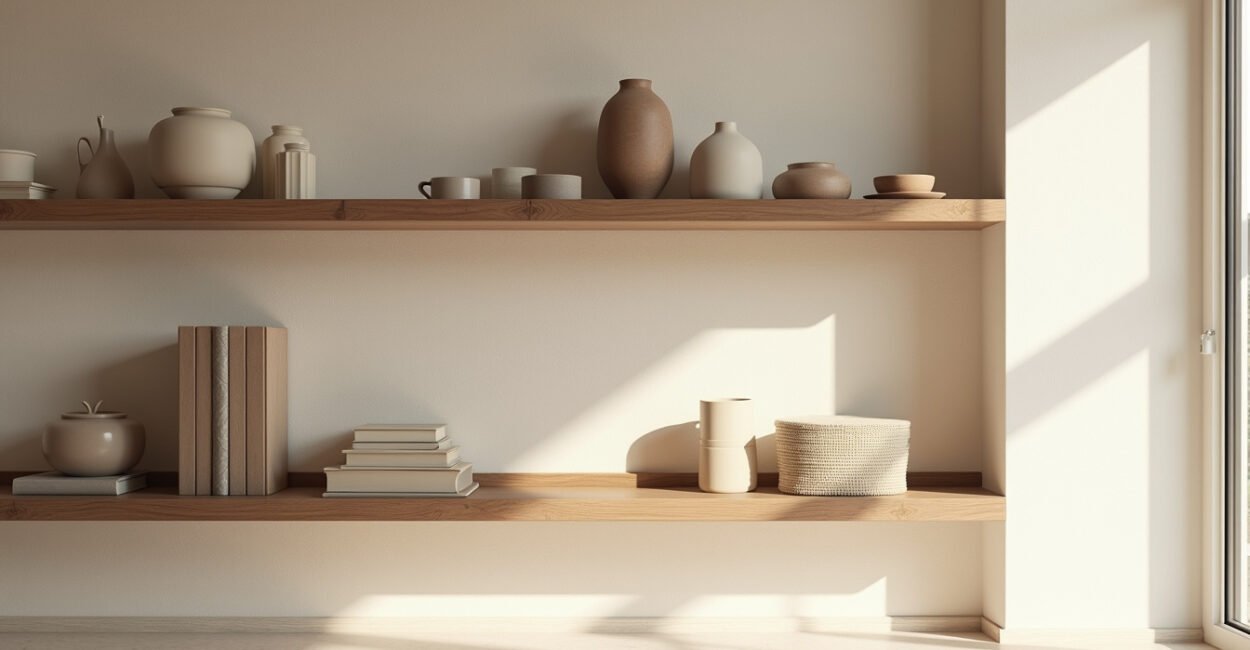
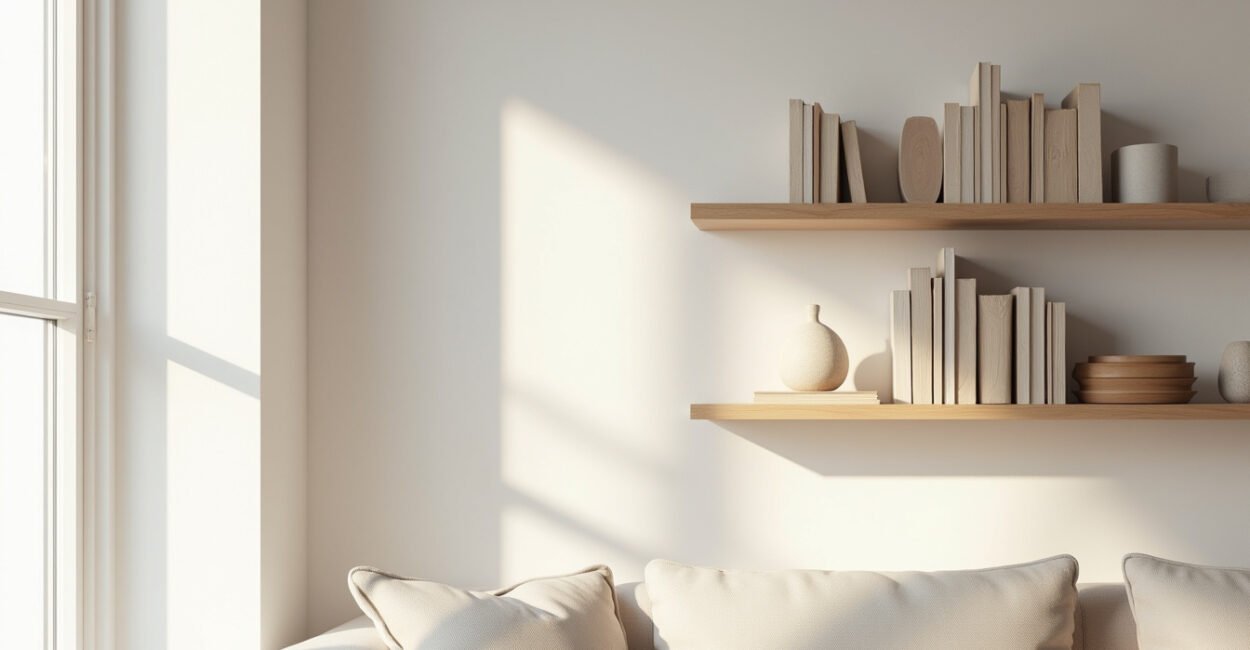
The top layer is where you use books, ceramics, trays, baskets, and throw pillows. This layer should not carry the whole design, but it should refine it. A matte vase, a woven basket, and a nubby cushion do more for a neutral room than a pile of shiny accessories ever will.
A neutral room feels finished when its layers change in scale as well as in texture: large soft surfaces, medium structural pieces, and small tactile details.
How to Keep Neutral Layers Interesting Without Making the Room Busy
This is where many people go too far. They keep adding texture because the room still feels empty, but the problem is usually not texture—it is hierarchy. Every room needs a dominant material, a supporting material, and a few accents. If everything competes for attention, the space loses clarity.
There is also a limit to how much “visual roughness” a room can hold before it starts looking messy. A jute rug, a bouclé chair, a heavily grained wood table, woven baskets, fringe pillows, and slubby curtains can all work together, but only if one or two of them are clearly quieter than the rest. That balance is where the room starts to feel edited.
A practical rule: if two adjacent surfaces have the same level of texture, change one of them. For example, pair a chunky rug with smoother curtains, or a soft sofa with a cleaner-lined table. The room needs relief.
For evidence that indoor comfort is strongly shaped by the built environment—not just decoration—see the National Institute of Environmental Health Sciences, which discusses how indoor spaces affect well-being and daily experience. The design lesson is straightforward: sensory quality matters, even in a living room.
A Practical Styling Formula That Works in Real Homes
Here is a simple structure that holds up well in real life:
- Choose one soft foundation, such as a wool rug or linen sofa.
- Add one natural structure, such as oak, rattan, or walnut.
- Introduce one matte finish, such as plaster, ceramic, or unglazed stone.
- Finish with one tactile accent, such as boucle, fringe, or a woven basket.
That formula works because it keeps the palette calm while changing the sensory experience. A neutral room does not need seven textures. It needs the right four in the right proportions.
Mini-story: I once saw a living room that looked unfinished even after the owner bought new pillows and art. The fix was not more decor. We replaced a thin synthetic rug with a wool one, switched the coffee table from glass to oak, and added linen curtains that reached the floor. The room changed instantly. It felt warmer, quieter, and far more intentional—without adding a single bold color.
Where Neutral Texture Layering Fails Most Often
There are a few predictable mistakes. The first is relying on color names instead of material differences. “Warm white” and “soft beige” still look flat if both are on smooth surfaces. The second is mixing too many artisanal textures at once, which can push a room from serene to fussy.
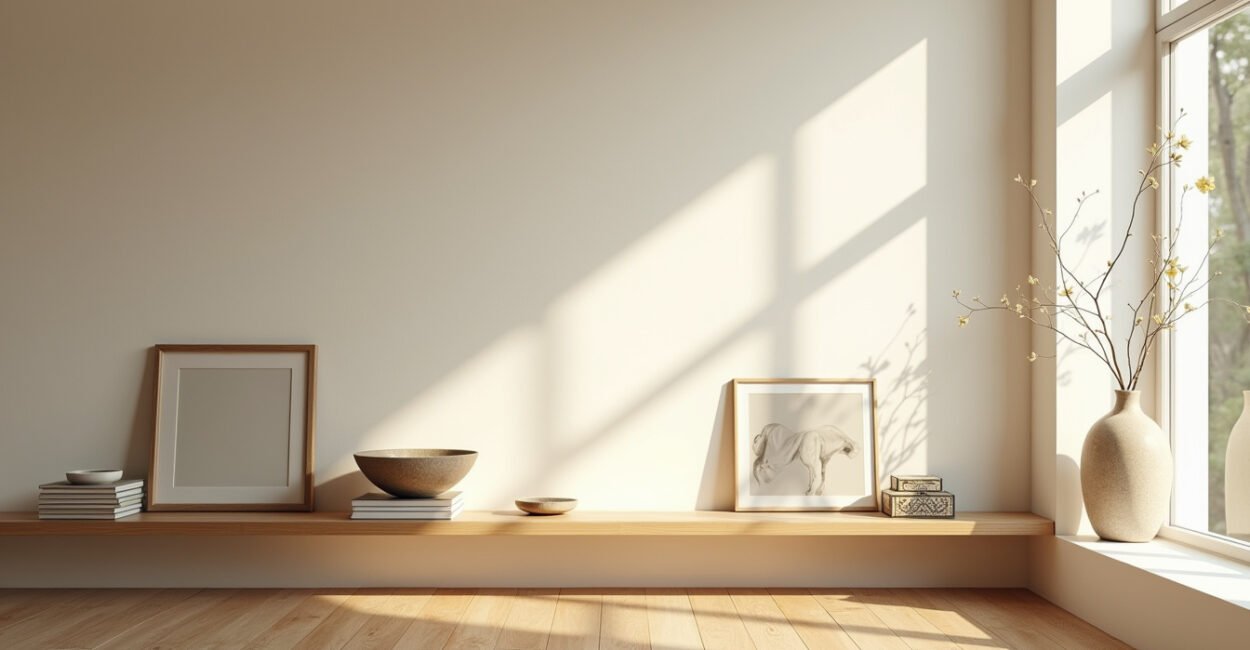
Another failure point is lighting. Texture needs side light, natural light, or layered lamp light to show up. In a dim room, subtle weave and grain disappear. That is why a beautifully textured room can still feel dull at night if it has only one overhead fixture.
One nuance worth admitting: this method works best when the room already has decent proportions and enough natural light. In a very small or dark living room, texture alone cannot solve poor layout or weak lighting. In those cases, the first move is usually better light distribution, not more pillows.
What to Do Next in Your Own Living Room
Walk into the room and name the most dominant surface, the softest surface, and the hardest surface. If those three all feel visually similar, start there. Replace one piece before adding anything new. That one decision usually does more than a cart full of accessories.
If you want the room to feel calmer, choose textures with visible grain and low sheen. If you want it to feel warmer, lean into wool, linen, wood, and woven fibers. If you want it to feel more polished, keep the palette neutral but increase the contrast between matte and soft finishes. Test the room in daylight and at night before deciding the layer is done.
Frequently Asked Questions
What Textures Work Best in a Neutral Living Room?
The most reliable textures are linen, wool, boucle, oak, walnut, jute, ceramic, and stone. These materials add contrast without forcing the room into a strong color story. The best mix usually includes one soft textile, one natural wood, and one matte accessory. That combination creates depth while keeping the palette calm and easy to live with.
How Many Textures Should a Neutral Living Room Have?
Most neutral living rooms work well with four to six distinct textures. Fewer than that can feel flat, while too many can feel busy or overstyled. The key is variety in scale, finish, and softness, not sheer quantity. A room with a wool rug, linen curtains, wood furniture, and a ceramic accent already has enough structure to feel complete.
Can a Neutral Room Use Pattern as Well as Texture?
Yes, but pattern should stay quiet if texture is doing the main work. A subtle stripe, herringbone weave, or tonal geometric can support the room without taking over. Strong pattern and strong texture together can overwhelm a neutral space. If you want both, keep one of them very restrained so the room still reads as calm.
Why Does My Neutral Living Room Still Feel Cold?
Cold neutral rooms usually have too many smooth surfaces and not enough tactile contrast. Glass, glossy finishes, pale paint, and flat upholstery can make a space feel sterile when used together. Add warmth through wool, wood grain, linen, and a rug with some body. Also check lighting, because texture is harder to read in harsh overhead light or weak ambient light.
What is the Easiest Way to Start Layering Textures Without Redecorating Everything?
The easiest starting point is the rug, followed by curtains or a throw blanket. Those two changes can shift the room’s feel quickly because they cover large visual areas. After that, add one wood piece and one matte accessory to create contrast. Small changes work best when they target the largest surfaces first, not the smallest decorative objects.