Skip to content

Most apartment buildings waste more energy and water than renters realize—and the fastest fixes usually cost less than a takeout order. The best green living tips for apartment dwellers are not about remodeling or buying a full set of “eco” products; they are about changing the habits and tools that quietly drive your utility bills, trash output, and cleaning footprint.
This is a practical guide to sustainable apartment living without landlord approval, major upgrades, or a big budget. You will get apartment-specific swaps for energy, water, waste, cleaning, laundry, and storage, plus a realistic routine that works in small spaces.
In a Nutshell
- The highest-impact apartment changes are the ones that reduce heating and cooling loss, cut standby power, and shrink single-use purchases at the source.
- Renters usually save the most by sealing drafts they can fix, using efficient lighting, and running appliances only when they are full or needed.
- Water savings in apartments come from short-use habits: faucet aerators, shorter showers, and fewer hot-water cycles matter more than dramatic upgrades.
- A zero waste apartment is not about perfection; it is about choosing reusables, buying less, and making sorting, storing, and recycling easy enough to repeat.
- Eco-friendly cleaning and sustainable laundry tips work best when you use concentrated products, cold water, and smaller loads, not more detergent.
Start with the Highest-Impact Apartment Green Habits
The most effective apartment sustainability moves are the ones you repeat every day: using less heating and cooling, switching off phantom loads, and buying fewer disposable items. If you do only three things, start there. Those habits cut emissions without needing permission, tools, or a renovation budget.
Focus on What Runs Every Day
Apartment green living is driven by the systems you touch constantly: lights, thermostat settings, appliances, hot water, and trash. In practice, the biggest wins come from reducing total use, not from chasing perfect “eco” branding. That is why a renter who fixes drafts, uses LEDs, and stops over-washing clothes often sees better results than someone who buys expensive green gadgets.
The difference between sustainable apartment living and feel-good environmentalism is measurable behavior change: less energy used, less water heated, and less trash sent out the door.
If your building has thin windows or inconsistent insulation, that does not cancel the benefit of the basics. It just means you should prioritize the parts you control. For a good companion to cleaner indoor air while you cut chemicals, see natural air fresheners that keep a home feeling clean without heavy fragrance.
Build Habits Around Friction, Not Willpower
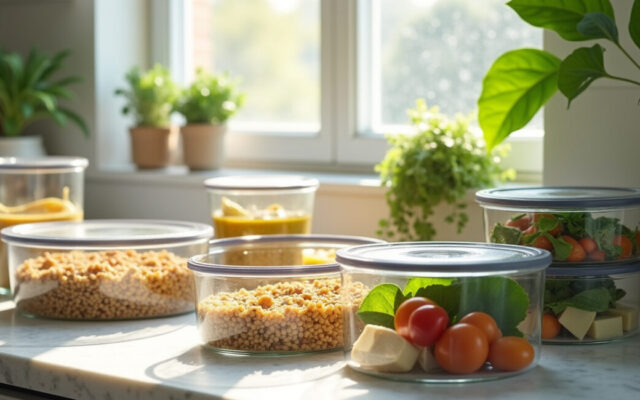
Put a recycling bin where trash usually piles up. Keep reusable bags by the door. Store a refillable bottle near the sink. These are small design choices, but they remove the little annoyances that make people fall back to disposables. Who works with apartment households sees this pattern all the time: the easier the eco-choice, the longer it lasts.
- Replace one high-use disposable item at a time.
- Keep a “donate” box for clutter so usable items do not become trash.
- Choose products you will actually reuse weekly, not just occasionally.
Reduce Energy Use Without Changing the Building
You can reduce energy use in an apartment without touching the electrical panel or calling the landlord. Start with the biggest loads: heating, cooling, lighting, laundry, and cooking. These are the places where small changes compound, especially in a studio or one-bedroom where one person’s habits affect the entire space.
Use the Building Less, Not Just the Thermostat
Programmable thermostats help, but renters often cannot install them. That is fine. Use window coverings to block summer sun, close doors to condition only the room you are using, and run fans to circulate air so you can set the temperature a little less aggressively. LED bulbs also matter more than people think because they cut electricity and reduce heat in small rooms.
If you want a simple benchmark, the U.S. Department of Energy notes that replacing just five frequent-use bulbs with ENERGY STAR LEDs can save about $40 per year in energy costs; see the agency’s lighting guidance at Energy Saver’s LED lighting page.
Stop Paying for Phantom Power
Many apartments quietly waste electricity through standby power: chargers, TVs, game consoles, routers, and kitchen appliances that stay plugged in all day. Power strips solve that problem fast. Turn off the strip when the devices are not in use, and you cut a slice of waste without changing your routine.
Phantom power is small at the device level, but in a compact apartment it becomes a constant background drain because so many devices stay plugged in all the time.
That matters most in homes where a few electronics stay on 24/7. It is not a magic fix for every bill, and it will not replace insulation or efficient appliances. But for renters, it is one of the few low-effort changes with immediate payoff.
Cook and Cool with Less Energy
Induction and convection are efficient, but you do not need new appliances to do better. Use lids on pots, batch-cook when you already have the stove on, and keep freezer and refrigerator doors closed as much as possible. In summer, avoid heating the apartment with long oven runs if a microwave, toaster oven, or stovetop will do.
- Use a fan before lowering the thermostat.
- Cook multiple meals in one session.
- Choose natural light during the day whenever possible.

Save Water in Kitchens and Bathrooms
To save water in an apartment, start with the places where water runs unnoticed: bathroom faucets, shower time, dishwashing, and laundry. Water use in rental homes is often less about one dramatic leak and more about dozens of tiny habits that add up every day. That is why apartment water savings respond so well to simple controls.
Shorten the Habits That Waste the Most
Cutting shower time by just a few minutes has a bigger effect than most people expect because it reduces both water and the energy used to heat it. Turn the tap off while brushing teeth or shaving. In the kitchen, wash produce in a bowl instead of under a running faucet, and avoid letting hot water run until it gets warm if you do not need it.
The EPA’s WaterSense program is a solid reference for low-flow fixtures and water-saving habits; its guidance on efficient showerheads and faucet aerators is available at WaterSense.
Use the Tools Renters Can Actually Control
Most renters cannot replace plumbing, but many can add a faucet aerator or switch to a low-flow showerhead if the landlord allows easy, reversible upgrades. These are low-cost items, and they matter because they reduce flow without making the sink or shower feel useless. That is the key test: savings that do not change your daily life are the ones you keep.
Dishwashing and Laundry Both Reward Restraint
If you use a dishwasher, run full loads and use air-dry when available. If you wash dishes by hand, fill one basin with soapy water instead of keeping the tap open. The same logic applies to laundry: full loads, cold water when the fabric allows it, and shorter dry times.
| Habit | Why it helps | Best use case |
|---|---|---|
| Full dishwasher loads | Uses less water per dish | Households that generate dishes daily |
| Cold-water laundry | Reduces water heating energy | Most everyday clothing |
| Air-dry settings | Cuts dryer electricity use | Dishes and many garments |
Cut Waste in a Small Space
To reduce waste in small spaces, you need a system that is easier than tossing things out. In apartments, clutter and trash are closely linked: when storage is tight, people buy duplicates, keep extras they do not need, and default to single-use items because they seem simpler. A zero waste apartment works when your storage and disposal habits are designed together.
Make Reusables the Default
Keep reusable shopping bags near your keys, not in a closet. Use one water bottle, one coffee cup, and one food container set that you actually like. That sounds modest, but the point is consistency. The more often you use a reusable item, the faster it replaces a stream of disposables.
If you are trying to reduce bathroom trash, this pairs well with a simple zero-waste skincare routine that cuts packaging without making life harder.
Sort Recycling and Composting Before the Bag is Full
Many apartment residents lose recyclable material because the sorting step feels annoying. Keep paper, plastic, metal, and compost in clear, labeled containers if your building supports them. If compost pickup is not available, focus on buying less food that spoils quickly and using what you already have. That is not a failure; it is a practical adaptation to where you live.
Buy Less, but Buy Better When It Counts
The greenest item is the one you do not buy twice. That means choosing durable basics for high-turnover categories: cleaning cloths, storage containers, dish brushes, and laundry tools. For other categories, a cheap version is fine if you know you will replace it rarely. The wrong move is paying for “eco” labels that break in two months and create more waste than the original plastic version.
Make Cleaning and Laundry More Sustainable
Eco-friendly cleaning is not about using nothing; it is about using less chemistry, less packaging, and less water while still getting a genuinely clean home. In apartments, this matters because ventilation is often limited, surfaces are close together, and chemical smells linger longer than in larger homes. The right products and routines make a noticeable difference.
Choose Concentrated, Simple Cleaners
For most apartment surfaces, you do not need a separate bottle for every room. A few concentrated cleaners, microfiber cloths, and the right dilution do the job. If you want surface-specific guidance, these eco-friendly floor cleaning methods cover how to clean common finishes without overusing product or water.
The biggest mistake is using too much soap. More detergent does not equal cleaner; it often leaves residue that attracts more dirt. That is why concentrated formulas, used correctly, usually beat “natural” products that are mostly water and fragrance.
Use Sustainable Laundry Tips That Fit Real Apartment Routines
Wash cold when care labels allow it, clean full loads, and skip extra rinse cycles unless you need them. Dryer sheets add waste and unnecessary fragrance, so wool dryer balls or air drying are usually better. If you line-dry indoors, put the rack near airflow and away from damp corners to avoid musty smells.
Cold-water washing is one of the easiest apartment sustainability wins because it saves energy without changing how often you do laundry.
Keep Cleaning Storage Compact and Reusable
A tiny cleaning cabinet is not a problem if the items inside are versatile. Keep one spray bottle, one scrub brush, one microfiber mop pad, and a small set of refills. The goal is not a perfect “green” kit; it is a kit that stays organized enough to use consistently. That consistency is what keeps apartment sustainability from turning into clutter.
Shop, Store, and Organize with Less Clutter and More Reusables
Apartment green living gets easier when your shopping habits match your square footage. Small spaces punish excess. Every duplicate, impulse buy, and oversized package creates storage stress, and that stress is what pushes people back toward disposable convenience. A greener home usually starts with a simpler one.
Choose Storage That Works with the Space You Have
Use clear bins, stackable containers, and vertical storage so you can see what you own. If you cannot see it, you will buy it again. That is a common pattern in apartment households, and it drives both waste and spending. Good organization reduces environmental impact because it reduces accidental overbuying.
For low-cost reusable upgrades beyond the kitchen, cheap reusable self-care essentials are a good example of buying once and using often.
Shop in the Size That Fits Your Life, Not the Sale
Bulk can be smart, but only when storage, shelf life, and usage rate line up. In an apartment, overbuying toilet paper, pantry staples, or cleaning supplies can backfire if the packages crowd out everything else. That is one place where sustainability and practicality point in the same direction: buy the amount you will use before it expires, expires, or becomes a mess.
Use “one in, One Out” for Clutter Control
When you bring home a new towel, container, mug, or appliance, move one older item out. This keeps cabinets from filling with duplicates and keeps you honest about what you actually use. The rule is not strict ideology; it is a simple way to stop plastic, paper, and cheap household items from multiplying in a small apartment.
Build a Green Routine That Fits Apartment Life
The most durable apartment sustainability strategy is a routine you can keep on busy weeks, not just on ideal ones. Think in layers: daily habits, weekly resets, and monthly checks. That structure works because it turns “living greener” into normal household maintenance instead of a side project.
Use a Weekly Reset
Once a week, empty the recycling bin, check food that needs using up, refill cleaning supplies, and reset reusable items by the door. This keeps the apartment from drifting into waste and clutter. A 15-minute reset often does more for green living than an ambitious makeover that never gets repeated.
Check the Few Things That Actually Drift
Energy settings, trash overflow, and laundry pileups are the three problems that usually sneak back in. Watch those first. If your utility bill jumps, your trash bags multiply, or your hamper becomes a storage unit, the routine needs adjusting. That does not mean you failed; it means the system needs one small correction.
There is one limit worth admitting: some apartments have poor insulation, old appliances, or restrictive building rules that cap how far renters can go. In those cases, the smartest move is to focus on behavior, low-cost fixtures, and habits you can sustain. That is where apartment green living becomes realistic rather than aspirational.
What to Do Next
The best next step is not to change everything at once. Pick one habit from energy, one from water, and one from waste, then keep them for two weeks. If they stick, add another. That is how sustainable apartment living becomes a system instead of a mood.
If you want the highest return, start with LED bulbs, a power strip for standby devices, a full-load laundry rule, and one reusable setup you will use every day. Then build from there. Small-space sustainability works when the changes are boring enough to survive real life.
Frequently Asked Questions
What Are the Easiest Green Living Changes for Apartment Dwellers?
The easiest changes are the ones that do not depend on building upgrades: switching to LED bulbs, unplugging idle electronics, using reusable bags and bottles, washing laundry in cold water, and shortening showers. These habits are low-cost and easy to repeat, which is why they tend to stick. If you want the quickest payoff, start with one energy habit, one water habit, and one waste habit instead of trying to overhaul the whole apartment at once.
How Can I Live More Sustainably in an Apartment Without Renovations?
Focus on the parts you can control: lighting, appliance use, shower length, laundry settings, cleaning supplies, and the number of disposable items you bring home. Reversible upgrades like faucet aerators, showerheads, and power strips can help if the lease allows them, but they are not required. In most rentals, the biggest gains come from behavior, not construction. That is what makes apartment sustainability realistic for tenants.
What Are the Biggest Energy-saving Tips for Renters?
The biggest energy-saving tips for renters are using LED bulbs, reducing standby power with switched power strips, setting heating and cooling more carefully, and using windows, fans, and shades to control indoor temperature. Laundry matters too, especially if you wash and dry often. The key is to target the devices and habits that run every day. One small apartment can waste a surprising amount of electricity through constant background use.
How Can I Reduce Waste in a Small Apartment?
Reduce waste by replacing the items you use often with reusables, buying less overall, and making sorting easier than throwing things away. Keep bags, containers, and a recycling setup where you will actually use them. Small apartments create waste faster when storage is crowded, so clutter control is part of waste reduction. If you can see what you own and use it regularly, you are less likely to buy duplicates or default to disposables.
What Eco-friendly Habits Actually Make a Difference in Apartment Life?
The habits that matter most are the ones tied to energy, hot water, laundry, and single-use consumption. Shorter showers, cold-water washing, reduced standby power, efficient lighting, and reusable everyday items all make a measurable difference. Eco-friendly cleaning helps too, especially when you use concentrated products and avoid overuse. The best habits are the ones that lower your impact without adding extra effort every week.