Skip to content

[A] If your week gets chaotic fast, a 30-minute plant-based meal prep routine can still give you a fridge full of real meals without turning Sunday into a second job. The trick is not cooking more food; it is building a faster system around grains, proteins, sauces, and vegetables that can be mixed into lunches and dinners all week.
This article gives you a realistic Sunday workflow, the best foods to batch prep, the shortcuts that save the most time, and a simple assembly formula that keeps meals from getting boring. It is practical, not perfect—and that matters, because the best meal prep is the one you can repeat next week.
In a Nutshell
- Plant-based meal prep in 30 minutes works best when you batch components, not full recipes.
- The fastest system uses one grain, one protein, two vegetables, and one sauce that can power multiple meals.
- Pre-cut produce, canned beans, microwavable grains, and ready-made greens are the difference between success and frustration.
- Good storage matters as much as cooking, because soggy greens and wet sauces ruin otherwise solid prep.
- The goal is not a perfect menu; it is enough healthy meal prep to make lunches and dinners easy to assemble.
What a 30-Minute Plant-Based Meal Prep Looks Like
A 30-minute plant-based meal prep is a fast batch-prep session that creates mix-and-match ingredients for several meals, not a week of fully plated dishes. In plain English, you are making the parts once so weekday meals take two to five minutes to assemble. That usually means one grain, one protein, a couple of vegetables, and one or two sauces.
This approach works because most plant-based ingredients do not need long cook times. Canned chickpeas, pre-cooked lentils, tofu, frozen edamame, bagged greens, microwavable brown rice, and steam-in-bag vegetables all cut prep time sharply. If you want a deeper look at reducing kitchen friction more generally, the same logic appears in these simple green home habits: fewer steps, fewer tools, faster results.
Why This Format Works Better Than Full Recipes
Full recipes are great when you have time. On a busy Sunday, they slow you down because every extra chop, simmer, and pan adds friction. Batch prep keeps the number of decisions low during the week. Instead of asking, “What am I cooking tonight?” you ask, “Which prepped pieces am I combining?”
The difference between successful meal prep and abandoned containers is not culinary skill—it is a system that keeps each ingredient useful in more than one meal.
The 30-Minute Game Plan: Step-by-Step Workflow
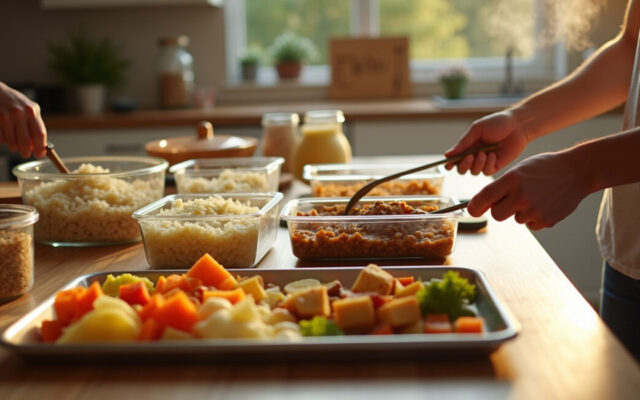
Can you really meal prep plant-based meals in 30 minutes? Yes, if you use a strict workflow and accept that you are preparing components, not restaurant-style entrées. The fastest routines rely on parallel tasks: while one item heats, you chop another or portion containers. That is what makes quick meal prep realistic instead of aspirational.
Minute 0–5: Set Up the Whole Kitchen
Before turning anything on, pull out containers, a cutting board, a knife, a sheet pan, and your ingredients. Rinse produce, drain canned beans, and set your sauces aside. This sounds minor, but setup prevents the most common time loss: opening the fridge five times because one item is still missing.
Minute 5–15: Start the Fastest Heat Sources
Use the appliances that buy back time. Microwave a grain pouch, roast or air-fry tofu, or warm beans with spices in a skillet. If you have frozen vegetables, steam them now. A rice cooker also works, but only if it is already part of your routine; if not, it can slow you down rather than help.
Minute 15–25: Chop, Portion, and Mix
While the hot items cook, chop one crunchy vegetable and one soft vegetable. Think bell peppers, cucumbers, shredded carrots, cherry tomatoes, spinach, or roasted broccoli. Then portion everything into containers or keep parts separate if you know you hate soggy lunches. Keep sauces in small jars so they do not flood the grains.
Minute 25–30: Label, Cool, and Store
Once the basics are done, divide them into lunch boxes and dinner boxes or one larger “component bin” in the fridge. If the food is still hot, let it cool briefly before sealing to prevent condensation. This final step protects texture and makes the rest of the week easier.

What to Batch Prep for Fast Meal Assembly
The best plant based meal prep ingredients are the ones that stay flexible for several days. You want foods that can be eaten cold, reheated, or tossed together without falling apart. That usually means choosing sturdy staples instead of delicate ones.
Build Around These Core Ingredients
- Grains: microwave rice, quinoa, farro, couscous, or oats for savory bowls.
- Proteins: tofu, tempeh, canned black beans, chickpeas, lentils, and edamame.
- Vegetables: roasted broccoli, peppers, carrots, green beans, cabbage, and cucumbers.
- Greens: kale, spinach, romaine, or shredded cabbage for better durability.
- Sauces: tahini lemon, peanut sauce, salsa, hummus thinned with water, or vinaigrette.
For food safety and storage basics, the USDA’s cold food storage charts are a reliable reference, especially when you are portioning several meals at once. If you are keeping cooked grains and proteins for the week, clear labeling matters more than most people think. Date your containers and use the oldest meals first.
What to Skip When Time is Tight
Skip anything that needs soaking, long marinating, or complex layering. Dry beans, raw grains that take 40 minutes, and fragile greens like spring mix can make a 30-minute system fall apart. A lot of beginners also overdo wet ingredients, which is how lunches turn mushy by Wednesday.
For fast prep, the best ingredients are not the healthiest in theory—they are the ones you will still want to eat on day four.
Smart Shortcuts That Save the Most Time
The fastest vegan meal prep usually depends on a few honest shortcuts, not heroic cooking. Some home cooks resist this because they think shortcuts mean “less healthy,” but that is not how real life works. If the shortcut gets you to more vegetables, more consistency, and fewer takeout orders, it is doing its job.
Use Convenience Foods Strategically
Frozen vegetables, pre-washed greens, canned legumes, and microwaveable grains are not cheating. They are tools. A bag of frozen broccoli can save 10 minutes of washing and chopping. A can of chickpeas saves you from soaking and simmering. A microwave rice pouch buys back the exact time you need for everything else.
Cook Once, Season Differently
Plain baked tofu or roasted chickpeas can go in completely different directions with one sauce change. Use salsa for taco bowls, tahini for grain bowls, and peanut sauce for noodle-style bowls. This is how you avoid meal-prep boredom without cooking three separate meals. It also keeps shopping simpler.
Keep Texture in Mind
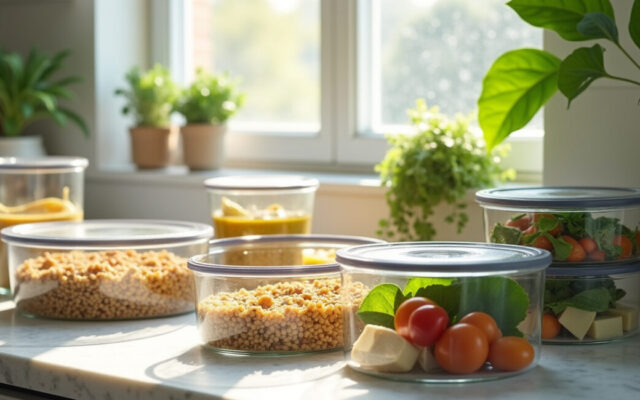
Soggy food is the fastest way to ruin meal prep. Store wet and dry ingredients separately when possible. Keep dressings in tiny containers, place tomatoes above grains instead of on leafy greens, and line containers with sturdier items first. If you have ever opened a box of limp salad and lost motivation instantly, you already know why this matters.
One useful reference point for healthy meal prep habits is the USDA MyPlate framework, which makes it easier to think in balanced parts instead of rigid recipes. That does not force a plant-based diet, but it does support the same practical pattern: vegetables, protein, grains, and a little healthy fat in each meal.
Mix-and-Match Meal Formula for the Week
The easiest way to build easy plant based meals is to use a repeatable formula instead of chasing variety from scratch. The formula is simple: base + protein + vegetable + sauce + crunch. Once you know that pattern, lunch prep becomes assembly, not cooking.
The Formula
- Base: rice, quinoa, couscous, or greens.
- Protein: tofu, beans, lentils, or edamame.
- Vegetable: roasted, raw, or steamed.
- Sauce: tahini, hummus, salsa, vinaigrette, or peanut sauce.
- Crunch: seeds, nuts, shredded cabbage, or cucumber.
How This Helps Lunches and Dinners
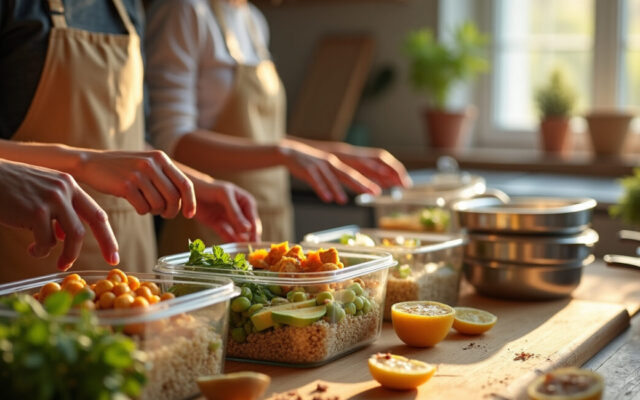
This is where plant based lunch prep and plant based dinner prep start to overlap. A grain bowl works at noon. A taco bowl works at night. The base changes, the sauce changes, and the same prep session carries both meals. That is how you get more mileage out of fewer ingredients.
A small example: on Sunday, you prep quinoa, roasted tofu, shredded carrots, cucumbers, kale, and tahini sauce. Monday becomes a quinoa bowl. Tuesday becomes a wrap. Wednesday becomes a salad with extra tofu. Same prep, different meal, no boredom spiral.
| Prep Component | Best Use | Why It Helps |
|---|---|---|
| Cooked grain | Bowls, wraps, dinner plates | Creates a filling base fast |
| Tofu or beans | Lunches, dinners, salads | Adds protein without extra cooking |
| Crunchy vegetable | Bowls, wraps, sides | Improves texture and freshness |
| Sauce | All meals | Ties the plate together |
Sample 30-Minute Plant-Based Meal Prep Menu
Here is a realistic Sunday meal prep menu that can be done fast without special skills. It is designed for actual weekday use, not for content photos. I have seen this kind of setup work best for people who want healthy meal prep but do not want to spend their whole weekend in the kitchen.
Sample Grocery Set
- 1 microwave brown rice pouch or 2 cups cooked quinoa
- 1 block extra-firm tofu
- 2 cans chickpeas or black beans
- 1 bag frozen broccoli
- 1 bell pepper, 1 cucumber, 2 carrots
- 1 box baby spinach or chopped kale
- 1 jar salsa, hummus, or tahini
What the 30 Minutes Produces
In one prep session, you can make four lunch portions and two to four dinner-ready component meals. That is realistic for one person, and sometimes enough for two people if the week is light. If you need full family coverage, 30 minutes will still help, but it will not replace a larger batch-cooking day.
Who works with this know that the details matter. A little extra sauce in a separate container, a dry topping kept on the side, and one sturdy green instead of three fragile ones can be the difference between meals that feel fresh and meals that get ignored. For planning the rest of your home routine around a low-friction Sunday, these eco-friendly floor cleaning methods follow the same logic: faster prep, fewer steps, cleaner outcomes.
Storage, Food Safety, and How to Keep It Fresh
Can you keep prepped plant-based meals from getting soggy or boring? Yes, but only if you treat storage as part of the system. Food texture changes faster than people expect, especially with greens, tomatoes, cucumbers, and dressings. The best strategy is separation: wet in one container, dry in another, and leafy items packed away from heat and steam.
Simple Storage Rules
- Cool cooked food before sealing containers tightly.
- Store sauces separately whenever possible.
- Put sturdier items at the bottom and delicate greens on top.
- Use glass or BPA-free containers with secure lids.
- Eat the most fragile meals within the first 2 to 3 days.
The CDC food safety guidance is worth following if you are prepping multiple meals at once, especially when cooked foods spend time on the counter during portioning. That said, not every meal needs the same storage rules. A grain bowl can handle a little mixing. A salad cannot. The limit of this method is clear: it works best for sturdy ingredients, not for delicate restaurant-style salads that are meant to be eaten immediately.
Meal prep fails less because people cook badly and more because they store the wrong ingredients the wrong way.
What to Do Next
The smart move is to test one 30-minute routine for two weeks before changing anything. Pick one grain, one protein, two vegetables, and one sauce, then repeat the pattern until it feels easy. That is the fastest way to make plant based meal prep a habit instead of a one-time project.
If you want the best chance of sticking with it, build your Sunday around what you already eat, not what looks ideal on paper. Keep the menu boring for a few weeks if that helps you stay consistent. Consistency wins here.
Frequently Asked Questions
Can You Really Prep a Full Week of Plant-based Meals in 30 Minutes?
Yes, but only if you are prep-cooking components rather than full plated recipes. Thirty minutes can realistically cover four to six meals for one person, depending on how much is already pre-washed, pre-cooked, or canned. The system works best when you keep the menu simple and repeat a small set of ingredients across lunch and dinner. If you want variety, change the sauce instead of changing every base ingredient.
What Foods Are Best for Fast Plant-based Meal Prep?
The best foods are the ones that are fast, sturdy, and flexible. Canned beans, lentils, tofu, frozen vegetables, bagged greens, microwave grains, and simple sauces give you the most return for the least effort. They also hold up better in the fridge than delicate produce or recipes with lots of liquid. If a food can work in a bowl, wrap, or salad, it is probably a good prep choice.
How Do You Keep Prepped Meals from Getting Soggy?
Keep wet ingredients separate until you are ready to eat. Store sauces in small containers, place tomatoes and cucumbers away from greens, and use sturdy bases like quinoa, brown rice, or shredded cabbage. If you are prepping salads, pack the dressing at the bottom only if you know it will be eaten soon. Texture stays better when you protect each ingredient from excess moisture.
What is the Easiest 30-minute Meal Prep Routine for Beginners?
The easiest routine is one grain, one protein, two vegetables, and one sauce. Start a microwave grain pouch, warm tofu or beans, chop one raw vegetable, steam or roast one vegetable, and portion everything into containers. That is enough to make lunches and dinners feel handled without turning Sunday into a cooking marathon. Beginners usually do better with repetition than with variety.
How Many Meals Can You Realistically Prep in 30 Minutes?
Most people can prep four to six solid meals in 30 minutes if they use convenience ingredients and a simple workflow. If you are cooking dry beans, long-grain rice, or multiple homemade dishes, that number drops fast. The key is to count meal components, not finished entrées. A few flexible containers of grains, proteins, vegetables, and sauce can cover more meals than it first appears.