Skip to content

Plant-based meal prep storage tips matter because cooked grains, vegetables, sauces, and bean-based meals behave very differently in the fridge. Moisture, texture loss, and food safety are the real constraints. The right storage setup keeps meals fresh longer, prevents soggy lunches, and cuts down on waste without turning your fridge into a lab.
In practice, the biggest mistake is treating every component the same. Brown rice, roasted broccoli, tahini dressing, and tofu do not age at the same pace, and they should not be stored the same way. This guide gives you a practical system for meal prep storage that protects flavor, texture, and shelf life.
Quick Summary
- Separate wet and dry components first; that one habit does more for freshness than any expensive container.
- Cooked grains and legumes last longer when they are cooled fast, stored shallowly, and sealed in airtight containers.
- Crisp vegetables need moisture control, not just refrigeration; paper towels, ventilated containers, and dry layering matter.
- Sauces should usually be packed apart from the main meal because dressing a bowl too early shortens texture life fast.
- Most plant-based meal prep is safest in the fridge for 3 to 4 days, while many cooked components freeze well for longer storage.
What to Store First in Plant-Based Meal Prep and Why Storage Needs to Be Different
Plant-based meal prep storage tips work best when you organize by texture and moisture, not by recipe. Cooked grains, beans, roasted vegetables, fresh greens, and sauces age at different speeds, so separate storage protects quality and safety at the same time. If you want fresh meal prep instead of limp leftovers, this is where the system starts.
The Technical Idea Behind Better Meal Prep Storage
Food preservation in meal prep is about slowing microbial growth, limiting moisture transfer, and reducing oxidation. In plain English, that means keeping food cold enough, dry enough, and sealed well enough that it holds its texture and stays safe to eat. The USDA’s FoodKeeper guidance is useful here because it gives practical storage timelines instead of guesswork.
Plant-based meal prep stays fresher when wet and dry components are stored separately, because sogginess usually starts long before spoilage does.
Why Plant-based Foods Need Extra Attention
Grains like quinoa and farro absorb moisture from sauces and vegetables. Leafy greens wilt quickly when packed against warm cooked food. Beans and lentils hold up well, but they can dry out or turn mushy if the container traps steam. That is why meal prep storage is less about “one perfect container” and more about matching the container to the food.
If your goal is to reduce food waste, this article pairs well with simple home habits that reduce waste in the kitchen, because better storage and better cleanup usually go together.
Best Containers for Grains, Vegetables, Sauces, and Cooked Meals
Airtight Containers Are the Default, Not the Whole Answer
Airtight containers help with meal prep shelf life, but “airtight” is not magic. Glass or BPA-free plastic containers with tight lids work well for cooked grains, bean salads, and grain bowls. For crunchy vegetables, though, the best choice is often a container that limits excess moisture, sometimes with a paper towel or a slightly vented lid for short fridge storage.
Use the Container Shape That Fits the Food
- Shallow containers cool food faster and reduce steam buildup.
- Compartment containers are ideal for mixed bowls with separate wet and dry sections.
- Small sauce cups protect dressings and keep portioning clean.
- Wide containers help roasted vegetables stay less crowded, which reduces softening.
For readers who also build a broader low-waste routine, low-waste daily habits often reinforce the same mindset: buy less, store smarter, and use what you already have before it goes bad.
What I’d Skip in Real Life
Very deep containers are fine for soups, but they are poor for meal prep because food cools too slowly in a tall pile. Loose lids are another problem: they let odors move in and out, and they invite condensation. Who works with prep regularly knows the pattern—once moisture gets trapped, texture loss starts much faster than people expect.
The difference between fresh meal prep and soggy meal prep is usually moisture control, not refrigerator temperature alone.


How to Store Grains and Legumes for Maximum Freshness
Store cooked grains and legumes in shallow, airtight containers after they cool quickly, then refrigerate them within two hours. That is the most reliable way to keep rice, quinoa, farro, lentils, chickpeas, and black beans safe and usable for several days. For plant-based meal prep, grains are often the backbone, so this step matters more than almost anything else.
Best Practices for Storing Cooked Grains
- Spread hot grains in a thin layer for a few minutes so steam escapes.
- Move them into shallow containers instead of one deep bowl.
- Seal once they are no longer visibly steaming.
- Label the date so you know when the container was made.
For specific time guidance, the FDA’s refrigeration and food safety guidance is clear: perishable foods should not sit out long, and cold storage should happen promptly. That applies directly to grain bowls and bean-based meal prep.
Which Grains Freeze Best
Rice, quinoa, farro, barley, lentils, and cooked beans freeze well if they are cooled first and packed tightly with minimal air. They reheat best when you add a splash of water before microwaving. Cooked pasta can also freeze, but it loses more texture than grains, so I only freeze it when the sauce can carry the dish.
A useful practical note: quinoa usually reheats better than white rice in mixed bowls because it keeps a little more structure. Farro is even sturdier. Brown rice freezes fine, but if it has dried out during storage, it can become chewy instead of fluffy.
How to Store Vegetables So They Stay Crisp and Safe
Vegetables stay crisp when you control moisture, protect delicate surfaces, and keep cut produce cold. That means storing roasted vegetables separately from fresh greens, lining containers with a dry paper towel when needed, and avoiding the habit of packing warm food directly on top of raw produce. The goal is texture first, then safety.
Roasted Vegetables
Roasted carrots, cauliflower, Brussels sprouts, and sweet potatoes should cool before sealing. If you pack them hot, trapped steam turns the browned edges soft. Let them rest on a tray for a few minutes, then move them into a container once the steam drops.
Fresh-cut Vegetables and Greens
For cucumbers, peppers, celery, shredded cabbage, and lettuce, dry storage is the key. Wash only if you will dry them thoroughly, and keep a paper towel in the container to absorb excess moisture. Delicate greens last longer when they are not crushed under heavier ingredients.
For a cleaner kitchen setup while you prep, eco-friendly cleaning methods can help you keep prep surfaces dry and residue-free, which matters more than people think when you are handling fresh vegetables daily.
Mini Example from a Real Prep Routine
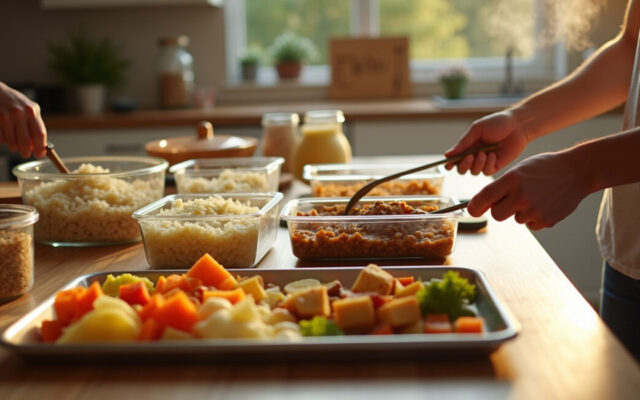
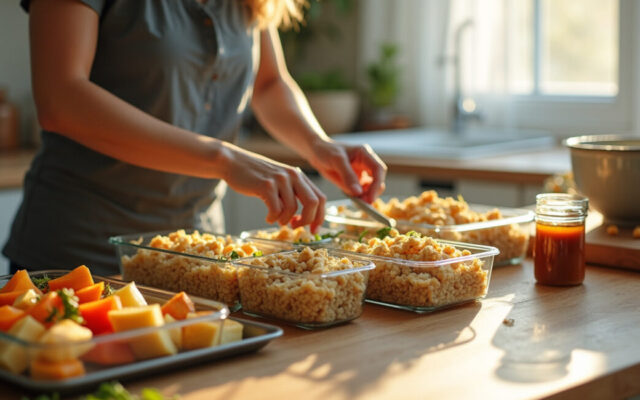
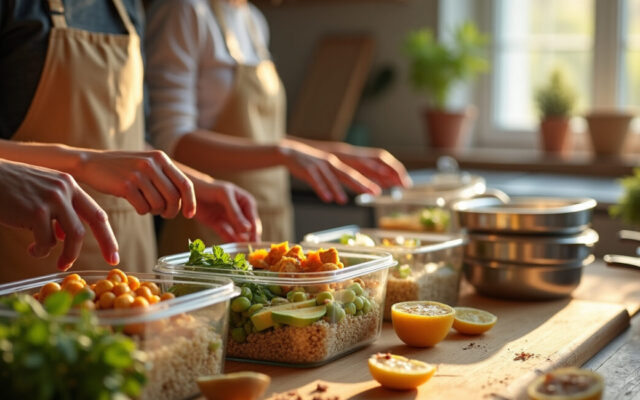
On Sunday night, one common setup is roasted tofu in one container, quinoa in another, chopped cucumber and bell pepper in a third, and tahini-lemon sauce in a small jar. On Monday lunch, everything tastes fresh because nothing spent two days sitting in the same dressing. That simple separation often makes the difference between a meal you look forward to and one you push around the plate.
How to Store Sauces, Dressings, and Dressable Components Separately
Yes, sauces should usually be stored separately from the rest of the meal prep. This is one of the most important sauce storage tips because dressings, salsas, chutneys, and creamy blends change the texture of grains and vegetables fast. If you want a bowl to taste freshly assembled on day three, keep the wet pieces apart until eating time.
What Belongs in a Separate Container
- Tahini dressings and vinaigrettes
- Hummus thinned for drizzling
- Tomato-based sauces
- Fermented toppings like kimchi
- Pickled onions and relish-style add-ons
Some sauces tolerate fridge meal prep better than others. Thick, acidic sauces usually hold up well for several days, while creamy herb dressings can separate and need a shake before use. Nut-based sauces often thicken in the cold, so a small amount of water or lemon juice can bring them back before serving.
Best Storage Habits for Dressings
Use smaller containers than you think you need, because extra air speeds flavor loss. Keep acidic dressings tightly sealed, and never pour sauce back into the original jar after it has touched food. That habit seems harmless, but it can shorten shelf life by introducing crumbs and moisture.
Meal prep only tastes “fresh” when sauce is added at the last minute; once a grain bowl is dressed, the clock on texture starts ticking fast.
Fridge Vs. Freezer: When to Refrigerate and When to Freeze
Use the fridge for meals you will eat within three to four days, and use the freezer for everything you want to keep longer than that. That rule is practical, safe, and easy to follow for most plant-based meal prep. It also helps you decide whether you are doing fridge meal prep for the week or freezer meal prep for later.
What Belongs in the Fridge
Keep cooked grains, roasted vegetables, tofu, tempeh, bean salads, and most sauces in the refrigerator if you plan to eat them soon. Fresh greens and cut vegetables should also stay refrigerated, but they need dry storage and protection from crushed or wet ingredients. The refrigerator is where texture is preserved best over a short window.
What Freezes Best
Grains, cooked beans, lentils, chili-style stews, soups, curries, and many roasted vegetable mixes freeze well. Tofu can freeze, too; the texture changes and becomes more porous, which some people actually prefer in marinades and saucy dishes. Leafy salads, cucumbers, and raw tomatoes do not freeze well because their cell structure breaks down.
The USDA FoodKeeper App is useful for checking storage timeframes and reducing food waste when you are not sure how long a specific ingredient will last. It is a better reference than guessing based on smell alone.
One Important Limit to Know
Freezing is great for safety and shelf life, but it does not preserve every texture. That matters for raw vegetables, avocado, and crisp toppings. There is no need to freeze food that will be eaten in two days, and there is no benefit in refrigerating food so long that its quality collapses. The best method depends on how soon you will actually eat it.
Food Safety, Shelf Life, and Reheating Tips for Meal Prep
For most plant-based meal prep, the fridge shelf life is 3 to 4 days when food is cooled properly and kept at 40°F or below. Some items may last a bit longer, but that window is the safest practical target. Reheating should bring the food to steaming hot throughout, especially for grains, beans, and tofu-based meals.
Cooling Rules That Protect Shelf Life
Do not let cooked food sit at room temperature for hours. Move it into shallow containers, refrigerate promptly, and avoid stacking hot containers on top of one another. Warm food trapped in a sealed tub is one of the fastest ways to create condensation and shorten meal prep shelf life.
Reheating Without Ruining Texture
- Add a tablespoon of water to grains before microwaving.
- Cover loosely so steam can rehydrate dry spots without trapping too much moisture.
- Reheat vegetables separately when possible, especially delicate ones.
- Stir halfway through for even heating.
For safety standards and cold-holding basics, the CDC food safety guidance is a solid reference. It reinforces the core point: temperature control matters, but so does time. Food that is handled well on day one usually keeps better than food that is “saved” after sitting out too long.
Common Storage Mistakes That Make Plant-Based Meal Prep Go Bad Faster
Mixing Everything Too Early
This is the most common mistake. A grain bowl that looks organized on Sunday often becomes soft and tired by Tuesday if the sauce, grains, and vegetables all sit together. Separate storage is not fussy; it is the reason the food still tastes like food later in the week.
Cooling Food in Large, Deep Piles
Food in a big mound traps heat. That slows cooling and creates more condensation, which can lead to limp vegetables and shorter shelf life. Shallow containers are not glamorous, but they work.
Using the Wrong Lid or Container Size
A container that is too large leaves extra air inside. One that is too small crushes the ingredients. Either problem hurts freshness, and both make reheating less even.
Ignoring Produce-specific Needs
There is a difference between storing kale, cucumbers, and roasted cauliflower. A single approach does not fit all three. That is where a lot of meal prep storage advice falls apart: it talks about containers without talking about food behavior.
If you want to pair this storage system with other low-waste habits, natural home freshness ideas can help keep the kitchen environment cleaner and less stale between prep days.
What to Do Next
The smartest move is to build one repeatable storage system and use it every week. Start by separating sauces from solids, cooling grains in shallow containers, and giving vegetables their own dry space. Once that becomes routine, plant-based meal prep turns easier to manage, cheaper to maintain, and far less wasteful.
For your next prep session, test one change only: store your dressing separately for the whole week and compare the difference in texture on day three. That one adjustment usually shows why better storage matters more than fancier recipes.
Frequently Asked Questions
How Long Can Plant-based Meal Prep Last in the Fridge?
Most plant-based meal prep lasts 3 to 4 days in the fridge when it is cooled quickly, stored in airtight containers, and kept at 40°F or below. Some sturdy items, like cooked grains and beans, may hold up a little longer in quality terms, but 3 to 4 days is the safest practical target. Delicate vegetables and dressed bowls usually decline faster, even if they are still technically safe.
What’s the Best Way to Store Cooked Grains Like Rice, Quinoa, and Farro?
The best method is to cool them quickly, spread them into shallow containers, and seal them once the steam is gone. Rice, quinoa, and farro all store well this way, but they reheat best when you add a small splash of water. If you need longer storage, freeze them in meal-sized portions so they thaw and heat evenly later.
How Do You Keep Vegetables from Getting Soggy or Losing Texture?
Keep vegetables dry, cool, and separated by type. Roast vegetables should cool before sealing, while fresh-cut vegetables benefit from a paper towel in the container to absorb extra moisture. Do not dress salads or mix watery ingredients too early. Once moisture gets into the container, crispness drops fast, even if the food is still safe to eat.
Should Sauces Be Stored Separately from the REST of the Meal Prep?
Yes, in most cases they should. Storing sauces separately keeps grains from turning soft and vegetables from becoming watery before you are ready to eat. It also helps dressings keep their flavor and makes portioning easier during the week. The main exception is a meal that is meant to be eaten immediately after prep, where texture changes are less of a concern.
Can You Freeze Plant-based Meal Prep, and What Foods Freeze Best?
Yes, you can freeze many plant-based meal prep components, and some freeze extremely well. Cooked grains, beans, lentils, soups, curries, and tofu-based dishes are usually strong candidates. Raw greens, cucumbers, and creamy toppings are poor freezer choices because their texture breaks down. Freeze the foods that reheat well, and keep the fresh, crisp pieces in the fridge instead.