Skip to content

A lunch can look “healthy” and still leave you hungry an hour later. The difference with high protein vegan meal prep lunches is not just the protein number on paper; it’s the mix of protein, fiber, fat, and texture that keeps energy steady through a workday. This guide gives you repeatable formulas, the best plant-based protein sources, storage tips, and a 5-day prep plan that actually holds up.
If you’ve been stuck in the loop of salad, hummus, and a snack drawer emergency, the fix is not more willpower. It’s building vegan lunch meal prep around ingredients that stay sturdy, reheat well, and taste good cold or warm. That usually means legumes, tofu, tempeh, seitan, edamame, whole grains, and sauces added at the right time.
Quick Summary
- A truly filling vegan lunch usually needs at least one concentrated protein source, one slow-digesting carb, and one fat source to keep hunger down between meals.
- The most reliable meal prep proteins are tofu, tempeh, seitan, lentils, chickpeas, edamame, soy yogurt, and textured vegetable protein (TVP).
- Meal prep bowls, wraps, grain salads, and chili-style lunches survive the fridge better than delicate greens or watery vegetables.
- The easiest way to avoid boredom is to prep one base, two protein options, and two sauces instead of cooking five unrelated lunches.
- Most make-ahead vegan lunches stay fresh for 3 to 5 days in the refrigerator when cooled fast and stored in airtight containers.
What Makes High-Protein Vegan Meal Prep Lunches Actually Filling
High-protein vegan meal prep lunches are lunches that deliver enough digestible protein per serving to support satiety, muscle maintenance, and stable energy, usually alongside fiber-rich carbs and a little fat. In practical terms, a lunch that lands around 25 to 35 grams of protein for many adults tends to feel much more “complete” than a carb-heavy bowl with a token sprinkle of beans.
Protein is Only Part of the Equation
The meal has to hold up in real life. A bowl with 30 grams of protein can still disappoint if it’s dry, overly bland, or overloaded with watery vegetables that wilt by Wednesday. The more reliable approach is to pair protein with structure: grains for heft, roasted vegetables for texture, and a sauce that can be packed separately.
What separates a filling vegan lunch from a forgettable one is not the label “healthy” — it’s the combination of protein density, fiber, and texture that survives storage and reheating.
Why Vegan Lunches Fail by Mid-Afternoon
Most failures come from one of three problems: too little protein, too little total food volume, or ingredients that break down in the fridge. A leafy salad with beans can look generous, but it often disappears fast because it’s not dense enough. On the other hand, a grain bowl with tofu, chickpeas, and a tahini-based sauce usually keeps you satisfied much longer.
For a broader healthy-home workflow that supports meal prep and storage habits, it helps to keep your kitchen organized and low-waste. Articles like green cleaning tips for a healthier home can help create a calmer prep routine, which sounds small until you’re packing lunches before work.
Best Plant-Based Protein Sources for Meal Prep Lunches
The best vegan protein sources for lunch are the ones that stay tasty after refrigeration, absorb seasoning well, and don’t turn mushy. For vegan meal prep lunches, that means soy foods, legumes, wheat-based proteins, and a few convenience ingredients that save time without lowering quality.
The Most Reliable Options
- Tofu: Best for bowls, stir-fries, and sheet-pan meals; extra-firm tofu can be pressed, baked, or pan-seared.
- Tempeh: Nutty, sturdy, and excellent for make-ahead slices, crumbles, and tacos.
- Seitan: Very high in protein and ideal when you want a meatier texture in wraps or sandwiches.
- Lentils and chickpeas: Cheap, durable, and easy to batch cook for grain bowls and salads.
- Edamame and TVP: Fast, flexible, and useful when you need extra protein without more cooking time.
What to Use When You Need Convenience
For busy professionals, convenience matters as much as nutrition. Soy yogurt can power a sauce or dip, canned beans cut prep time, and frozen edamame eliminates extra chopping. A solid vegan lunch meal prep strategy uses at least one from-scratch item and one shortcut item so the food stays interesting without becoming a second job.
According to the USDA Agricultural Research Service and FoodData Central, soy foods, legumes, and wheat-based proteins are among the most useful staples for building higher-protein plant-based meals because they deliver meaningful protein per calorie and adapt well to batch cooking.

High-Protein Vegan Meal Prep Lunch Formulas You Can Repeat All Week
The easiest formula for plant-based meal prep lunches is: protein + grain or starch + vegetables + sauce. That template works because it is modular, and modular meals are easier to repeat without getting bored. It also makes grocery shopping faster, since you can mix and match instead of planning five separate recipes.
Formula 1: Grain Bowl
Start with brown rice, quinoa, farro, or couscous, then add roasted tofu or chickpeas, plus vegetables like broccoli, peppers, carrots, or zucchini. Finish with a bold sauce such as tahini lemon, peanut-ginger, or chimichurri. This formula reheats well and holds up for several days.
Formula 2: Wrap or Sandwich Box
Use seitan slices, tempeh, or mashed chickpeas with a thick spread. Keep wet ingredients like tomatoes and pickles separate until lunchtime. This is one of the easiest vegan lunch meal prep options when you want something portable and fast.
Formula 3: Chili, Stew, or Pasta Salad
Lentil chili, white bean stew, and chickpea pasta salad all scale well for batch cooking. They are also forgiving if you slightly overcook the vegetables. For a work lunch, that flexibility matters more than fancy presentation.
A good meal prep formula should be boring in structure and flexible in flavor. That is how you get consistency without eating the same lunch in the same way every day.
6 Easy Workday Lunch Ideas That Actually Hold Up
These vegan high protein recipes are built for the fridge, not for a restaurant photo. Each one can be portioned into containers, refrigerated, and eaten within a few days without falling apart.
1. Tofu Quinoa Power Bowl
Roasted tofu, quinoa, broccoli, and shredded carrots with sesame-tahini dressing. It tastes good warm or cold, and the quinoa keeps the bowl from feeling too light.
2. Tempeh Burrito Bowl
Tempeh crumbles, black beans, brown rice, salsa, corn, and avocado added fresh on the day you eat it. The beans and tempeh create a stronger protein base than a standard rice bowl.
3. Lentil Pasta Salad
Use lentil pasta, cucumber, roasted peppers, olives, spinach, and a lemon-herb vinaigrette. This is a strong choice when you want healthy vegan lunches for work that don’t need reheating.
4. Chickpea Salad Wrap Kit
Mash chickpeas with mustard, celery, dill, and a little vegan mayo. Store it separately from the wraps so the bread stays intact.
5. Seitan Stir-Fry Box
Seitan strips, jasmine rice, snap peas, and carrots with a soy-ginger sauce. It’s the closest thing to a traditional hot lunch without relying on animal protein.
6. Red Lentil Curry with Rice
Red lentils cook quickly, and the curry thickens in the fridge, which makes leftovers even better. Add spinach near the end so it doesn’t turn dull and overcooked.
For prep containers, labels, and storage habits that make the whole system less chaotic, a few habits borrowed from an affordable zero-waste routine and cheap reusable essentials can make a surprising difference. The win is not the aesthetic; it’s that you stop throwing out food you forgot you had.
How to Meal Prep and Store Lunches So They Stay Fresh
Most meal prep problems are storage problems in disguise. If you cool food too slowly, pack sauces too early, or stack wet ingredients on top of dry ones, even a good recipe gets soggy or dull by day three. The fix is a simple workflow: cool, portion, separate, and refrigerate quickly.
How Long They Last in the Fridge
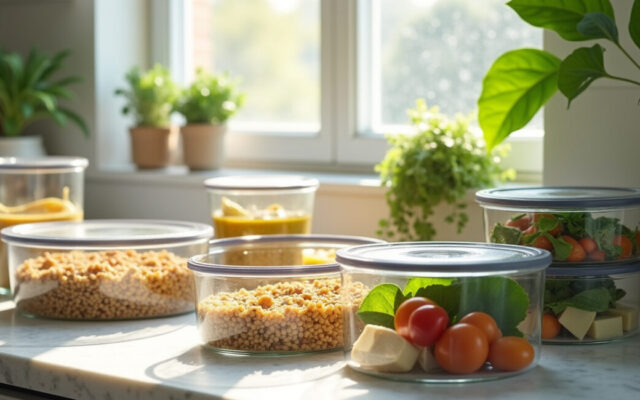
For most cooked vegan lunches, 3 to 5 days in the refrigerator is the practical window if you store them properly in airtight containers. Cooked grains, tofu, tempeh, beans, and roasted vegetables usually fit that range. If a lunch contains delicate greens, avocado, or a very watery sauce, shorten that window or pack those items separately.
How to Avoid Sogginess
- Keep sauces in small containers until mealtime.
- Put grains or greens on the bottom only if they can absorb moisture without collapsing.
- Roast vegetables instead of steaming them when you want better texture.
- Let hot food cool before sealing the lid, or condensation will wreck the texture.
The FDA’s safe food handling guidance and the CDC food safety pages both support the same basic rule: keep cooked food out of the danger zone, refrigerate it promptly, and use clean containers. That matters even more when you’re relying on lunch for several workdays in a row.
A Realistic 20-Minute Prep Habit
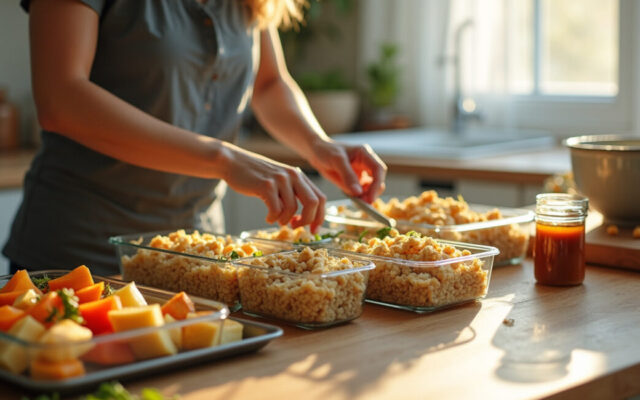
One week, I watched a friend go from ordering lunch every day to packing four days in a row by changing one habit: she cooked one grain, one protein, and one sauce every Sunday night. Nothing fancy. But once she stopped trying to make five different recipes, her lunches became cheaper, higher in protein, and far more consistent.
How to Hit Protein Targets Without Losing Flavor or Variety
Flavor and protein do not have to fight each other. The mistake is treating protein as the “boring” part of the meal and seasoning it lightly. Tofu, tempeh, seitan, beans, and TVP all improve when you marinate, toast, or braise them with enough salt, acid, and aromatics.
Use Flavor Layers, Not Just Sauce
Good lunches usually have three flavor layers: a seasoning base during cooking, a finishing sauce, and one fresh element at the end. For example, roasted chickpeas with cumin, a yogurt-free tahini drizzle, and a handful of herbs taste far better than plain chickpeas with dressing poured on top.
Simple Ways to Increase Protein Without Rebuilding the Meal
- Add edamame to grain bowls and salads.
- Swap white rice for quinoa when you want a small protein bump.
- Mix TVP into sauces, chili, or taco filling.
- Use soy yogurt or blended white beans to thicken dressings.
- Choose seitan or tempeh when a recipe needs a stronger protein anchor.
There is one limit worth naming: not every person needs the same protein target, and not every lunch has to carry the full day’s protein load. Activity level, total daily intake, and appetite matter. A lunch that works for a lifting schedule may be too heavy for someone who eats a large breakfast, so adjust instead of copying numbers blindly.
Quick Grocery List and 5-Day Prep Plan for a Lunch Reset
A five-day lunch reset works best when you shop from a short list and repeat components on purpose. Buy one grain, two proteins, three vegetables, one bean, and one sauce base. That gives you enough variety to avoid boredom without creating extra prep work.
Grocery List
- Protein: extra-firm tofu, tempeh, chickpeas, lentils, edamame, seitan, or TVP
- Grains/starches: quinoa, brown rice, farro, whole-grain wraps, or pasta
- Vegetables: broccoli, bell peppers, carrots, spinach, cucumbers, zucchini
- Flavor builders: tahini, soy sauce, lemon, garlic, mustard, salsa, vinegar
- Extras: nuts, seeds, herbs, avocado, vegan mayo, nutritional yeast
5-Day Workflow
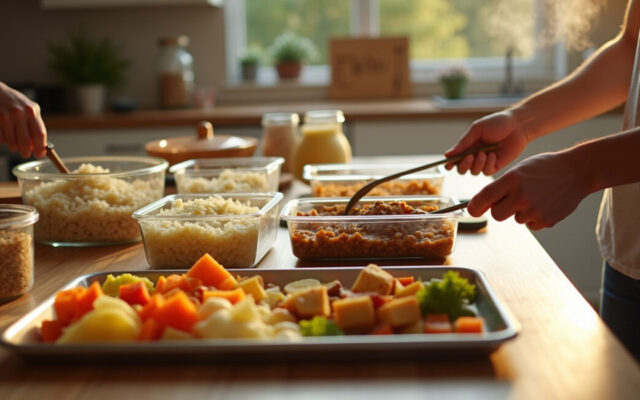
- Cook one grain in a large batch.
- Prepare two proteins, such as tofu and lentils.
- Roast or sauté two to three vegetables.
- Mix one thick sauce and one backup sauce.
- Portion lunches into containers and keep wet toppings separate.
That structure gives you repeatable vegan lunch meal prep without locking you into identical meals every day. If you want to make the reset even easier, pair it with a pantry and fridge cleanup system like the kind used in a simple non-toxic cleaning routine or natural air fresheners for healthy homes so your food storage area stays clean, neutral, and easy to use.
Próximos passos: Pick two protein sources, one grain, and two sauces, then batch-cook them this weekend. Build the same lunch formula for five days, change only the seasoning or sauce, and track which version keeps you full longest. That’s the fastest way to turn meal prep ideas for work into a system you’ll actually repeat.
Frequently Asked Questions
How Do You Get Enough Protein in Vegan Meal Prep Lunches?
Start with a concentrated protein source in every container, not just vegetables and grains. Tofu, tempeh, seitan, lentils, chickpeas, edamame, and TVP are all strong options because they add real protein without making the meal overly complicated. For most people, combining one main protein with beans or whole grains is enough to make lunch satisfying and stable through the afternoon.
What Vegan Foods Are Highest in Protein for Lunch?
Seitan, tempeh, extra-firm tofu, TVP, lentils, chickpeas, and edamame are the most practical high-protein vegan lunch foods. They are easy to batch cook, season well, and hold up in the fridge better than fragile ingredients. If you want the strongest protein density, seitan and TVP usually stand out, while lentils and chickpeas win on price and flexibility.
How Long Do Meal Prep Vegan Lunches Last in the Fridge?
Most cooked vegan meal prep lunches last 3 to 5 days in the refrigerator when stored in airtight containers and cooled promptly after cooking. Grain bowls, chili, roasted vegetables, tofu, tempeh, and lentils usually stay in good shape within that range. Foods with lots of water, like tomatoes, cucumber, avocado, and some dressings, should be packed separately or added right before eating.
How Do You Keep Meal Prep Lunches from Getting Soggy?
The key is to separate moisture from structure until the meal is eaten. Store sauces in small containers, keep wet ingredients away from bread or greens, and let cooked food cool before sealing it. Roasted vegetables tend to hold up better than steamed ones, and grain bowls do better than salads when you need several days of storage. Texture is usually what decides whether a lunch still feels fresh on day four.
What Are the Easiest High-protein Vegan Lunches for Busy Workweeks?
The easiest options are grain bowls, wraps with a thick filling, lentil pasta salad, chili, and rice bowls with tofu or tempeh. These meals are forgiving, scale well, and stay edible for several days without much fuss. If your schedule is packed, choose one base recipe and vary the sauce or topping so you keep the prep simple while avoiding boredom.