Skip to content

Cheap vegan meal prep works best when you lean on a few repeatable staples—beans, lentils, rice, oats, potatoes, frozen vegetables, tofu, and seasonal produce—then cook once and remix the parts all week. The real goal of budget friendly vegan meal prep ideas is not fancy recipes; it is filling, low-cost meals that hold up in the fridge, reheat well, and waste less food.
That matters because a plant-based week can be very affordable or surprisingly expensive, depending on how you shop. If you skip specialty meat substitutes and build around bulk ingredients, you can keep costs down without eating bland food. The sections below focus on practical vegan meal prep for beginners, with meals that are cheap, high in protein, and realistic for a busy week.
In a Nutshell
- The cheapest vegan meal prep usually starts with beans, lentils, rice, oats, pasta, potatoes, cabbage, carrots, onions, and frozen vegetables.
- High-protein vegan meals do not require expensive products; tofu, lentils, chickpeas, peanut butter, and soy milk cover most needs for a budget week.
- Cooking one base grain, one protein, and two vegetables gives you mix-and-match meals that stay interesting longer than a single recipe batch.
- The fastest way to cut waste is to plan meals around ingredients that overlap, then freeze extra portions before they spoil.
- A good vegan meal prep plan saves money only if the food gets eaten, so storage, reheating, and portion size matter as much as the recipe itself.
How to Build Budget-Friendly Vegan Meal Prep Ideas That Actually Work
Budget meal prep is a systems problem: choose low-cost ingredients, batch-cook them once, and combine them in different ways across the week. In practice, the best budget vegan meal prep plans use one grain, one legume, one versatile protein, and a few vegetables that can be eaten hot or cold.
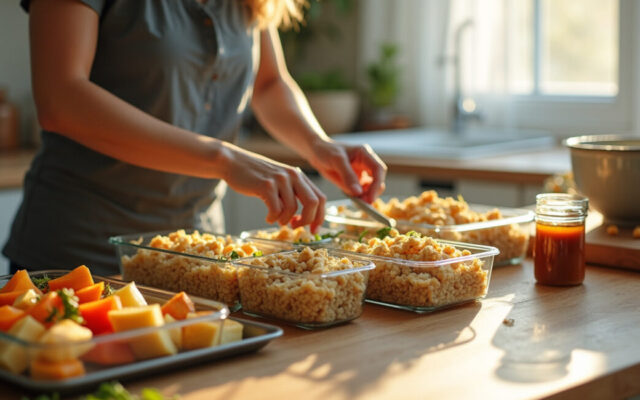
The simplest framework is this: cook a pot of rice or quinoa, roast a tray of vegetables, make one bean-based dish, and prep a sauce or dressing. Then rotate the components into bowls, wraps, soups, or salads. That keeps cheap vegan meals for the week from feeling repetitive, which is usually where people quit.
If you want a practical middle ground between taste and cost, think in terms of anchors. Rice, lentils, and frozen broccoli can become a curry; oats, peanut butter, and bananas become breakfast; chickpeas and cabbage become wraps or salads. For a broader home budget mindset, this approach pairs well with simple low-waste routines that reduce unnecessary spending in other parts of the house too.
The cheapest vegan meal prep strategy is not about making one perfect recipe; it is about buying ingredients that can appear in two or three different meals before they spoil.
Use a 1-2-2 Formula
One grain, two proteins, and two vegetables is a strong starter formula for vegan meal prep on a budget. For example, rice plus lentils and tofu, with cabbage and carrots, can turn into bowls, stir-fries, soup, and wraps. That structure is flexible enough for beginners, but tight enough to keep spending under control.
When shopping, I prefer ingredients that overlap in texture and storage life. Cabbage lasts longer than spinach, dry lentils cook faster than many beans, and potatoes can replace a second side dish without adding much cost. That is the difference between a meal prep plan that looks good on paper and one that survives Thursday night.
Cheapest Plant-Based Staples to Buy in Bulk
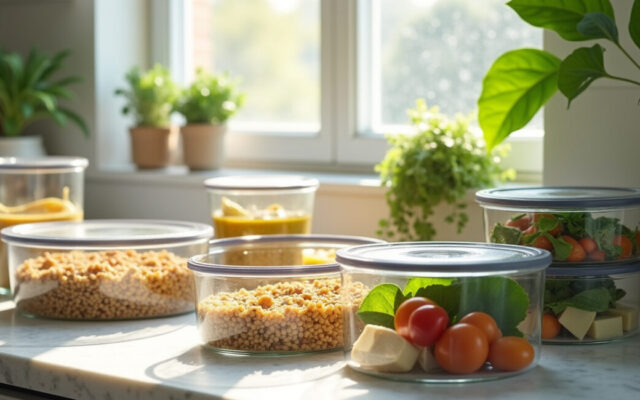
The cheapest plant-based staples are the foods that stretch across multiple meals and store well. Dry beans, lentils, rice, oats, pasta, potatoes, onions, carrots, cabbage, peanut butter, canned tomatoes, and frozen vegetables usually give the best cost-to-satiety ratio in a budget-friendly vegan kitchen.
Bulk Staples That Stretch the Furthest
- Dry lentils: fast-cooking, high in protein, and easy to season in many directions.
- Rice and oats: cheap, filling, and useful for both savory and sweet meals.
- Canned beans and chickpeas: ideal when you need convenience more than the absolute lowest price.
- Potatoes and sweet potatoes: filling, versatile, and strong for batch roasting.
- Frozen vegetables: often cheaper than fresh out of season and easier to keep on hand.
Bulk buying helps most when the ingredients are actually part of your weekly rotation. A five-pound bag of rice only saves money if you eat rice often enough to finish it before it goes stale. For trusted nutrition guidance on plant-based eating patterns, Harvard T.H. Chan School of Public Health offers a clear overview of how to build a balanced vegan diet without overcomplicating it.
What to Skip If You Want to Save Money
Skip overpriced faux meats, premade vegan bowls, specialty snacks, and niche “superfood” add-ons if your goal is cheap vegan meal prep. Those foods are fine occasionally, but they are not the foundation of a budget plan. The cheapest path is usually the least glamorous one: dry goods, fresh basics, and a few sauces that make the food taste complete.
There is a limit, though. If you truly hate cooking beans from scratch, canned beans may be the better choice even if they cost a little more per serving. Saving time can still be a smart budget move when it prevents takeaway or food waste.

7 Affordable Vegan Meal Prep Ideas for the Week
These meals are built for batch cooking, low cost, and easy reheating. They are not restaurant-style dishes; they are the kind of affordable vegan meal prep that keeps lunch and dinner covered without turning your kitchen into a project.
1. Lentil Chili with Rice
Cook lentils with canned tomatoes, onion, garlic, chili powder, and cumin, then serve over rice. This is one of the best cheap vegan meals for the week because lentils are inexpensive, filling, and strong in protein. It also freezes well, which makes it useful when you want to prep ahead for more than five days.
2. Chickpea Curry with Frozen Vegetables
Use canned chickpeas, coconut milk if the budget allows, curry powder, and frozen mixed vegetables. If you want to keep it even cheaper, skip the coconut milk and use tomato sauce plus a little peanut butter for body. Serve with rice or potatoes for a meal that feels richer than it costs.
3. Tofu Veggie Stir-Fry
Press and pan-sear tofu, then toss it with cabbage, carrots, and a simple soy sauce-ginger-garlic mix. This is one of the easiest high protein vegan meal prep options because tofu absorbs flavor quickly and reheats well. It also works with noodles, rice, or even leftover potatoes.
4. Overnight Oats with Peanut Butter and Fruit
Overnight oats are cheap, fast, and dependable for breakfast prep. Combine oats, soy milk or any plant milk you buy regularly, peanut butter, chia seeds if budget allows, and a banana or frozen berries. This is one of those meals that looks plain until you realize it keeps you full for hours.
5. Black Bean Burrito Bowls
Use rice, black beans, corn, salsa, shredded lettuce or cabbage, and a simple lime dressing. Burrito bowls are great because every component can be swapped based on what is on sale. If avocados are too expensive, skip them and add roasted potatoes or extra beans instead.
6. Pasta with White Beans and Tomato Sauce
Cook pasta, then mix it with garlic, canned tomatoes, white beans, and spinach or kale. White beans make the sauce creamy without dairy, and the whole dish is inexpensive enough for repeated lunches. It is also one of the easiest vegan meal prep for beginners recipes because there is very little that can go wrong.
7. Roasted Potato and Cabbage Sheet Pan Meals
Roast potatoes, cabbage wedges, onions, and carrots with oil, salt, pepper, and smoked paprika. Add chickpeas or tofu if you want more protein. This kind of tray meal is low effort, stores well, and gives you a base for bowls, wraps, or side plates all week.
The most filling budget vegan meals usually combine starch, protein, and fiber in one container; that is why lentils, potatoes, beans, oats, and cabbage keep showing up in the best meal prep plans.
High-Protein Budget Vegan Ingredients That Keep You Full
If you want meal prep that actually holds you until the next meal, protein and fiber need to show up together. The best high protein vegan meal prep ingredients are not exotic. They are tofu, tempeh when affordable, lentils, chickpeas, black beans, edamame, soy milk, peanut butter, and whole grains like oats and brown rice.
| Ingredient | Why It Works | Budget Use |
|---|---|---|
| Lentils | Cook fast and absorb flavor well | Soups, chili, bowls, taco filling |
| Tofu | Versatile, high in protein, easy to season | Stir-fries, wraps, baked meal prep trays |
| Beans | Cheap, filling, and shelf-stable | Burrito bowls, stews, salads, pasta |
| Oats | Strong satiety for breakfast | Overnight oats, baked oats, savory oats |
For food-safety and storage basics, the U.S. Food and Drug Administration’s food safety guidance is worth following when you batch-cook grain bowls, beans, and cooked vegetables. A cheap meal is not a good deal if it spoils before you eat it.
There is one nuance people miss: not every “protein-rich” vegan ingredient is budget-friendly in every store. Tempeh can be excellent, but tofu and lentils usually win on price. If a product is trendy and expensive where you live, ignore the trend and buy the cheaper staple that you will actually finish.
How to Prep Once and Mix-and-Match Meals
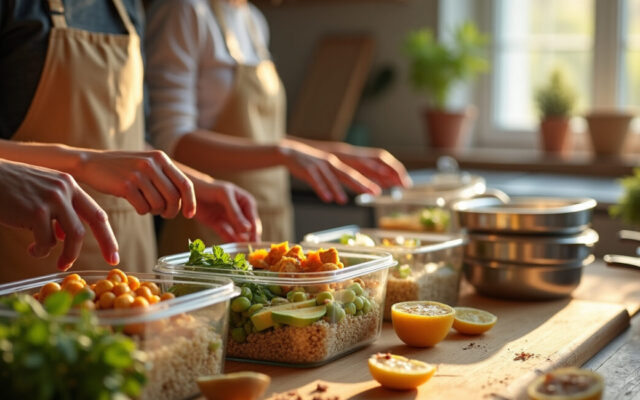
Mix-and-match meal prep means cooking components, not complete meals, so you can combine them in different ways later. That gives you more variety from the same shopping list and helps you avoid eating the same container for five straight days. It is one of the best methods for meal prep on a budget because it reduces both waste and boredom.
Build Three Base Components
- One starch: rice, potatoes, pasta, or oats.
- One protein: lentils, beans, tofu, or chickpeas.
- Two flavor builders: sauce, salsa, dressing, or spice mix.
With those parts, a single prep session becomes several meals. Rice and lentils can become a curry bowl on Monday, a burrito filling on Tuesday, and a soup base on Wednesday. That is why easy vegan meal prep works best when you think like a builder instead of a recipe follower.
A small example from real life: one Sunday prep can turn into four distinct lunches with almost no extra work. Roast a tray of potatoes and cabbage, cook lentils, and mix two sauces—one tahini-lemon and one tomato-chili. By Wednesday, the same ingredients can feel like a completely different set of meals.
The goal of mix-and-match prep is not to make every meal identical in cost; it is to make every meal cheaper than ordering food because the ingredients are already cooked and ready.
Money-Saving Meal Prep Tips to Reduce Food Waste
Food waste is where a lot of budget meal prep quietly fails. You buy a bunch of ingredients, cook part of them, then throw out wilted greens or half-used herbs. The fix is to shop with a short list, choose overlapping ingredients, and freeze anything you will not eat within three or four days.
Practical Waste-Cutting Habits
- Plan meals around two or three shared ingredients instead of chasing variety at the store.
- Buy frozen vegetables when fresh produce will not last the week.
- Use leftover cooked grains in soups, salads, and skillet meals.
- Freeze extra portions in single servings before fridge fatigue sets in.
- Keep one “clear-the-fridge” meal each week for odds and ends.
The U.S. Department of Agriculture’s food loss and waste resources are useful if you want to understand why portion planning matters. For home cooks, the lesson is simple: a little structure prevents a lot of waste. If you only use half a bunch of herbs, the second half is not savings.
For a home that already runs on lower-waste habits, this mindset carries over nicely into other routines too, like keeping the kitchen simple with inexpensive homemade cleaners and storing food in a cleaner, more organized space. When the fridge is visible and organized, people tend to eat what they bought.
Sample 5-Day Budget Vegan Meal Prep Plan
This five-day plan is built around repetition with enough variation to keep it usable. It assumes you batch-cook on one day, then remix the ingredients into lunches and dinners. The shopping list is intentionally basic: rice, oats, lentils, tofu, beans, potatoes, cabbage, carrots, onions, frozen vegetables, peanut butter, salsa, and canned tomatoes.
| Day | Lunch | Dinner |
|---|---|---|
| Monday | Lentil chili with rice | Tofu stir-fry with cabbage |
| Tuesday | Black bean burrito bowl | Roasted potatoes with chickpeas |
| Wednesday | Chickpea curry with rice | Pasta with white beans and tomato sauce |
| Thursday | Tofu rice bowl with vegetables | Potato-cabbage sheet pan leftovers |
| Friday | Pasta leftovers or bean salad | Clear-the-fridge soup or stir-fry |
If you want to make this plan even cheaper, keep breakfast simple: overnight oats for three mornings and toast with peanut butter on the other two. That gives you predictable costs and fewer impulse purchases. For a plant-based grocery routine, Harvard Health Publishing also has practical nutrition guidance that helps you stay balanced without buying expensive supplements or packaged foods you do not need.
What to Do Next
The smartest budget-first vegan plan is the one you can repeat without dreading it. Start with three meals, not seven, and build confidence around ingredients you already know you like. If a recipe uses too many special items, it is probably not a real budget recipe for most homes.
Pick one cooking day this week, choose one protein, one grain, and two vegetables, then commit to using them in at least two different ways. That single habit does more for your food budget than chasing the newest recipe trend. If you want a practical next step, build your shopping list first, then shop from the list only.
Frequently Asked Questions
What Are the Cheapest Vegan Foods for Meal Prep?
The cheapest vegan foods for meal prep are usually dry lentils, beans, rice, oats, potatoes, cabbage, carrots, onions, and frozen vegetables. These ingredients are low cost, filling, and easy to turn into multiple meals. Peanut butter, canned tomatoes, and tofu also offer strong value when you use them across several dishes. The main advantage is flexibility: one purchase can cover breakfast, lunch, or dinner without requiring specialty products.
How Do You Meal Prep Vegan Meals on a Tight Budget?
Meal prep vegan meals on a tight budget by buying a short list of overlapping staples, cooking them in batches, and remixing them through the week. Focus on one starch, one protein, and a few vegetables instead of making separate recipes for every meal. Frozen vegetables, canned beans, and simple sauces help a lot because they reduce prep time and waste. The less you rely on novelty ingredients, the easier it is to stay within budget.
What Vegan Meal Prep Ideas Are Filling and High in Protein?
The most filling high protein vegan meal prep ideas usually combine legumes or tofu with a whole grain and a fiber-rich vegetable. Lentil chili, tofu stir-fry, black bean burrito bowls, chickpea curry, and pasta with white beans are all strong options. They keep you fuller because they combine protein, starch, and fiber in one meal. If you are still hungry, increase the bean or tofu portion before adding more expensive extras.
How Can I Keep Vegan Meal Prep from Getting Boring?
Keep vegan meal prep from getting boring by changing the flavor profile, not the entire shopping list. A rice bowl can taste completely different with salsa, curry sauce, soy-ginger sauce, or lemon-tahini dressing. You can also vary the texture by roasting one batch of vegetables and sautéing another. This approach keeps the budget low because the base ingredients stay the same while the meals feel new enough to eat all week.
How Do I Reduce Food Waste When Meal Prepping on a Budget?
Reduce food waste by planning meals around ingredients that appear in more than one recipe and by freezing extra portions early. Buy produce with a longer shelf life, like cabbage and carrots, or use frozen vegetables when you know the week will be busy. Label containers by date so the oldest food gets eaten first. A small amount of planning prevents the expensive mistake of throwing away food you already paid for.