Skip to content

Some reusable kitchen products that save money look pricey until you compare them with a year of paper towels, foil, and cling wrap.
The weird part is that the winners are rarely the flashiest items. They’re the ones you forget are even there because they quietly replace the same disposable purchase again and again.
If you pick the right pieces, the savings show up faster than you’d expect—and the convenience does not disappear. It usually gets better.
The Hidden Math Behind Reusable Kitchen Products That Save Money
Here’s the technical idea first: payback period is the time it takes for an upfront purchase to equal the cost of the disposable items it replaces. In plain English, you spend more today so you can spend less every week after that.
That’s why reusable kitchen products that save money are not all equal. A $15 silicone bag that replaces a box of sandwich bags can pay for itself fast. A $40 stainless steel container only wins if you use it constantly. The trick is to stop thinking in sticker price and start thinking in “how many trips to the trash can does this item erase?”
And yes, this is where most people get misled. They buy the cheapest reusable version, hate the experience, and go right back to disposables. The best products are the ones you’ll actually use every day.
Reusable Kitchen Products That Save Money Fastest in Real Life
Some items cut waste so aggressively that the payback feels almost unfair. The fastest winners are usually the ones that replace products you buy in small amounts, over and over, without noticing.
- Silicone food bags — replace sandwich bags, freezer bags, and snack bags.
- Beeswax wraps — replace plastic wrap for bowls, cheese, and cut produce.
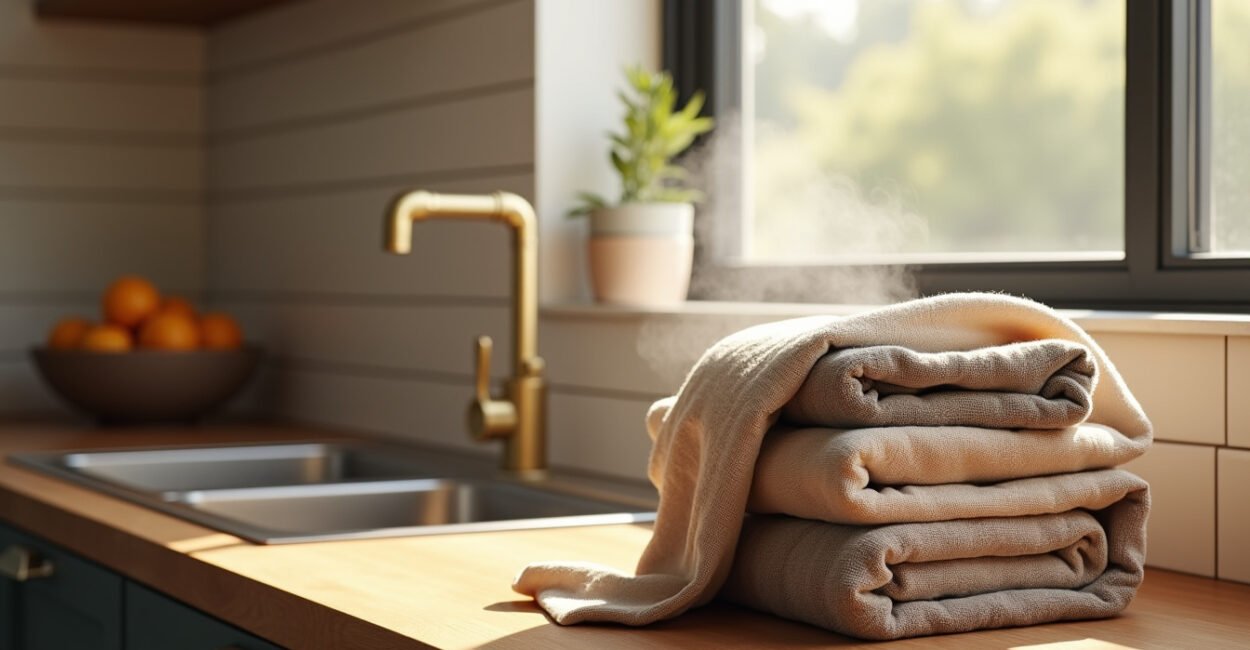
- Cloth towels and napkins — replace paper towels and paper napkins.
- Glass or stainless steel containers — replace takeout-style storage and single-use deli boxes.
- Refillable cleaning bottles — reduce the need for disposable spray bottles.
The fastest saver is not always the fanciest product; it’s the one you reach for without thinking. That’s why reusable kitchen products that save money work best when they match your habits instead of trying to change your personality.
There’s a reason cloth towels keep showing up in the “best buy” category year after year: they get used constantly. One roll of paper towels disappears in a flash. A stack of washable ones can keep going for months. And that leads straight into the part people usually ignore: what each item replaces in your actual weekly routine.

What to Replace First If You Want the Biggest Monthly Drop
Start with the disposables that leave your house the fastest. That’s where the savings feel real, because the replacement cycle is so visible.
In practice, the first three swaps are usually the easiest: paper towels, cling wrap, and sandwich bags. Those are the products you buy on autopilot. Replacing them with reusable kitchen products that save money lowers the “drip spending” that hides inside normal grocery trips.
Small recurring purchases are budget traps because they feel harmless. A $4 box here, a $7 refill there, and suddenly your kitchen is bleeding money in tiny, forgettable pieces.
Disposable spending is expensive because it never looks expensive.
If you want a fast win, don’t start with everything. Start with the stuff you throw away every day. That’s where the momentum comes from—and once you feel that shift, the next choice gets a lot easier.
The Comparison That Changes the Whole Decision: Cheap Now Vs. Cheap Later
The biggest myth is that reusable items are always the “eco” choice but not the budget choice. That’s only half true. Some are lifestyle purchases. Others are money-saving tools that happen to be better for the planet too.
| Item | Upfront Cost | What It Replaces | Why It Pays Off |
|---|---|---|---|
| Cloth towels | Low to medium | Paper towels | Used daily, washed and reused many times |
| Silicone bags | Medium | Zip-top bags | Stops endless repurchases for snacks and leftovers |
| Glass containers | Medium to high | Disposable storage and takeout containers | Lasts longer, seals better, and handles leftovers well |
| Beeswax wraps | Medium | Plastic wrap | Useful for bowls and produce, if you hand-wash them |
What matters is not just durability. It’s friction—how annoying the item is to clean, store, or use. A product that saves $30 a year but sits untouched in a drawer is not a savings tool. It’s clutter. That’s why reusable kitchen products that save money have to feel convenient, not virtuous.
The One Mistake That Kills the Savings
The fastest way to waste money is to buy a reusable product that does the job badly. Then you keep the disposable backup “just in case,” and now you own both.
- Buying sizes that do not fit your containers
- Choosing items that are hard to clean
- Ignoring storage space before buying
- Getting too many versions of the same tool
- Picking trendy products you won’t use weekly
Reusable kitchen products that save money only work when they replace something for real, not when they sit beside it. That’s the line most people cross without noticing.
Here’s the honest limit: this approach works best if you already cook at home a lot. If you eat out most days, the savings still exist, but they’ll be slower. That’s not a failure of the product. It’s just the math being honest.
The Mini-story That Explains Why People Get This Wrong
A friend of mine bought a set of fancy reusable storage lids and hated them by week two. They slipped, warped, and made every leftover feel like a small defeat. So the lids went to the back of the cabinet.
A month later, she switched to one boring thing: a set of stackable glass containers with real lids. Nothing glamorous. But they fit the fridge, sealed properly, and made lunch prep painless. The waste dropped. So did the number of emergency grocery runs for “just one more” disposable box.
The upgrade wasn’t more sustainable branding. It was fewer moments of annoyance. That’s the part people miss when they shop for reusable kitchen products that save money.
Who works with budgets for a living knows this pattern well: the winner is rarely the most exciting item. It’s the one that disappears into the routine and quietly saves you from buying the same thing again.
How to Choose the Products That Actually Earn Their Place
Before buying, ask one blunt question: what disposable item will this replace every single week?
If you can’t answer that in one sentence, skip it. The best reusable kitchen products that save money have a very clear enemy. They don’t “reduce waste” in a vague, inspirational way—they replace a purchase you already make.
Use this quick filter:
- Frequency: Will you use it at least 3 times a week?
- Replacement value: What disposable item does it erase?
- Cleaning burden: Will washing it feel easy or irritating?
- Storage: Does it fit your kitchen without becoming clutter?
- Durability: Will it survive real life for at least a year?
That’s where the second surprise comes in: the most expensive item on the shelf is not always the one that costs the most. The wrong cheap purchase can be more expensive because it gets abandoned. And that’s exactly why the next question matters—what does the long-term budget picture actually look like?
Why 2025 Makes These Savings Harder to Ignore
In 2025, people are paying more attention to “quiet costs” in the home: the little purchases that don’t feel like bills but act like bills anyway. Kitchen disposables are a perfect example. They vanish fast, and they rarely feel urgent until you add them up.
That’s why reusable kitchen products that save money are getting more attention now. You’re not just buying something durable. You’re buying fewer errands, fewer restocks, and fewer last-minute grocery add-ons that make your receipt look mysteriously larger.
There’s also more public discussion around household waste and material use. The U.S. Environmental Protection Agency’s recycling and waste guidance is a useful reminder that reduction and reuse matter upstream, before anything gets tossed. And the Consumer Reports coverage of food storage containers is a good example of how performance—not just price—determines whether a product earns a permanent spot in your kitchen.
The real savings come from fewer replacements, fewer throwaways, and fewer decisions. That’s a cleaner kitchen and a cleaner budget. Hard to argue with that.
FAQ
Which Reusable Kitchen Products Save Money the Fastest?
Usually the fastest payback comes from cloth towels, silicone food bags, and reusable storage containers. These items replace things you buy repeatedly, so the cost gap closes quickly. If you cook and pack lunches often, the savings show up even sooner because you use them every day instead of once in a while.
Are Reusable Kitchen Products Worth It If I Don’t Cook Much?
Some are, but the payoff is slower. If you mostly eat out, start with the items that still get used at home, like towels or a few storage containers. The key is to avoid buying a full set of reusable gear for a routine you barely have, because that turns savings into clutter.
What Reusable Item Replaces Paper Towels Best?
Cloth towels are the most direct replacement, especially for drying hands, wiping counters, and cleaning small spills. Many people keep a mix of microfiber cloths and cotton towels for different jobs. The best setup is the one that feels easy enough to grab every time, because convenience determines whether you keep buying paper towels or not.
Do Silicone Bags Really Save Money?
Yes, if you use them often enough to replace sandwich bags, snack bags, and freezer bags. They cost more upfront, but they can keep you from making the same small purchase over and over. The savings are strongest when you already pack lunches, store leftovers, or freeze food regularly.
What Should I Avoid When Buying Reusable Kitchen Products That Save Money?
Avoid products that are hard to wash, awkward to store, or too specialized for daily use. If the item is annoying, you’ll stop using it and go back to disposables. That’s why the best reusable kitchen products that save money are boring in the best way: they fit your habits, clean easily, and replace something you actually throw away.
Buying better kitchen tools is not about becoming perfect. It’s about stopping a few tiny leaks that quietly drain your money every month.
The best reusable kitchen products that save money are the ones you stop noticing because they’ve made disposables feel unnecessary.