Skip to content

A surprising amount of wasted electricity hides in plain sight: a cable box that never really sleeps, a space heater that cycles longer than you think, a coffee maker with a glowing clock, or a game console drawing power in standby. That is why smart plugs and energy monitors matter—they let you see what each device is actually costing, then automate the easy wins before your next bill arrives.
This article compares affordable options with a practical lens: what each tool can measure, where it saves money, where it falls short, and which rooms usually deliver the fastest payoff. The goal is not to drown you in specs. It is to help you spot hidden power drains, control appliances room by room, and choose budget gear that earns its place on the outlet.
What You Need to Know
- A smart plug controls power to a single appliance and often tracks usage, while a dedicated energy monitor measures consumption at the circuit or whole-home level.
- The fastest savings usually come from standby loads, poorly timed heating and cooling devices, and anything that runs longer than necessary.
- If you want room-by-room decisions, smart plugs are the cheapest starting point; if you want a bigger picture, clamp-style monitors are more revealing.
- The best budget setup is usually a mix: a few smart plugs for problem devices and one monitor for the main electrical panel or major circuits.
- Real savings come from behavior changes plus automation, not from the gadgets alone.
Smart Plugs and Energy Monitors: Which One Finds Waste Faster?
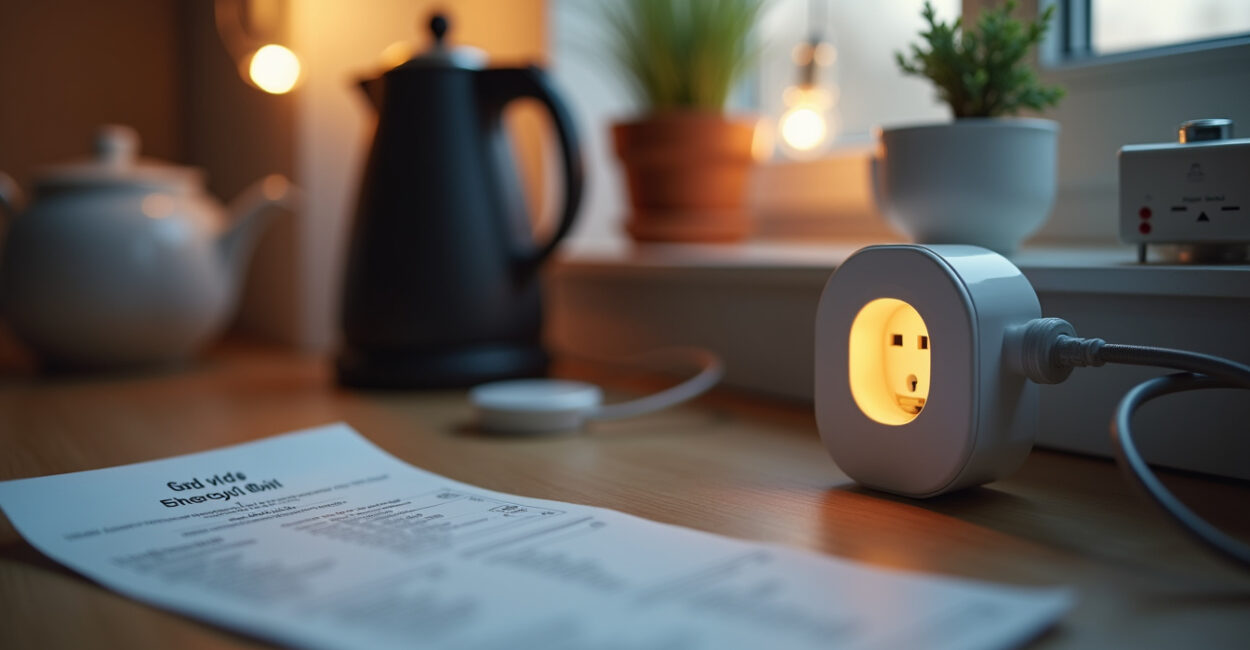
Technically, a smart plug is a switchable outlet module with connectivity—usually Wi-Fi, sometimes Matter, occasionally Zigbee—that lets you turn a device on or off remotely and, on many models, measure its power draw. An energy monitor is broader: it records electricity use from a single appliance, a branch circuit, or the whole home, depending on the device. In plain English, smart plugs are best for individual appliances, while monitors show you where the house is bleeding energy overall.
Where Smart Plugs Win
Smart plugs are the low-friction choice when you want to test one device at a time. They are ideal for lamps, fans, TVs, printers, routers, dehumidifiers, and other plug-in loads that behave predictably. Many budget models include scheduling, timers, and usage charts in the app, which is enough to catch a device that stays on all night for no good reason.
Where Energy Monitors Win
Energy monitors shine when the problem is not a single device but a pattern: an HVAC auxiliary strip heater, a refrigerator compressor that is cycling too often, or a laundry circuit pulling more than expected. Whole-home systems can show baselines, spikes, and trends that a plug-level device simply cannot see. For that, the U.S. Department of Energy’s Energy Saver guidance is a useful reference point for understanding where household electricity typically goes.
Smart plugs tell you whether one appliance is wasting power; energy monitors tell you whether the house itself is wasting power.
The Budget Features That Actually Matter
When people shop on price alone, they often buy the wrong thing. A cheap plug with a slick app is not useful if it cannot read real power usage, and a monitor with excellent graphs is frustrating if the setup takes an electrician and a weekend. The features below are the ones that determine whether the device will earn its keep.
Measurement Accuracy
Look for active power in watts, energy over time in kWh, and, if you care about inductive loads like motors, reasonable behavior under changing loads. Some budget plugs are good enough for toaster-level appliances and light use, but they can be less trustworthy with devices that surge, ramp, or idle irregularly. That does not make them useless; it means you should treat the numbers as a decision aid, not a utility-grade meter.
Connectivity and Ecosystem
Wi-Fi is the easiest starting point, but it is not the only path. Zigbee and Matter can be more stable in larger smart homes, especially when your router already has enough to do. If you use Alexa, Google Home, or Apple Home, check compatibility before you buy. A cheaper device that cannot join your existing setup often becomes drawer clutter.
Automation Controls
The strongest budget smart plug is not the one with the most icons. It is the one that supports schedules, scenes, away mode, and maybe a power threshold trigger. Those functions let you do practical things like cut office gear after business hours or shut off a humidifier once a target humidity is reached. That is where the savings move from “interesting” to noticeable.

Best Rooms to Start When You Want Faster Savings
The fastest wins usually come from rooms where devices run for long stretches or sit in standby. That is why bedrooms, home offices, media rooms, kitchens, and laundry areas are better first targets than decorative lighting or random gadgets. The trick is to focus on predictable loads, because predictable loads are easier to automate and easier to measure.
- Home office: monitors, printers, speakers, and desk lamps often draw power after hours.
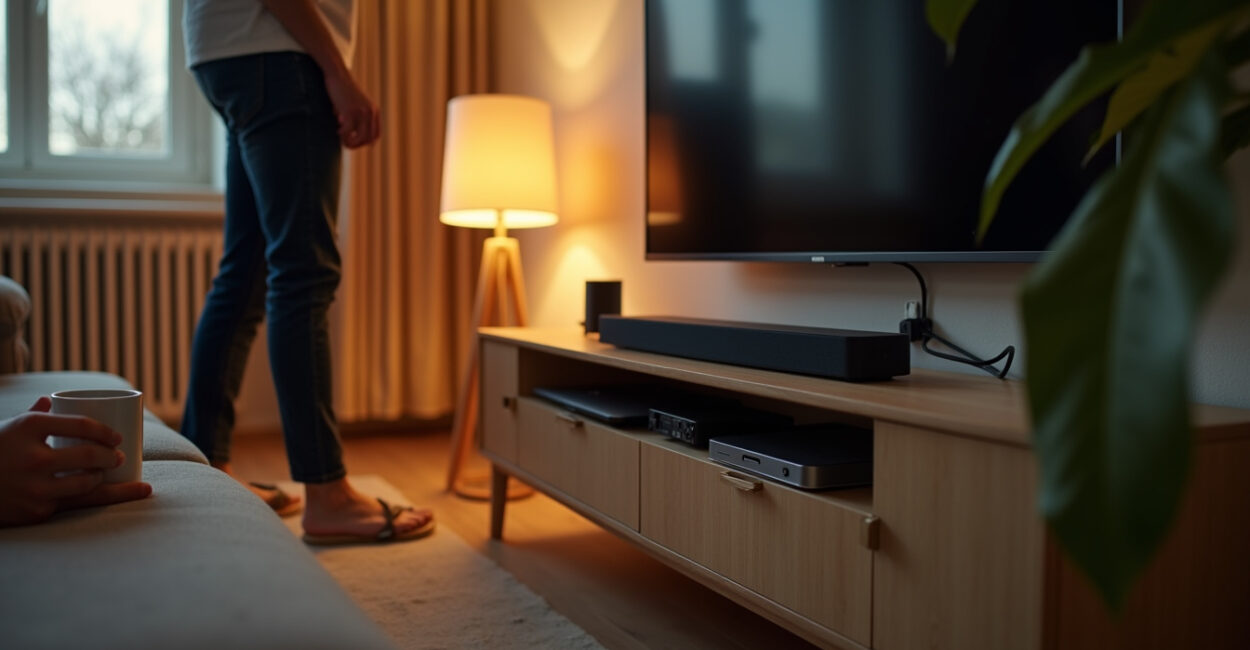
- Living room: TVs, streaming boxes, consoles, and soundbars can create a steady standby load.
- Kitchen: coffee makers, air fryers, and underused countertop appliances are easy to manage with schedules.
- Bedroom: chargers, fans, and humidifiers are small individually but add up across a year.
- Laundry area: dehumidifiers and utility accessories can run longer than necessary if left unchecked.
One practical example: I once saw a home office where the printer, docking station, and dual monitors stayed powered around the clock. The owner assumed the cost was trivial, but the meter showed a steady draw that added up month after month. A simple smart plug schedule shut the setup down after work hours and restored power at 7 a.m. It was not dramatic in a single day. Over a year, it mattered.
How to Read the Numbers Without Guessing
Energy data is useful only when you know what to compare it against. A device drawing 3 watts in standby may not sound like much, but that is about 26 kWh per year if it runs constantly. Multiply that by several appliances and you start to see why “small” loads matter. This is also where the FTC’s consumer guidance on energy bills helps frame the math: the bill is not about one spike, it is about repeatable usage over time.
Three Numbers Worth Watching
- Instant watts: shows what the appliance is doing right now.
- Daily kWh: helps you see how usage changes with habits and schedules.
- Peak draw: matters for heaters, motors, and anything that starts with a surge.
When the Math Misleads You
Not every reading should be treated the same way. A refrigerator, for example, cycles by design, so a short window can look odd even when the appliance is healthy. A dehumidifier may pull more on humid days and less on dry ones. That is why a 24-hour snapshot is better than a five-minute judgment. This is one place where the method works well for plug-in loads, but it can fail if you try to infer too much from too little data.
A power reading becomes useful only after you compare it across time, not when you treat a single snapshot as the full story.
Affordable Picks by Use Case, Not by Hype
If the goal is a budget-friendly setup, think in categories rather than brand fan clubs. For control, a reliable smart plug with energy tracking is often enough. For visibility, a clamp-style monitor or panel-based system is the better investment. For many homes, the smartest path is a hybrid: a few plug-level devices for the worst offenders and one central monitor for the big loads.
| Use Case | Best Tool Type | Why It Fits | Main Trade-Off |
|---|---|---|---|
| Standby loads in one room | Smart plug with energy tracking | Cheap, easy to install, immediate control | Only measures one outlet at a time |
| Whole-home visibility | Panel or circuit energy monitor | Shows the big picture and hidden baselines | Higher cost and more involved setup |
| Appliances with schedules | Smart plug with automation | Great for coffee makers, fans, and office gear | Not suitable for every high-load device |
If you want a practical rule, buy the cheapest device that still answers your question. Need to stop a lamp or printer from running after hours? A smart plug. Need to understand why the electric bill jumped after a heat wave? A monitor. Need both? Start with the room that has the most standby waste, then expand.
Setup Mistakes That Make Budget Gear Look Worse Than It Is
Most bad reviews of these devices come from setup errors, not from the hardware itself. People install a plug on the wrong appliance, never calibrate their expectations, or assume every reading should match the utility bill line for line. That is not how residential electricity works. Your bill includes delivery charges, fixed fees, and losses that a plug-level device never sees.
Common Mistakes
- Using a smart plug on a device that exceeds the plug’s rated amperage.
- Expecting a whole-home bill match from a single outlet monitor.
- Ignoring standby loads because they look small in the app.
- Buying a device without checking app support or platform compatibility.
- Forgetting that some appliances need uninterrupted power for safety or memory retention.
There is also a trust issue that is worth saying out loud: not every consumer-grade meter is equally precise. Some are excellent for trend tracking and rough decision-making, but less trustworthy as a diagnostic instrument. That is fine if your goal is to cut waste, not to write a lab report. The key is to use the right tool for the right level of certainty.
How to Build a Room-by-Room Energy Audit on a Budget
The best way to use these devices is to work like a detective, not a collector. Pick one room, identify the obvious always-on devices, measure for a week, then automate the easy wins. After that, move to the next room. The method is slow enough to be realistic and fast enough to show value before the novelty wears off.
A Simple 4-Step Routine
- List the plug-in devices that stay connected most of the day.
- Measure or track each one for several days, not just a single hour.
- Set schedules or shutoff rules for the low-risk devices.
- Recheck the numbers after one billing cycle and keep what works.
For technical context, the National Institute of Standards and Technology is a good place to understand why measurement consistency matters in consumer devices, even when the goal is not laboratory precision. In home energy management, consistency often beats absolute perfection, because the behavior change is what lowers the bill.
What Actually Pays Off over Time
The biggest mistake is thinking the device itself saves money. It does not. The savings come from deciding that the gaming console no longer idles all week, the heater stops running when the room is empty, and the office cluster powers down after work. The hardware gives you visibility and control; the habits do the rest. That is why the best budget setup is one that fits your routines instead of fighting them.
Next step: start with one room that has several always-on devices, add one tracked smart plug, and watch the usage for a full week before buying anything else. If you want a bigger-picture view, add a circuit or whole-home monitor after you have already cleaned up the easy waste. That order keeps the spending small and the payoff visible.
FAQs
Do Smart Plugs Really Save Enough Money to Matter?
They can, but only when you use them on the right devices. The savings usually come from standby loads, scheduling mistakes, and appliances that run longer than needed. A single plug may not look impressive, yet several small wins across a house can reduce usage in a noticeable way over a year. The real value is that you can see the waste, then automate it out of your routine.
Is an Energy Monitor Better Than a Smart Plug?
Neither is universally better; they solve different problems. A smart plug is better when you want control and tracking for one appliance. An energy monitor is better when you need to understand the home’s total pattern or a larger circuit. If your goal is room-by-room savings, a smart plug is usually the cheaper first move, while a monitor becomes more useful as your questions get bigger.
Can I Use These Devices with High-wattage Appliances?
Sometimes, but only if the device is rated for the load. Space heaters, portable air conditioners, and some kitchen appliances can draw more current than a budget smart plug should handle. Always check the amperage and wattage limits first, and avoid using a plug where continuous heavy load is expected. For those cases, a circuit-level monitor is often the safer choice.
How Accurate Are Budget Energy Monitors?
They are usually accurate enough for trend tracking, billing estimates, and spotting obvious waste. They are not always precise enough to match a utility meter line for line, especially in homes with complex loads or appliances that cycle frequently. That limitation does not ruin their value. If the monitor shows that one room is drawing power around the clock, that signal is good enough to justify action.
What Should I Track First If My Electric Bill Keeps Rising?
Start with the loads that run the longest, not the ones that look biggest. Heating and cooling equipment, dehumidifiers, refrigerators, routers, office gear, and entertainment systems are common culprits. If you can, measure one room for a week and look for steady baselines after hours. That approach usually reveals more than chasing random spikes.