Skip to content

Two cheap parts can do a lot of work: a small solar panel, a Wi‑Fi outlet, and a load that does not need 24/7 power. That is the core idea behind smart solar plugs—use sunlight to power a low-watt device on a timer, schedule, or remote switch without paying for a full electrician-led install.
The appeal is not just the price. A well-built budget setup can handle garden lighting, a fountain, a shed light, or a small seasonal display if you match the panel, battery, and outlet correctly. The catch is that the system only stays reliable when you respect voltage, weatherproofing, and how the load behaves after sunset.
This guide breaks down the practical parts under $50, the wiring logic behind a small solar-powered outlet, the Wi‑Fi pairing details that usually trip people up, and the safety checks that keep the system legal and stable. It is written for people who want something usable, not a showroom-grade kit.
In a Nutshell
- A budget solar plug setup works best when the load is low-power, predictable, and tolerant of intermittent runtime.
- The cheapest reliable builds usually combine a 10W to 30W panel, a charge controller or solar power bank, and a smart plug rated for the actual load.
- Weatherproofing matters more than brand names; one loose connector can ruin an otherwise good setup.
- For permanent outdoor wiring, local electrical code and outlet protection rules matter more than the gadget itself.
Smart Solar Plugs: How a Cheap Solar Panel, Wi‑Fi Outlet, and Battery Work Together
Technically, this is a small off-grid power chain: photovoltaic module → charge management → storage or direct DC conversion → smart switching → load. In plain English, the panel collects sunlight, the battery or power bank stores some of it, and the smart outlet decides when the device turns on.
That structure matters because not every “solar plug” is the same product. Some people mean a plug-in Wi‑Fi outlet powered by a solar-charged battery pack. Others mean a solar timer outlet for garden use. And some are really just outdoor smart plugs connected to a separate solar system. If you mix those up, you buy the wrong parts and wonder why the fountain only runs at noon.
The Minimum Parts List Under $50
- Solar panel: 10W to 30W is enough for small lights, sensors, and short runtime devices.
- Charge controller or solar power bank: This prevents overcharging and gives you a stable power source.
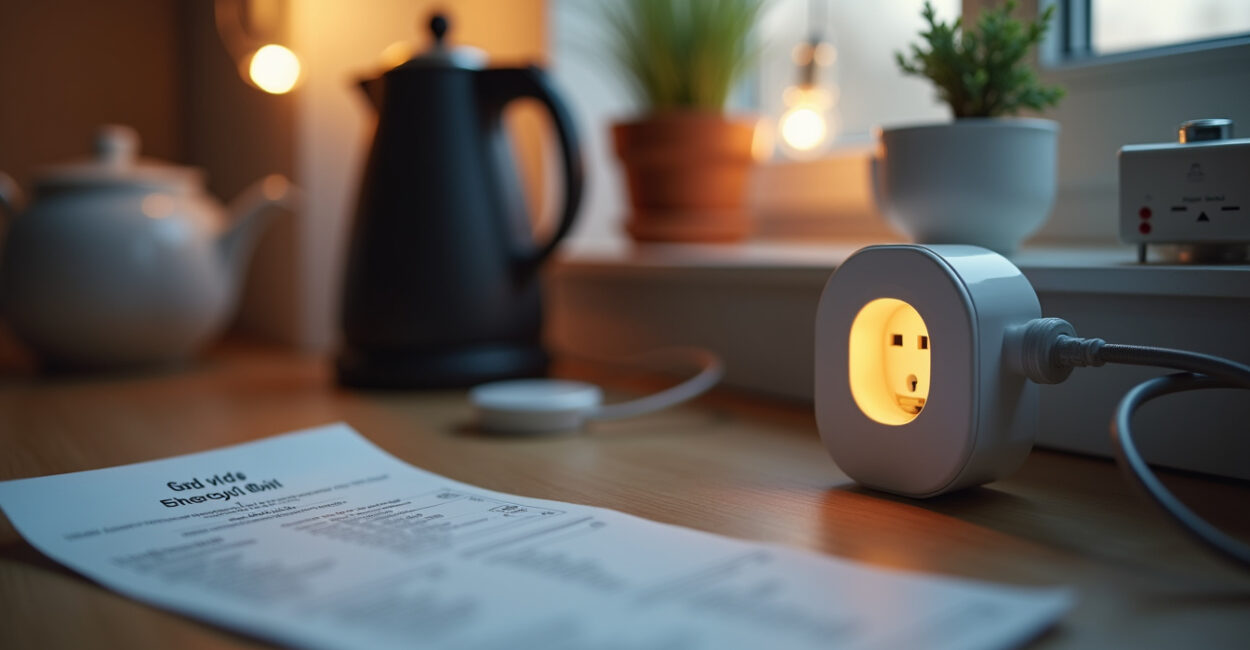
- Wi‑Fi smart plug or smart outlet: Choose one that matches the load and is rated for indoor or outdoor use as needed.
- Battery or storage buffer: Useful when the device must run after dark.
- Weatherproof enclosure and cable glands: These are not optional outdoors.
Why the Load Type Changes Everything
LED lights are forgiving. A fountain pump is not. Motors draw a spike when they start, and cheap smart plugs often fail when that surge is higher than the label suggests. That is why a 10W solar panel can be enough for string lights, but not for a pump that needs a stronger inverter and a larger battery reserve.
The difference between a reliable solar plug setup and a frustrating one is not the app; it is whether the power source can handle the load after sunset.
If you want a reference point for electrical safety basics, the U.S. Department of Energy and the Consumer Product Safety Commission both publish clear consumer-facing guidance on home electrical and outdoor equipment risks.
Parts That Make Sense When You Want to Stay Under $50
The budget ceiling sounds restrictive, but it forces better decisions. At this price, you are not building a whole-house backup system. You are building a narrow, efficient setup for one job.
In practice, the best value comes from using one of two paths: either a compact solar kit with a small battery buffer, or a solar-ready smart plug paired with a low-draw device. Trying to force one cheap part to do everything usually creates the failure.
What to Buy First
- A solar panel sized to the device: 10W for tiny loads, 20W to 30W for more consistent daily use.
- A USB or DC battery buffer: This helps the system survive clouds and late-day runtime.
- An outdoor-rated smart plug: Look for weather resistance, grounded construction, and app control that works without a flaky cloud account.
What to Skip
Skip oversized inverters for tiny loads. Skip “universal” adapters with vague labels. Skip no-name plugs that do not list amperage, temperature limits, or enclosure rating. If the product page avoids specifics, that is usually a bad sign, not a bargain.
| Part | Typical Budget Range | Best Use |
|---|---|---|
| 10W solar panel | $15–$25 | Accent lights, sensors, short runtime |
| 20W–30W panel | $20–$35 | More stable daily cycling |
| Smart plug | $10–$20 | Scheduled switching, remote control |
| Weatherproof box and fittings | $8–$15 | Outdoor protection and cable management |
A common mistake is buying a powerful panel and pairing it with a weak outlet. The panel does not matter if the smart plug resets every time the cloud cover changes. Reliability comes from matching the weakest part to the actual job.
Wiring and Pairing Without the Usual Headaches
Most failures happen at the connection points: loose terminals, wrong polarity, weak Wi‑Fi signal, or a smart plug that loses its pairing after a power dip. The hardware is rarely “mystical.” It is usually just under-specified or installed in a way that ignores the environment.
For a simple setup, keep the circuit short, keep the electronics dry, and keep the app setup close to the router. If the plug cannot hold a steady connection during pairing, move it indoors first, finish the setup, then return it to the enclosure.
A Practical Setup Sequence
- Charge or test the battery buffer before connecting the load.
- Confirm the panel output matches the controller or power bank input range.
- Pair the smart plug on a 2.4 GHz network if the device requires it.
- Program a short test schedule before leaving the system unattended.
- Watch one full day/night cycle before calling it finished.
Here is what that looks like in the real world. A homeowner wants a small shed light that turns on at dusk and off at midnight. They buy a low-watt LED strip, a 20W panel, a compact battery pack, and an outdoor smart plug. The first version fails because the plug sits in a humid box with poor airflow. The second version works because the box is sealed properly, the battery is sized for the night load, and the Wi‑Fi pairing is done before anything goes outside.
Why Wi‑Fi Pairing Fails So Often
Two things break pairing most often: 5 GHz-only routers and weak signal strength near metal enclosures. Many budget plugs still require 2.4 GHz. If your router band-steering is aggressive, the app may never finish setup. That is not a solar problem; it is a network problem wearing a solar costume.
Most smart plug failures in small solar builds are not caused by sunlight shortage; they are caused by poor enclosure design, weak Wi‑Fi, or a load that pulls more current than the outlet can safely handle.
For installation and code context, NFPA guidance is useful for understanding outdoor electrical safety, and many local jurisdictions follow similar principles for outdoor receptacles and protected equipment.
Safety Checks That Keep a Budget Solar Setup Legal and Reliable
This is the part people skip, and it is the part that prevents the expensive mistake. A cheap solar setup can be safe, but only when the voltage, enclosure, and outlet ratings are honest and the installation respects moisture, heat, and fire risk.
One limit to keep in mind: a low-cost system is fine for small loads, but it is not a substitute for a permanent outdoor branch circuit. If you want to power a full patio, hot tub accessories, or anything with high inrush current, a DIY bargain setup is the wrong tool.
Non-Negotiable Checks
- Outdoor rating: If the enclosure or plug is not rated for outdoor use, do not use it outside.
- Ground-fault protection: Outdoor outlets typically need GFCI protection.
- Cable routing: Keep cords off the ground where water pools.
- Heat management: A sealed box in direct sun can cook electronics.
- Load margin: Keep the device well below the plug’s maximum rating.
If the setup is temporary, like holiday lighting or a seasonal fountain, the risk profile is easier to manage. If it is permanent, the standard gets higher. The practical rule is simple: the longer the system stays in place, the more it should look like a real electrical installation and the less it should look like a quick gadget project.
When Smart Solar Plugs Are Worth It—and When They Are Not
They are worth it when the load is small, the usage pattern is predictable, and the budget matters more than perfect performance. They are not worth it when the device needs high power, uninterrupted runtime, or weatherproofing that you cannot verify.
The best decision is often not to add more solar, but to reduce the load. A 4W LED fixture and a timed plug are far easier to power than a 30W decorative light string with a weak battery. That is why the smartest low-cost build is often the most boring one.
Next step: choose one load, measure its wattage, match the solar panel and storage to that number, and test the system for two full days before committing to an outdoor install. If the device needs a surge-heavy startup or a larger battery than your budget allows, step back and redesign the load instead of forcing the hardware.
FAQ
What can you realistically power with a budget solar plug setup?
Low-watt LED lighting, small decorative fountains with modest startup demand, sensors, and seasonal accent lighting are the best fits. Anything with a motor, heater, or high inrush current gets difficult fast. The load has to match the size of the panel and battery buffer.
Do smart plugs work with solar power banks?
Yes, as long as the power bank provides stable output and the smart plug is rated for that voltage and current. The pairing usually happens over Wi‑Fi, not through the solar side of the system. The solar part only charges the storage source.
Why does my outdoor smart plug keep disconnecting?
Weak Wi‑Fi, 5 GHz network settings, and moisture inside the enclosure are the usual culprits. Outdoor electronics need a dry box, good signal strength, and enough ventilation to avoid heat buildup. Re-pairing the plug indoors often helps isolate whether the problem is networking or power.
Is a $50 budget enough for a reliable setup?
Yes, for small loads. It is enough for a simple solar-lighting or timed-outlet project if you choose components carefully and avoid oversized expectations. It is not enough for a whole-yard or high-power appliance setup.
Do I need a charge controller?
If you are charging a battery directly from a solar panel, yes, a charge controller is a smart choice. It protects the battery from overcharge and improves reliability. Some solar power banks include this function internally, which simplifies the build.
Can I leave the setup outside year-round?
Only if every exposed component is rated for outdoor use and installed in a protected enclosure. Even then, heat, freezing, and condensation can shorten the life of budget parts. Seasonal use is usually safer for low-cost builds than permanent exposure.