Skip to content

There’s a moment when a modern living room stops feeling like a showroom and starts feeling like someone lives there — often because of one unexpected object. Vintage accents can do that work: a brass lamp, a mid-century mirror, a well-worn leather book. Placed with intent, they add history and warmth without turning the space into an antique shop. Here’s how to position small vintage pieces so they amplify character, not clutter.
Place One Conversation Starter Where Eyes Naturally Land
A single, well-placed vintage piece shifts the room’s whole story. Think of the spot your eye visits first when you walk in — the mantel, the console behind the sofa, the wall above a chair. Putting a vintage mirror or an oversized framed print there instantly creates a focal point. Instead of scattering small items evenly, let one piece anchor the space and let other accents play supporting roles. That’s the difference between curated and chaotic.
Use Scale to Balance Modern Minimalism and Vintage Charm
Small vintage accents must read at the correct scale next to modern furniture. A tiny porcelain figurine on a vast marble table disappears; a large gilt frame feels overwhelming above a slim shelving unit. Match the visual weight, not the size exactly. Sit the vintage lamp on a side table with other low objects or pair a heavy wooden stool with a lightweight modern chair. The goal: each piece feels intentional, not apologetic.

The Rule of Three: Grouping That Feels Effortless
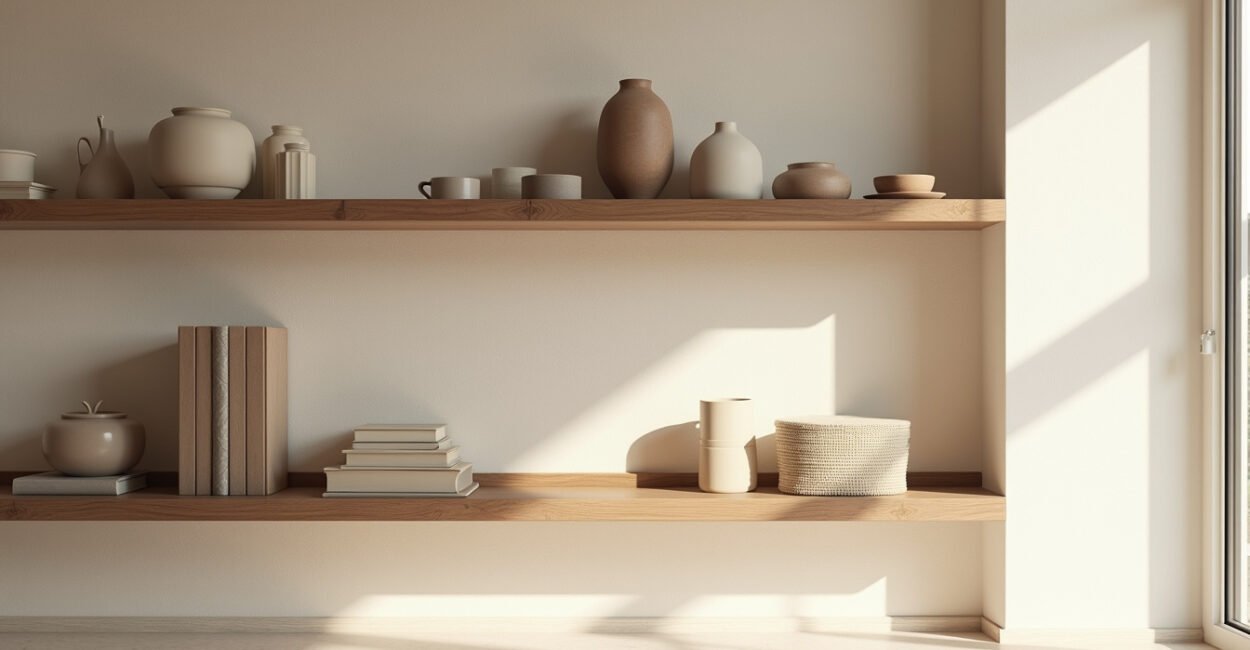
Grouping works because our brains prefer small clusters. Try trios of vintage objects at different heights: a stack of old books, a small sculptural object, and a ceramic vase. Three creates rhythm; two feels uncertain, five can be busy. Use a mix of textures — metal, wood, textile — so the cluster reads as layered rather than repetitive. This is where pairing tips matter: one focal item, one textural piece, one soft or living element like a plant.
Contrast is Your Ally: Surprise the Eye with Opposites
Place vintage next to sleek modern surfaces to make both sing. A scuffed brass tray on a glass coffee table, a carved frame against a flat, matte wall — those contrasts create tension that feels modern and lived-in. Expectation/Reality: you might expect antiques to demand ornate rooms; the reality is they pop more against restraint. That comparison — ornate vs. minimal — is the fastest way to make a single vintage item feel editorial, not dusty.

What to Avoid: Common Mistakes That Turn Charm Into Clutter
There are simple missteps that flatten vintage pieces instead of elevating them. Avoid: placing too many small items without a visual anchor; clustering similar colors so everything blends; using vintage items only on one side of a room (unbalanced); hiding pieces at eye level where they aren’t seen. Instead, edit ruthlessly. Keep surfaces breathing. Let each vintage accent have a role: anchor, texture, or surprise. When in doubt, remove — you can always rotate pieces seasonally.
Mini-story: The Lamp That Changed the Apartment
She bought a small brass lamp at a flea market because it “felt” right, not because it matched anything. It sat on an empty console for a week. Then she swapped it with a generic lamp on the living room table, and suddenly the sofa area felt warmer, like an invitation. Friends lingered longer. The apartment stopped looking staged and started feeling owned. That lamp didn’t match perfectly — it made the space honest. Small vintage choices can have outsized emotional impact.
Pairing Tips: Materials, Colors, and the Living Element
Pair vintage accents with modern pieces through three simple filters: material contrast, color relationship, and a living element. Use metal or wood to anchor, repeat a color subtly across the room, and always add a plant or fresh flowers to modernize old surfaces. When pairing, think of a sentence: subject (vintage), verb (modern), and punctuation (living element). This framework keeps vintage accents relevant rather than nostalgic-heavy.
Legibility matters: rotate your vintage pieces seasonally, keep one dominant anchor, and resist symmetry when it dulls character. Small choices, correctly placed, make rooms feel curated instead of crowded. Try moving one vintage object this week — you might be surprised at how different the whole room feels.
For design research and historical context on styling and conservation, you can consult resources like the Library of Congress and museum archives at the Smithsonian Institution, which offer reliable references on period materials and care.
How Do I Decide Which Vintage Piece to Make My Focal Point?
Choose the item that has the strongest personality — unusual scale, a striking silhouette, or rich patina — and put it where people naturally look first, like above a mantel or behind a sofa. Consider the piece’s visual weight relative to nearby furniture and ensure it contrasts with the immediate background so it reads clearly. If you’re unsure, photograph the space with and without the piece; the version that feels more inviting is often the right choice. Prioritize emotional reaction over “matching.”
Can Small Vintage Accents Work in Ultra-minimal Spaces?
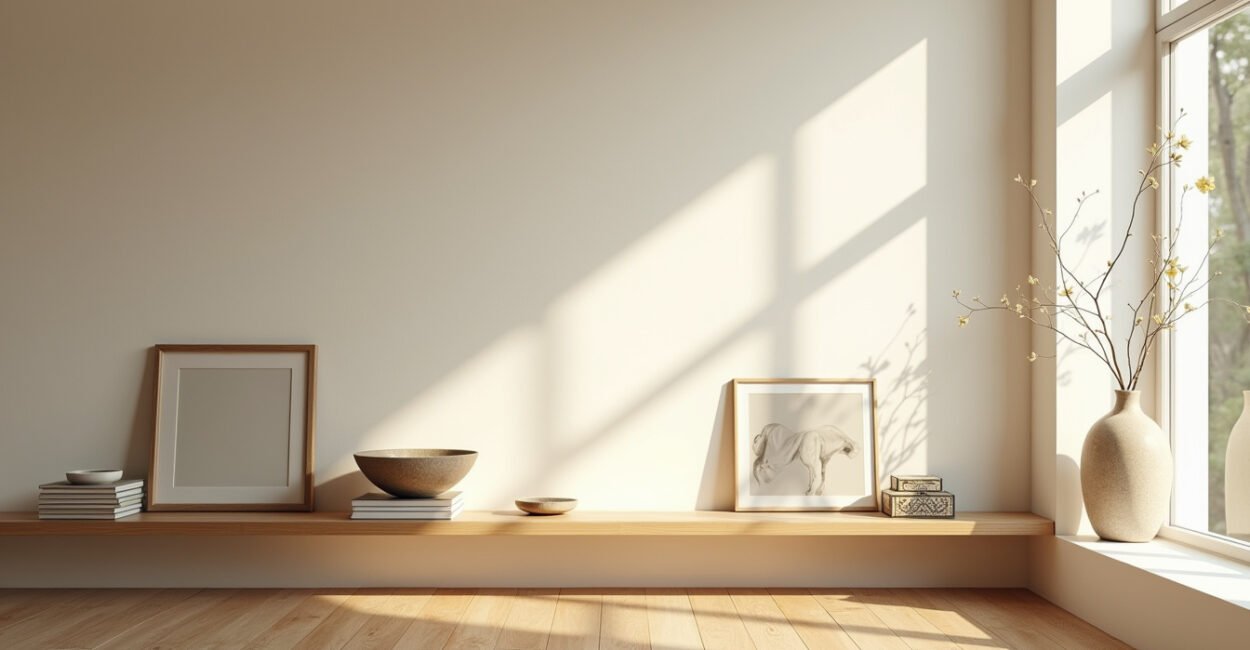
Absolutely. In ultra-minimal rooms, a single vintage object gains prominence and reads almost like art. Keep the rest of the palette restrained and use the vintage piece to introduce texture or a subtle color note. Balance its visual weight by leaving negative space around it and pairing it with one living element such as a simple vase or plant. The key is restraint: one well-chosen vintage accent will add warmth without disrupting minimal harmony.
How Do I Mix Periods Without the Room Feeling Confused?
Mixing periods succeeds when you maintain a consistent underlying thread: a color palette, a recurring material, or a dominant style silhouette. Limit the number of dominant periods to two and use smaller vintage accents to bridge gaps. For example, mid-century furniture pairs well with Victorian lighting if you repeat brass or warm wood tones across the room. Think of the room’s narrative and make sure each piece contributes to that story rather than introducing a competing subplot.
What Are Safe Places to Display Fragile Vintage Items?
Place fragile objects where they’re visible but protected: inside a glass-fronted cabinet, on higher shelves away from heavy traffic, or on a weighted console with a lip. Avoid low coffee tables in homes with pets or small children. Use museum putty for light ceramic pieces and consider climate: keep delicate textiles and paper out of direct sun and away from high humidity. Safety and visibility together ensure items are enjoyed without risk of damage.
How Often Should I Rotate Vintage Accents, and Why?
Rotate vintage accents seasonally or every few months to keep the room feeling fresh and to prevent visual fatigue. Rotating also reduces wear from sunlight exposure and allows you to highlight different stories in your collection. Treat your collection like a small gallery: keep core anchors in place but switch supporting pieces to respond to mood, season, or function. This practice prevents clutter buildup and helps you learn which pieces consistently enhance your space.