Skip to content

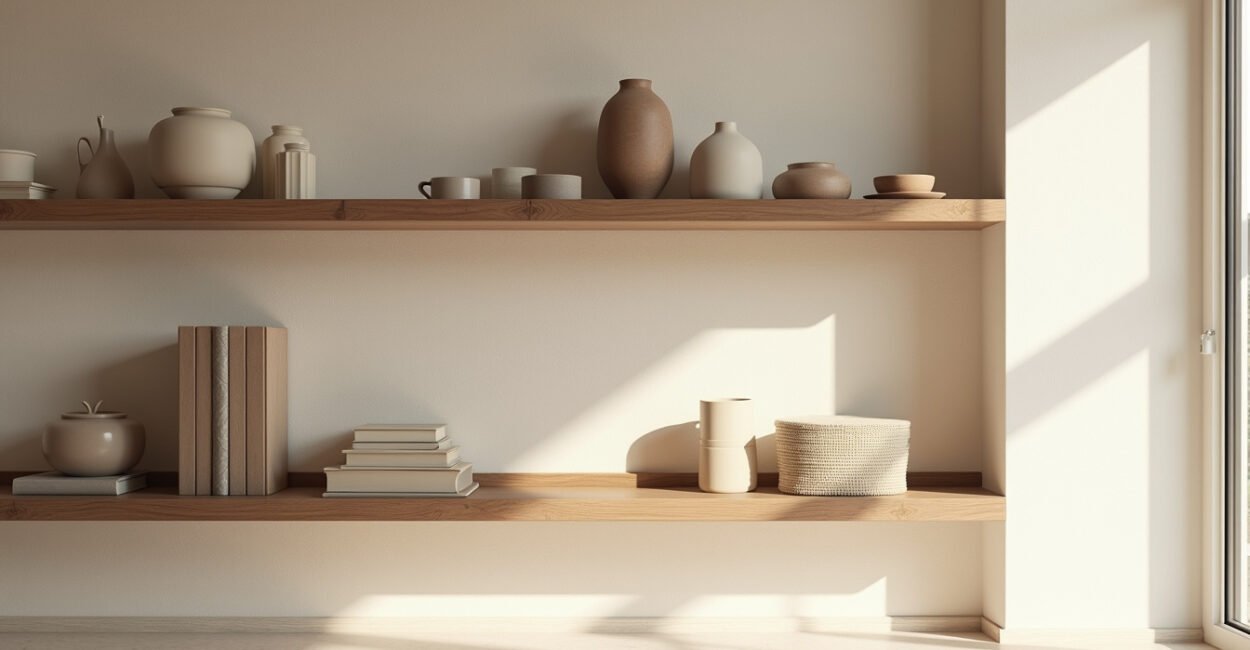
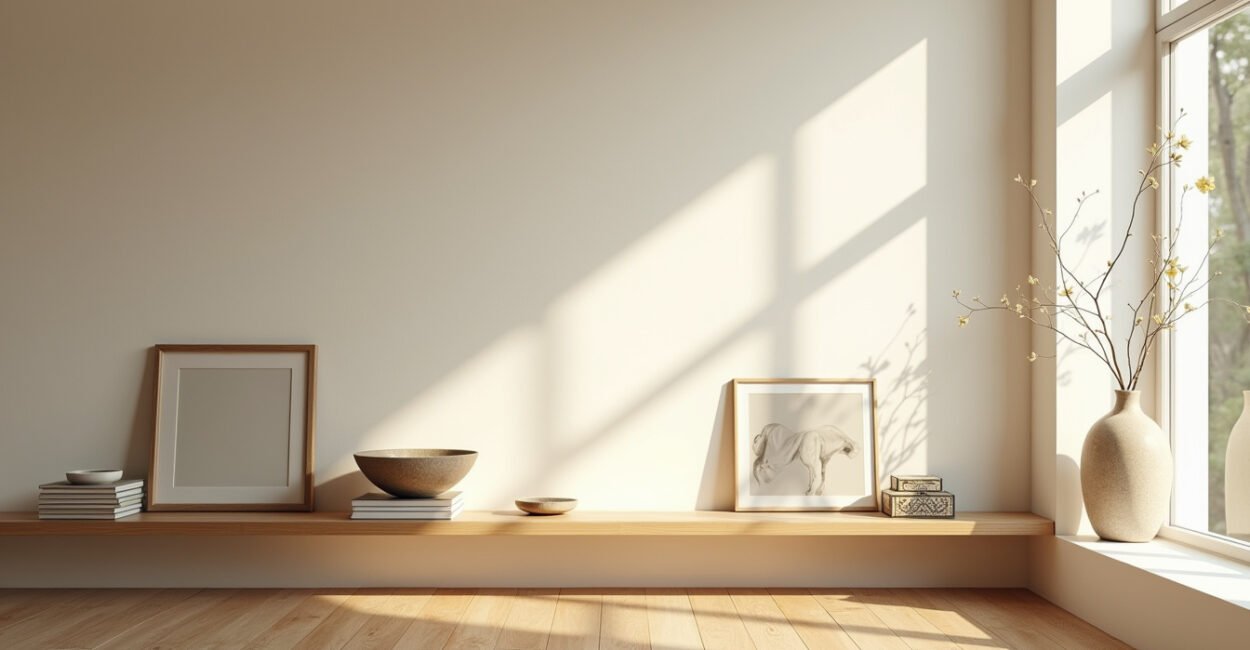
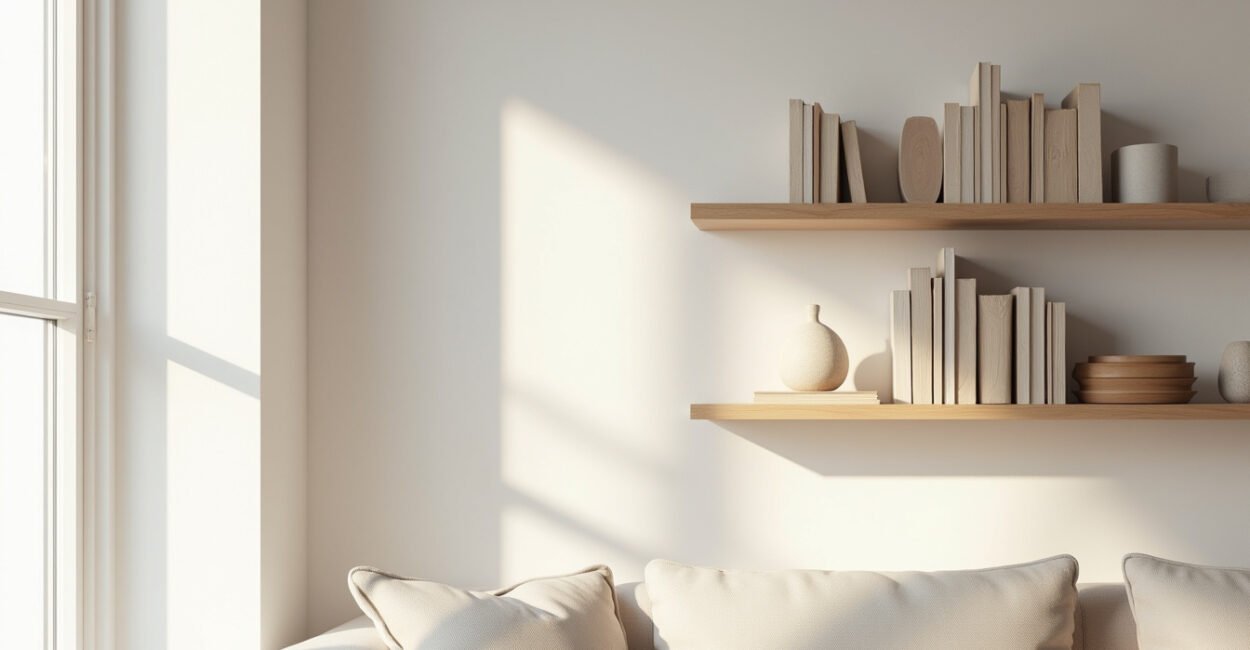
Half a stack of books, a single ceramic bowl, and a wall that feels suddenly calm — that’s the sight dividing feeds this month. The minimalist shelves trend is not about being sparse for the sake of it; it’s a deliberate shrinking of visual noise. But does dialing everything down actually stop clutter, or does it just move mess into drawers and closets? Minimalist shelves shows up in living rooms and Instagram grids alike, and people are arguing whether it’s freedom or a design trap.
Why the Minimalist-shelves Look Spread So Fast
This style spread because it promises a fast emotional payoff: visible calm. There’s a psychological shortcut when you remove objects from view — your brain perceives order instantly. Influencers capture that quick transformation in a single before/after swipe, which fuels sharing. Retailers also made it easy: curated shelf kits, matching boxes, and modular brackets. The result is a loop: someone posts a tidy shelf, followers copy the aesthetic, and the market supplies props to replicate it.
The Surprising Downside Most Photos Don’t Show
What looks like minimalism often hides an expensive maintenance plan. Behind the curated shelf are bins, closets, and weekly editing sessions. Real rooms reveal a different after: unopened boxes, shoved toys, and the off-camera chair that holds “shelved” items. If you compare expectation vs. reality, it’s like a staged hotel room versus actual apartment life — pretty on camera, messy off-camera. A pared-back shelf can become a pressure point: if you can’t keep it perfect, the shelf turns into a visual guilt magnet.

Three Real-room Examples That Prove Both Sides
Minimalist shelves can be brilliance or a billboard for denial — context decides. In a tiny studio, pared shelves made a wall feel bigger and reduced decision fatigue for a busy freelancer. In a family home, however, the same approach created constant friction: kids’ toys had nowhere visible, so living areas filled with hidden clutter. In a rental, tenants loved temporary floating shelves because they required no permanent changes. The lesson: match the approach to household habits, not Instagram aesthetics.
The Mechanism That Nobody Explains: Visibility Equals Control
Reducing what’s visible doesn’t reduce what you own — it changes how you interact with it. When items are displayed, you either engage with them or edit them. When items are hidden, you forget about them — until they resurface as clutter in drawers. Think of it like pruning a tree: cutting back encourages regrowth unless you change care habits. This mechanism explains why minimalist shelves can be catalytic for some people and merely cosmetic for others.
Common Mistakes People Make When Trying Minimalist Shelves
Most failures come from process errors, not taste.
- Designing shelves before decluttering — you end up arranging the problem.
- Using identical accessories to fake cohesion — it reads as staged, not personal.
- Ignoring function: no accessible storage for everyday items leads to off-shelf chaos.
- Setting unrealistic standards — tiny changes beat dramatic, unsustainable overhauls.
These errors are easy to avoid with one rule: plan where things will live long-term, not just how they look for a photo.
A Simple Comparison: Before/after That Tells the Real Story
Expectations: spotless, magazine-ready shelves. Reality: tidy front, hidden backlog. Before: overflowing book piles, mismatched frames, visual noise. After: three books, one plant, a small sculpture — serenity achieved. But six months later, three scenarios emerge: the homeowner maintains the edit and enjoys lower stress; the homeowner rotates new items, creating a curated but evolving look; or the homeowner dumps overflow into drawers and the living room collects stray items. The second outcome is the happiest balance.
How to Try the Trend Without Wrecking Your Life
Do a six-week experiment, not a full lifestyle commitment. Start by selecting one shelf and applying a 30/60/90 rule: keep 30% of what you think, store 60%, donate or discard 10%. Track whether hidden items actually get used. Use inexpensive, reversible fixes — floating brackets, small baskets, and clips — instead of custom joinery. For inspiration, look at thoughtful interiors in Architectural Digest or cultural takes on consumption in longform outlets like The New York Times. If the result saves time or mental load, keep it; if not, adapt the concept to your real habits.
Minimalist shelves can be an act of clarity or a social-media mask. The difference is how honestly you face the things you own.
Is Minimalist Shelving the Same as Decluttering?
Not exactly. Minimalist shelving focuses on visible presentation and often aims to create a calm visual plane; decluttering is broader and addresses ownership, usefulness, and emotional attachment. You can declutter without adopting the sparse look, and you can stage minimalist shelves while still owning excess items stored elsewhere. The key difference is intent: decluttering solves long-term friction, while minimalist shelving primarily manages perception and immediate visual impact.
Will Minimalist Shelves Actually Reduce Cleaning Time?
They can, but only if paired with new habits. Visible simplicity reduces dusting targets and decision points, so a streamlined shelf is quicker to tidy. However, if you shove items into drawers or the floor to maintain the look, cleaning time may shift rather than decrease. The real win comes from reducing accumulation — that takes ongoing editing, not a one-off styling session. Measure time saved across weeks, not just the day you photograph the shelf.
How Do I Keep Minimalist Shelves from Looking Sterile?
Balance is the secret. Combine one personal item — a worn paperback, a framed photo, a found-object — with a couple of neutral shapes. Texture (woven basket, matte ceramic) and uneven heights prevent the “store display” vibe. Rotate pieces seasonally so the shelf evolves without becoming cluttered. The goal is curated warmth, not a showroom, which means allowing small imperfections that feel lived-in rather than perfectly staged.
Can Minimalist Shelving Work in Family Homes with Kids?
Yes, but it requires zoning. Create designated display shelves for fragile or aesthetic items and separate open bins or lower storage for toys and daily essentials. Make shelf rules collaborative: let kids choose one small object to display. That preserves the minimal look while acknowledging family life. Flexibility matters — rigid expectations will fail. The best implementations give kids ownership of certain areas while protecting the curated zones adults want to keep serene.
What’s a Realistic Trial Period to Test If This Trend Fits My Life?
Try a six-week trial on a single shelf or wall. Week one: remove everything and rehearse the 30/60/10 rule (keep/store/donate). Weeks two through four: live with the arrangement and note what resurfaces or gets stored. Weeks five and six: adjust based on real use — add a low basket, swap items, or reassign storage. Six weeks reveal whether the approach reduces mental load or simply hides the problem; it’s enough time to be telling without being irrevocable.