Skip to content

Smart plugs can cut waste, but they do not magically shrink every electric bill. The real story behind smart plugs and monthly power savings is simple: they save money only when they replace electricity that would otherwise be wasted, not when they control devices that already use very little power.
In apartment living, that difference matters a lot. A smart plug can trim standby draw from a TV setup, a coffee maker, a desktop computer, or a space heater with bad habits around idle time. It can also do almost nothing for a refrigerator, a router that must stay on, or an appliance with tiny consumption. Below, I’ll break down where the savings actually come from, which devices are worth automating, and how to estimate the monthly impact without guessing.
What You Need to Know
- A smart plug saves money by stopping standby power and shortening runtime, not by lowering an appliance’s active wattage.
- The biggest gains usually come from electronics, entertainment gear, and “forgotten on” devices with predictable schedules.
- For many apartments, the monthly savings are modest unless several wasteful loads are controlled together.
- Smart plugs work best when automation matches your routine; bad schedules can erase most of the benefit.
- The payback period depends more on your appliance mix and local electricity rate than on the plug itself.
Smart Plugs and Monthly Power Savings: The Real Mechanism Behind the Numbers
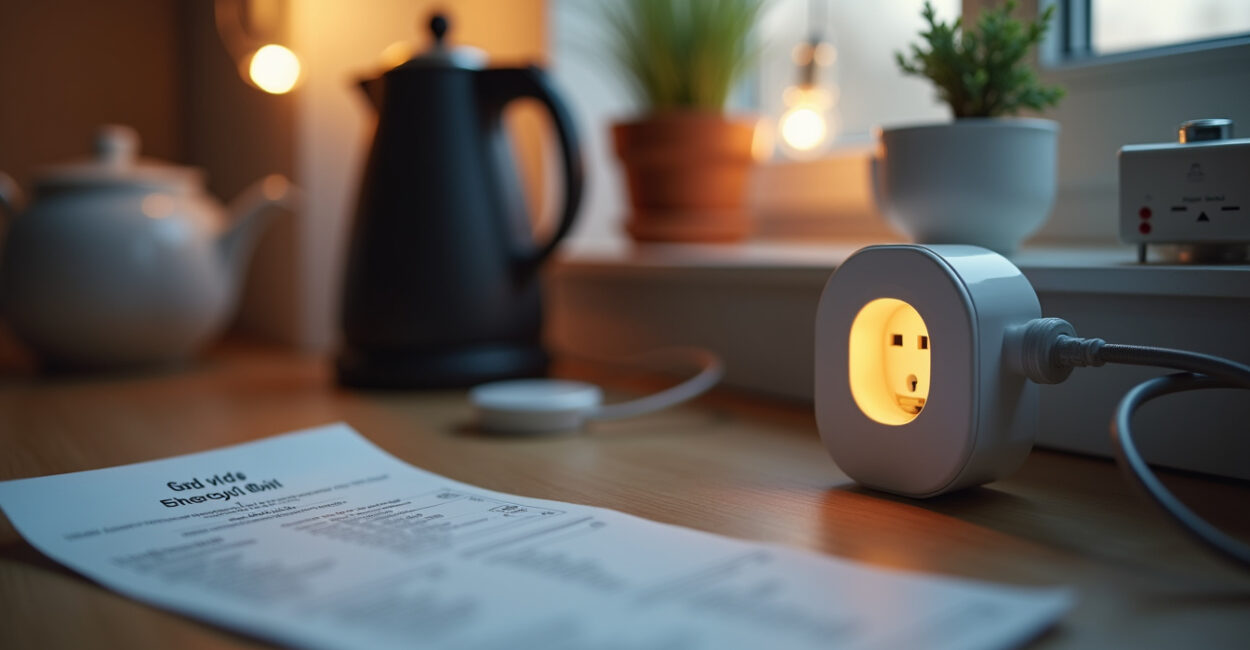
Technically, a smart plug is a connected relay that lets you cut or restore power to a device on command, by schedule, or through automation rules. In plain English: it is a remote on/off switch with a brain. That makes it useful for phantom load, also called standby power, which is the electricity many devices consume while “off” but still plugged in.
The key distinction is this: a smart plug does not make a device efficient; it prevents avoidable usage. If a gaming console idles for hours, a fan runs all night, or a lamp stays on because nobody remembered to switch it off, the plug can save real money. If the connected device already draws almost nothing, the savings are tiny.
The difference between a smart plug that saves money and one that only adds convenience is the load it controls, not the technology itself.
For a practical definition, think of monthly power savings as the avoided kilowatt-hours multiplied by your electricity rate. That formula is the whole game. A device using 8 watts of standby power costs far less than a device burning 60 watts all evening, which is why the same plug can be a smart buy in one apartment and a waste in another.
Where the Best Savings Usually Come from in an Apartment
Apartment dwellers usually see the best results with loads that are easy to forget and easy to control on a schedule. That means entertainment centers, desk setups, kitchen counter appliances, and seasonal devices that run longer than they should. The more predictable the usage pattern, the better the plug performs.
High-Value Targets
- TV and streaming setups: televisions, soundbars, game consoles, and set-top boxes often draw standby power all day.
- Desk electronics: monitors, printers, speakers, and chargers can pile up small but recurring losses.
- Kitchen appliances: coffee makers, air fryers, and toaster ovens may sit idle while still drawing a little power.
- Space heaters and fans: these can create large savings if they are frequently left on longer than needed.
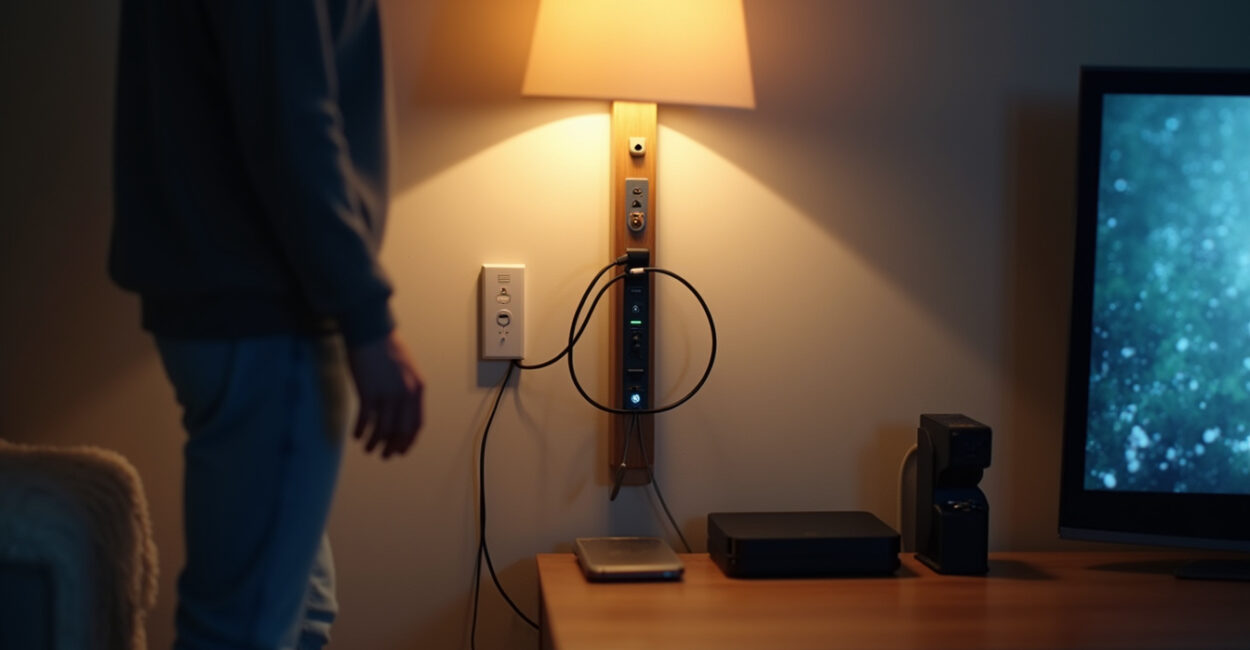
Who works with energy audits knows the pattern: the biggest savings come from controlling clustered devices, not single tiny loads. A home office with a monitor, laptop dock, speakers, and a printer can waste far more overnight than one lamp ever will. The same idea applies to a living room entertainment center.
There is a catch, though. A smart plug only helps when it can safely cut power. Some devices need uninterrupted power to keep settings, protect components, or maintain network access. That is why a router, a refrigerator, or a medical device is usually a poor candidate.
Smart plugs pay off fastest when they control several watts of waste for many hours a week, not when they are attached to a device that is already frugal.

How to Estimate Your Monthly Savings Without Guessing
The cleanest way to estimate savings is to measure the load, estimate hours of avoided usage, and multiply by your local electricity price. Most utility bills already show a per-kWh rate, and that number matters more than the smart plug brand. The plug is the tool; the bill rate is what turns watts into dollars.
A Simple Formula
Monthly savings = (watts avoided × hours avoided per day × 30) ÷ 1000 × electricity rate
Example: if a TV setup wastes 15 watts in standby for 10 hours a day, that is 4.5 kWh per month. At $0.18 per kWh, the savings are about $0.81 per month. That sounds small because it is small. But if the same apartment has five similar wasteful loads, the total starts to matter.
| Device / Use Case | Estimated Waste Reduced | Likely Monthly Savings Range |
|---|---|---|
| TV + streaming box | 5–20 watts | $0.50–$3.50 |
| Home office electronics | 8–30 watts | $1–$5 |
| Coffee maker / kitchen gadget | 1–10 watts | $0.10–$1.50 |
| Fan or space heater | High if left on unintentionally | $3–$20+ |
For a more exact read, a plug-in power meter gives better numbers than guesswork. If you want a technical reference point, the U.S. Department of Energy explains how standby power adds up across a home in its efficiency guidance at Energy Saver. For appliance ratings and measurement basics, the National Renewable Energy Laboratory also publishes useful consumer energy material.
Which Appliances Benefit Most, and Which Ones Do Not
This is where a lot of people overbuy smart plugs. They see a low price and start plugging in everything. That approach wastes time and often delivers disappointing savings. The right question is not “Can I automate it?” but “Does this device waste enough power to justify control?”
Best Fits
- Devices with standby draw that stays on for long periods
- Appliances used on a schedule, like lamps or fans
- Electronics in grouped setups that are easy to shut down together
- Equipment you regularly forget to turn off
Poor Fits
- Refrigerators and freezers
- Wi-Fi routers that must remain online
- Medical equipment
- Anything with memory, calibration, or cooling requirements that make power cuts risky
There is some debate about whether a few watts of standby draw are worth chasing in every case. That debate is valid. If your electricity rate is low and your appliance list is already efficient, the payback can stretch far longer than people expect. If your rate is high and your apartment has several always-on gadgets, the same plug becomes a far better buy.
One practical rule helps: if the device would be turned off manually most days anyway, a smart plug is a convenience upgrade plus a savings tool. If the device needs constant power, leave it alone. That line saves more mistakes than any marketing claim.
Automation That Actually Delivers in Apartment Living
Automation is where smart plugs stop being a gadget and start becoming a habit. The best setups are boring: lights off at bedtime, desk gear off after work, entertainment devices off overnight, and seasonal appliances on a timer only when needed. If your schedule is predictable, automation can capture savings you would otherwise miss.
One apartment I saw had a home office with a monitor, speaker set, printer, and charging hub. The resident thought the setup was “basically off” every night. A power meter told a different story. The aggregate standby draw was enough to add several dollars a month, and the plug schedule cut most of it with no inconvenience at all.
That is the practical sweet spot: low-friction routines where the device is needed only part of the day. When automation fits the household rhythm, people keep using it. When it fights the rhythm, they override it and the savings disappear.
Good Automation Patterns
- Use sunset-to-bedtime schedules for lamps and accent lighting.
- Turn off entertainment clusters after midnight if nobody uses them overnight.
- Disable desk peripherals during work hours or after a defined cutoff.
- Control seasonal devices with weather or calendar-based routines.
In apartment living, the most reliable savings come from scheduled shutdowns of grouped devices, because that cuts both standby waste and human forgetfulness.
Costs, Payback, and the Point Where a Smart Plug Stops Being Worth It
Smart plugs are inexpensive, but “cheap” and “worth it” are not the same thing. A plug that costs $12 and saves $1.50 a month pays back in eight months. A plug that saves $0.20 a month may never feel worth it, even if the math eventually works out. The right lens is not only ROI; it is whether the automation changes behavior enough to keep delivering savings.
The upfront cost matters less than the device’s duty cycle and your actual electricity rate. In high-cost regions, even moderate standby reduction can pay back quickly. In lower-cost markets, the biggest wins often come from stacking several small savings across multiple devices instead of relying on one dramatic case.
Also, not every smart plug has the same value. Energy monitoring helps because it shows live wattage and makes the savings visible. A basic on/off model can still work well, but without measurement, you are operating on faith instead of evidence.
Choosing a Smart Plug That Supports Real Savings
If the goal is lower monthly bills, focus on features that help you measure and automate, not on flashy extras. Energy monitoring, scheduling, voice assistant compatibility, and reliable app control matter more than novelty. Matter support can be useful if you want broader ecosystem compatibility, while certification from UL or ETL adds trust on the safety side.
Two things to check before buying: the plug’s maximum load rating and whether it behaves safely after a power outage. A bargain unit that drops settings, disconnects often, or runs hot is not a money saver. It is a headache.
What to Look For
- Energy monitoring in watts and kWh
- Scheduling and countdown timers
- Compatibility with your phone or smart home platform
- Safety certification from a recognized testing body
- A load rating that matches the appliance
For safety and device standards, the U.S. Consumer Product Safety Commission is a solid place to check general electrical product guidance, and the Department of Energy offers practical efficiency information that helps you separate real savings from marketing noise. If a device claims huge bill cuts without any mention of usage patterns, treat that claim skeptically.
Practical Takeaway for Monthly Bills in the Real World
The most honest answer is that smart plugs can lower monthly electricity bills, but only in the right household and only on the right devices. They are not a universal fix. They are a precision tool for standby waste, scheduled usage, and human forgetfulness.
Action to take: identify three devices in your apartment that either waste standby power or run longer than needed, measure one week of usage, and then automate only the ones with clear, repeatable waste. That approach is faster than guessing and more reliable than buying a pile of plugs first. If the numbers do not justify the device, skip it.
Frequently Asked Questions
How Much Can One Smart Plug Save Per Month?
It depends on the appliance it controls and how often that appliance would otherwise waste power. A single smart plug might save only a few cents if it controls a low-watt device, or several dollars if it manages a space heater, entertainment setup, or a cluster of electronics with steady standby draw. The plug itself does not create savings; the avoided usage does.
Do Smart Plugs Save Money If the Appliance is Already Efficient?
Usually not by much. If a device already has very low standby consumption, the monthly savings may be too small to notice. In that case, the plug’s convenience may matter more than the bill reduction. Energy monitoring can help confirm whether the load is worth controlling.
Are Smart Plugs Safe for Heaters and High-power Appliances?
Only if the plug is rated for that load and the appliance manufacturer allows interruption of power. Space heaters and similar devices need extra caution because they draw high wattage and can create fire risk if used with the wrong hardware. Check the load rating, safety certification, and appliance instructions before automating anything high-power.
What Type of Device Gives the Fastest Payback?
Devices with predictable schedules and meaningful standby waste usually pay back fastest. That often includes TV setups, home office electronics, and certain kitchen appliances that stay plugged in all day. The best payback comes when you save a few watts for many hours, or when you stop a device from running longer than intended.
Is It Better to Use a Smart Plug or Just Unplug Devices Manually?
Manual unplugging can save the same electricity, but only if you do it consistently. Smart plugs win when convenience leads to better behavior, especially in apartments where devices are clustered or access is awkward. If you will not remember to unplug something every day, automation usually delivers the better result.