Skip to content

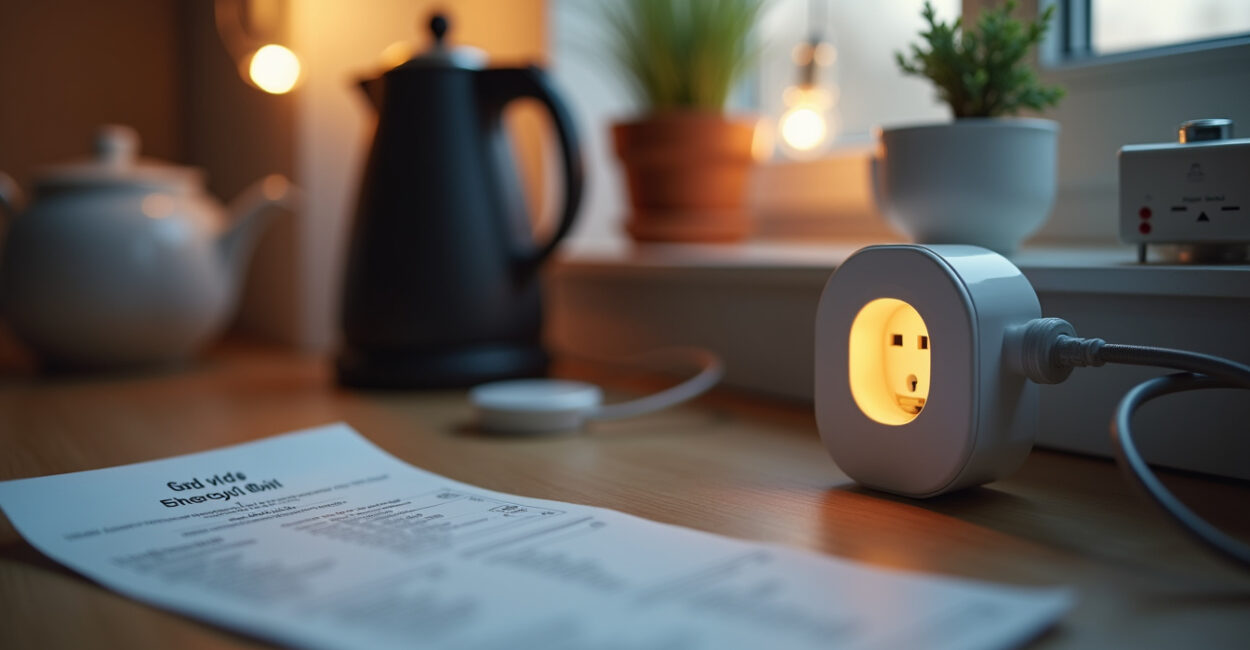
A smart plug is one of the few home upgrades that can feel high-tech without touching the walls, rewiring anything, or asking your landlord for permission. For renters, that matters: the best smart plugs for renters without a hub are the ones that connect over Wi‑Fi, fit behind furniture, and disappear when you move out.
The real win is convenience without infrastructure. No hub means no extra bridge box, no Ethernet cable, and no extra point of failure sitting on a shelf. In this guide, I’ll show you how these plugs work in apartments and rentals, what setup actually looks like, which features matter most, and where the shortcuts turn into headaches.
O Que Você Precisa Saber
- Hub-free smart plugs connect directly to your Wi‑Fi, so setup usually takes minutes instead of a full smart-home buildout.
- For renters, the most useful features are compact design, app-based control, voice assistant support, scheduling, and power-loss behavior you can actually trust.
- Not every outlet or appliance is a safe match; high-wattage heating devices, loose outlets, and crowded power strips can create real problems.
- Privacy and reliability matter as much as convenience, which is why Wi‑Fi quality and app support should outrank gimmicky features.
- A plug that works perfectly in one apartment can fail in another if the router is weak, the outlet is recessed, or the device needs 2.4 GHz only.
Smart Plugs for Renters Without a Hub: What They Are and Why They Fit Apartment Life
Technically, a smart plug is a networked relay switch: it sits between the wall outlet and the appliance, then lets you turn power on or off through an app, voice assistant, or schedule. In plain English, it makes a dumb device act like a connected one. That’s why lamps, fans, coffee makers, and holiday lights are the classic use cases.
For renters, the appeal is simple. You get automation without installing switches, drilling into walls, or tying yourself to a landlord’s electrical setup. A no-hub model is even better in small spaces because it removes extra hardware from the equation. If your apartment already has decent Wi‑Fi, you can usually set everything up from your phone and stop there.
The tradeoff is that the plug depends on your wireless network and the brand’s app ecosystem. That means the plug is only as good as your router, the app’s support, and whether the device still works after an internet outage. For most apartment dwellers, though, that’s a fair exchange for low-friction automation.
What separates a useful smart plug from a frustrating one is not “smartness” at all; it is reliable local control, a compact body, and behavior that still makes sense when Wi‑Fi gets flaky.
How Hub-Free Setup Actually Works on Wi-Fi
The setup flow is usually the same across brands. You plug it in, install the manufacturer’s app, connect the plug to 2.4 GHz Wi‑Fi, name the device, and assign a routine or scene. Some brands also support Amazon Alexa, Google Home, or Siri Shortcuts, so you can use voice commands once the plug is linked.
That 2.4 GHz detail matters more than people expect. Many smart plugs do not connect to 5 GHz networks, and some apartment routers hide that limitation behind a single combined network name. If pairing fails, the issue is often not the plug; it is the router band, the password, or weak signal near the outlet.
What the First 10 Minutes Usually Look Like
- Plug the device into a standard outlet.
- Open the app and create an account if needed.
- Put the plug into pairing mode.
- Join the plug to your 2.4 GHz Wi‑Fi network.
- Rename it by room or appliance, such as “Bedroom Lamp.”
- Test on/off control from the app before adding automation.
When setup goes wrong, it is usually because the app wants too many permissions, the router blocks discovery, or the outlet is too far from the access point. I’ve seen renters blame the plug when the real issue was a cheap mesh node placed behind a metal TV stand. Location matters. A lot.
For a neutral overview of connected-device security, the FTC’s guidance on smart home device security is worth reading before you add more devices. For Wi‑Fi basics, the FCC’s home network guidance is a solid companion.

Features That Matter Most in a Rental
If you live in a rental, compactness and reliability beat flashy extras. A bulky plug can block the second outlet, which is annoying in small kitchens, bedrooms, and older apartments. A slimmer profile often matters more than power monitoring, especially if the outlet sits behind a dresser or sofa.
The Rental-friendly Features I Would Actually Prioritize
- No hub required: fewer parts, fewer pairing steps, less clutter.
- Compact body: preserves the second socket on a duplex outlet.
- 2.4 GHz Wi‑Fi support: more compatible with typical smart-home devices.
- Scheduling and timers: useful for lamps, fans, and morning routines.
- Voice assistant compatibility: helpful, but not essential if the app is good.
- Power-loss restore settings: important if you want the plug to return to its last state after an outage.
Power monitoring is nice, but do not let it distract you if your main goal is simple automation. A meter reading does not help much if the plug is bulky, slow to reconnect, or buggy after every router reboot. In a rental, convenience that works every day is more valuable than a graph you check once.
The best smart plug for a renter is the one you stop noticing after week one because it keeps doing the same thing, every time, without stealing the other outlet.
Safety, Load Limits, and What Not to Plug In
This is the section people skip, and it is the one that prevents the dumbest problems. A smart plug is not a magic power device; it is rated for a specific load, usually expressed in amps or watts. Many are fine for lamps and phone chargers, but not for heaters, portable air conditioners, or anything with a heavy startup surge.
Use Common Sense with Appliance Categories
- Usually safe: lamps, table fans, chargers, small humidifiers, string lights.
- Check the rating first: coffee makers, microwaves, compact appliances with heating elements.
- Usually avoid: space heaters, large window AC units, toasters, and high-draw kitchen gear.
If you want a neutral source on electrical safety, the Consumer Product Safety Commission’s electrical safety guidance is a good baseline. The short version: match the device to the load, do not overload a strip, and do not use a smart plug as a workaround for unsafe wiring. If the outlet feels loose or warm, stop there.
There is one nuance worth saying out loud: some manufacturers advertise a “15A” rating, but that does not mean every 15-amp appliance is a smart fit. Heat, continuous runtime, and local electrical quality all matter. A plug can be technically rated for a load and still be a poor idea in real-world use.
Voice Control, Scheduling, and Automation That Feel Natural
The best automations for renters are boring in the best way. Turn the bedroom lamp on at sunset, shut off the fan after two hours, or kill power to a vanity light when you leave for work. These are small changes, but they remove friction from the day without changing your apartment layout.
Where Automations Help Most
- Morning lamp routines that replace a harsh overhead light.
- Bedtime shutdowns for fans and decorative lighting.
- Vacation mode for lights that make the apartment look occupied.
- Energy-saving timers for devices you often forget to turn off.
Voice assistants like Alexa, Google Home, and Apple’s Siri can make control faster, but they are not the reason to buy the plug. The reason is consistency. If the app opens quickly, the schedule fires on time, and the plug reconnects after a router reset, the whole thing feels like part of the room instead of another gadget.
Privacy, App Quality, and Why Brand Choice Still Matters
With no-hub smart plugs, the app is the control center. That means the vendor’s privacy practices, update cadence, and account system matter more than most buyers realize. Some apps are clean and stable. Others are crowded, slow, and hungry for permissions they do not need.
Before buying, check whether the brand explains data handling clearly and whether it offers two-factor authentication or a transparent privacy policy. The NIST Cybersecurity Framework is not a shopping guide, but it gives a useful way to think about connected-device risk: identify, protect, detect, respond, and recover. That mindset applies even to a $15 plug.
In practice, the brands that age well are the ones with stable app support and plain-English setup docs. The ones that frustrate renters are usually the opposite: confusing pairing screens, broken firmware updates, or cloud dependence that makes a simple light schedule feel fragile.
How to Choose the Right Plug for Your Apartment Setup
The smartest purchase is usually the least dramatic one. Start by matching the plug to the room, not to a feature list. A lamp by the bed needs a compact plug with easy voice control. A window-side fan needs stable scheduling and a solid Wi‑Fi link. A vacation light needs scenes and reliable on/off behavior after outages.
A Quick Decision Framework That Actually Works
- List the appliance you want to automate.
- Check the wattage and continuous load.
- Measure whether a bulky plug would block the second outlet.
- Confirm 2.4 GHz support and app compatibility.
- Decide whether you need voice control or only app scheduling.
Here’s the test I like to use: if you would be annoyed to re-pair it after every move, buy a simpler one. Renters change apartments, routers, and sometimes whole buildings. A device that survives those transitions with minimal drama is the one worth keeping. That is also why the phrase “smart plugs for renters without a hub” really points to a practical feature set, not a marketing category.
When a No-Hub Plug is the Wrong Choice
These plugs are great for apartment-friendly automation, but they are not perfect. If your Wi‑Fi is weak, your router is locked down, or your building has thick walls and dead zones, a direct-to-Wi‑Fi plug can be less reliable than a hub-based system. In that case, the network burden shifts onto your existing home setup, and that can expose every flaw in it.
They are also not the best option for people who want large, mixed-device ecosystems with sensors, switches, and scenes across a whole home. A hub can still make sense for bigger setups, especially if you care about local control during internet outages. That said, for most renters, the extra box is overkill unless you already know you need it.
The rule of thumb is simple: if you want one or two devices to behave well in a rental, skip the hub. If you want a full system with sensors and automations across multiple rooms, compare the ecosystem before buying anything.
Próximos Passos
The most useful move is to start small and test one room first. Pick a lamp, fan, or other low-risk appliance, confirm the plug works on your Wi‑Fi, and see whether the app feels reliable for a full week. If the setup is smooth and the outlet stays usable, expand from there. If pairing is awkward on day one, that is a signal, not a fluke.
For apartment dwellers, the right upgrade is the one that improves daily life without leaving a footprint. Choose a compact, hub-free plug, verify the load rating, and keep the automation limited to things that should lose power safely. That is the difference between a neat trick and something you will still use six months from now.
Can I Use a Smart Plug in a Rental Without Asking My Landlord?
In most rentals, yes, because a smart plug does not alter the wiring or require installation. It is a plug-in accessory, not a permanent electrical modification. The only time you should pause is if your lease has unusual restrictions on electronics, or if the outlet itself is damaged and needs maintenance before use.
Do No-hub Smart Plugs Work If the Internet Goes Down?
Sometimes, but it depends on the brand and the control method. Many still let you use a physical button on the device, and some can remember schedules locally, but app control and voice commands usually need internet access. This is one of the places where no-hub convenience has a limit, especially if the manufacturer leans heavily on cloud services.
What Appliances Are Safest to Automate with a Smart Plug?
Low-wattage, non-heating devices are the easiest fit: lamps, fans, chargers, and decorative lights. Appliances with heating elements or strong startup loads need more caution because they can exceed the plug’s rating or create excess heat. Always check the device label and the plug’s maximum load before connecting anything.
Why Do So Many Smart Plugs Require 2.4 GHz Wi‑Fi?
2.4 GHz has better range and wall penetration than 5 GHz, which makes it a common choice for small connected devices. Many smart plugs are designed for that band because they do not need high data speeds, just a stable connection. If your router combines both bands under one name, pairing may still work, but some models get confused during setup.
Is a Hub Better Than a No-hub Smart Plug for Renters?
For most renters, no-hub is better because it is cheaper, simpler, and easier to move later. A hub becomes more attractive when you want many devices, more automation options, or local control during outages. If you only need a few plugs, the extra box usually adds more complexity than value.