Skip to content

The toaster still hums at night, the smart speaker never truly sleeps, and your electric bill quietly creeps up. Energy apps are the flashlight for those invisible drains — they spot phantom loads and flag the appliances that quietly bleed money. In the next scroll you’ll see which apps give fast wins, which ones bark alerts in real time, and which actually help you fix the problem without buying a PhD in wiring.
The One Metric That Separates Useful Energy Apps from Clutter
Not every app that shows watts is worth your time — the useful ones rank and explain. The top energy apps don’t just chart consumption; they translate it into actions: “This fridge costs $45/month,” or “Unplugging this standby box saves $0.80/day.” Look for apps that combine device recognition, historical baselines, and cost estimation. Features to prioritize:
- Appliance-level disaggregation (can identify devices without extra hardware)
- Cost conversion by tariff and time-of-use
- Baseline comparison so you know what “normal” looks like
Apps that stop at raw numbers leave you guessing; the winners tell you what to do next.
Which Apps Actually Detect Phantom Loads — And How Reliable Are They?
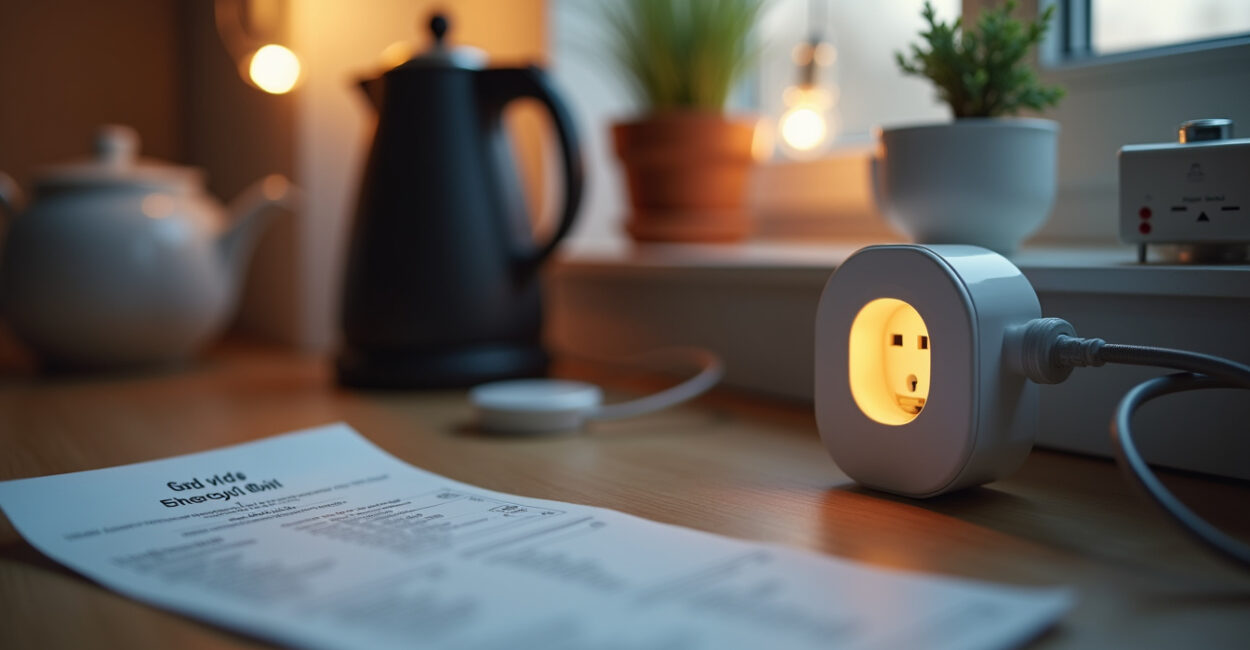
Phantom loads are tiny individually but huge in aggregate; the best apps catch them within watts, not just kilowatts. Some apps pair with smart plugs or whole-home monitors (Sense, Emporia, Neurio-style systems) and use machine learning to identify device signatures. Others rely on smart plugs for per-outlet accuracy. Expect trade-offs:
- Whole-home disaggregation: low friction, varying accuracy
- Per-plug monitoring: high accuracy, more setup and cost
Accuracy improves with time as the app learns patterns; early weeks might throw false positives — patience pays.

Real-time Alerts That Don’t Annoy You — What to Expect
Good alerts are calm, actionable, and rare enough to matter. Look for apps that let you customize thresholds and quiet hours. Useful alert types:
- Sudden spike alerts (possible short or appliance failure)
- Persistent phantom load notices (device left in standby)
- Cost-threshold alerts (you’re about to exceed your monthly goal)
Apps linked to home automation can take action automatically — turning off a plug or nudging your thermostat — but only if rules are sensible. Too many pings and you’ll dismiss the ones that matter.
Comparison: What Features Give the Fastest Savings (and Which Are Hype)
Expectation vs. reality — some features sound futuristic but rarely deliver quick wins. Here’s a short reality check:
- Expectation: AI will instantly recognize every device. Reality: It usually needs weeks and occasional manual labeling.
- Expectation: Solar + battery integration will cut bills dramatically. Reality: Savings depend on your tariff and panel size.
- Expectation: One app will cover everything. Reality: You might need a smart plug app plus a whole-home monitor for the best view.
Fast wins come from clear, simple data: identify the top 3 energy hogs, schedule or automate them, and unplug vampire devices. That’s often 60–80% of the impact.

Errors People Make When Using Energy Apps (and What to Avoid)
Most mistakes aren’t technical — they’re behavioral. Common errors:
- Trusting initial readings without a two-week validation window.
- Ignoring cost-settings — if your app doesn’t use your exact rate, savings estimates can be off by 30%.
- Over-automating: scheduling everything to “eco” can create comfort problems and get you reverting changes.
- Buying expensive hardware before trying software-based disaggregation first.
Avoid these and you’ll get reliable, actionable insight much faster.
Mini-story: One家庭’s Quick Win — And How an App Made It Obvious
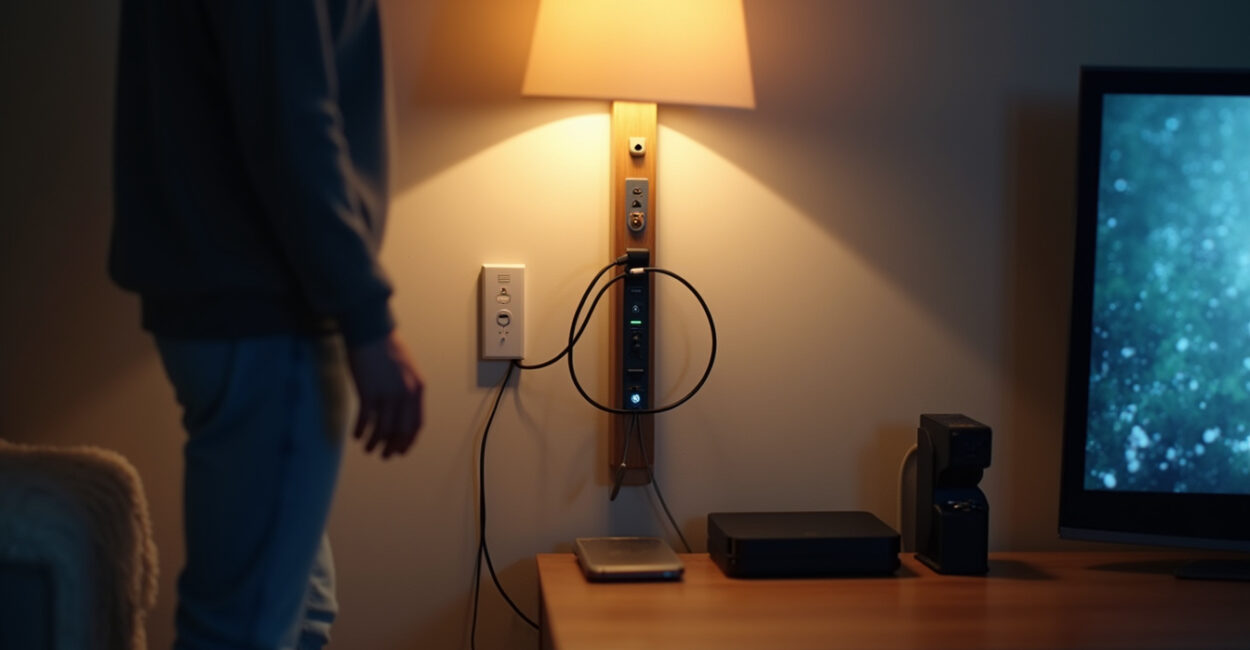
The meter-timer graph looked normal until the app flagged a persistent 12-watt draw at night. The family assumed it was the router, but the app’s timeline matched their living room motion sensor pattern. The culprit: an old gaming console in standby and a set-top box left on “quick boot.” They moved both to a smart strip and saved $180 that year. Small, precise changes beat sweeping overhauls.
How to Choose the Right Energy App for Fast, Practical Wins
Pick the tool that matches the change you’re willing to make in the next 30 days. If you want immediate per-outlet control, choose smart-plug-based apps. If you prefer low-effort, go for whole-home monitors with strong disaggregation and cost modeling. Before buying:
- Check device recognition accuracy and read real-user reviews
- Confirm tariff customization for honest cost estimates
- Look for integrations with smart plugs, Home Assistant, or IFTTT
For research-backed energy behavior guidance, see resources from the U.S. Department of Energy and consumer studies like those at ENERGY STAR.
Want a final nudge? The most common invisible saver isn’t a tech upgrade — it’s a habit: labeling and scheduling the three worst offenders. Do that this week and the app will pay for itself in credibility.
How Accurate Are Energy Apps at Identifying Specific Appliances?
Accuracy varies: per-outlet monitoring with smart plugs typically identifies appliances very accurately from day one, while whole-home disaggregation improves over weeks as the system learns signatures. Factors that affect accuracy include overlapping device signatures (two devices with similar cycles), background noise on the electrical network, and how much labeled data you provide. Expect about 70–90% accuracy for large, distinctive loads (HVAC, water heater) and lower confidence for small or intermittent devices unless you add per-plug sensors or manual labels to assist the model.
Can Energy Apps Really Reduce My Monthly Bill — And by How Much?
Yes — but the size of the reduction depends on where your waste is. If phantom loads and standby devices are common in your home, targeted fixes can cut 5–15% quickly; resolving inefficient appliances or optimizing HVAC schedules can push that to 20–30% annually. The fastest savings come from identifying the top three offenders and fixing them: unplugging, scheduling, or replacing an old appliance. Apps that convert consumption into dollars make these decisions easier by showing immediate cost impact rather than abstract kWh numbers.
Do I Need Special Hardware to Use Energy Apps Effectively?
Not always. Some energy apps use machine learning on whole-home data and can provide useful insights without extra hardware, though they may take time to reach reliable accuracy. For per-appliance precision, smart plugs or clamp-style whole-home monitors are recommended. The choice depends on your goals: if you want frictionless setup and an overall view, start with software-only options; if you want exact savings per device and immediate confidence, invest in a few smart plugs or a reputable whole-home monitor to complement the app.
Are There Privacy or Security Risks with Energy Monitoring Apps?
Yes, energy monitoring reveals behavioral patterns (when you’re home, sleeping, or on vacation), so choose apps that encrypt data in transit and at rest, allow data export or deletion, and have transparent privacy policies. Prefer companies with a clear stance on data sharing and those that don’t sell behavioral profiles. If integrating with smart home platforms, lock down your network and use strong passwords; a compromised hub can expose device states. Treat energy data like any other sensitive home telemetry and apply basic cybersecurity hygiene.
Which Features Should I Prioritize If I Want the Quickest Return on Investment?
Prioritize three things: accurate cost estimation (using your tariff), device-level visibility for the biggest loads, and actionable alerts that suggest fixes. These features turn insight into dollars and habits. A short two-week pilot that identifies the top 3-5 energy hogs and lets you automate or schedule them will usually produce the fastest ROI. Avoid features that are flashy but non-actionable, like overly detailed charts without recommendations; the goal is to change behavior or control devices, not just admire graphs.