Skip to content

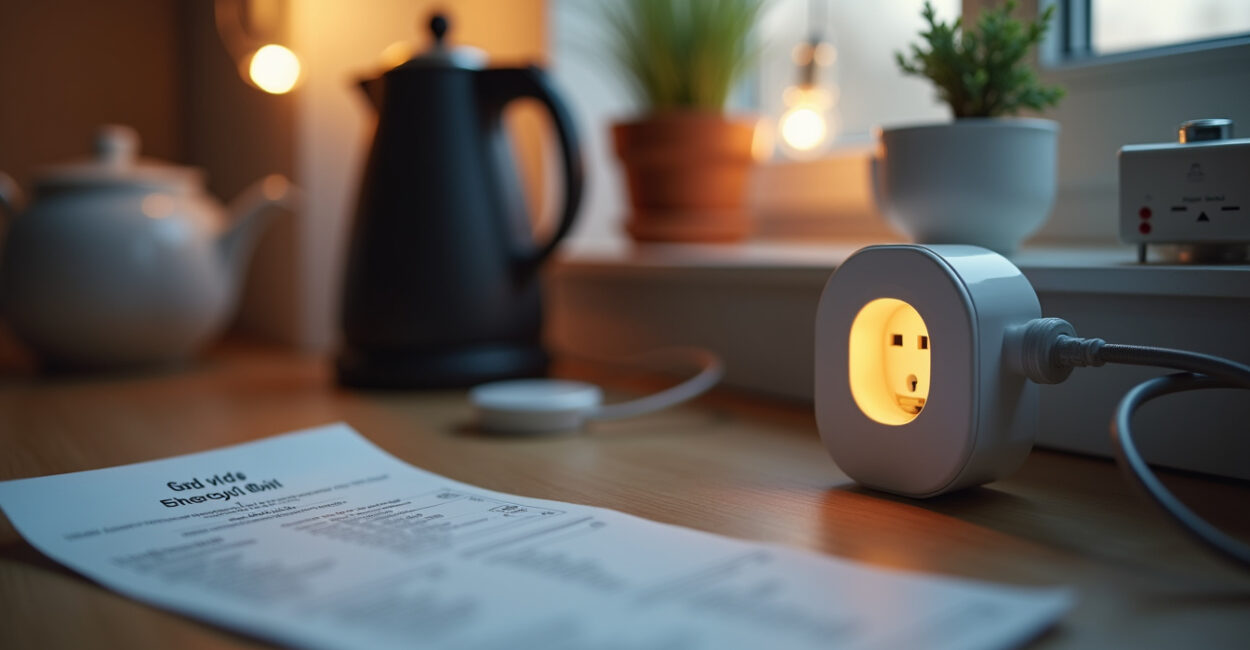
The wrong smart plug can waste an entire outlet before you even turn it on. That matters in studio apartments, behind nightstands, and on crowded power strips, where a bulky body can block the second socket and make a “smart” upgrade feel like a downgrade.
The best compact smart plugs for small spaces are the ones that keep their profile slim enough to leave neighboring outlets usable while still delivering reliable app control, voice assistant support, scheduling, and energy monitoring when needed. In this roundup, I’m focusing on models that solve the real apartment problem: limited space, messy wiring, and the need to fit two useful devices where one oversized plug would normally dominate the wall.
What You Need to Know
- A compact smart plug is defined by its physical depth and width at the wall, not by its app features.
- The best choices for tight spaces usually have a low-profile face, side-facing cord clearance, and a design that avoids covering adjacent receptacles.
- Wi-Fi smart plugs are the most practical for apartments because they do not require a separate hub or bridge.
- If you use a power strip, the plug’s shape matters more than its brand name; a small footprint can be the difference between one usable outlet and two.
- Not every slim plug is worth it: some run hotter, block USB ports, or sacrifice button access to save a few millimeters.
Best Compact Smart Plugs for Small Spaces: What Actually Fits in Tight Outlets
“Compact” is not a marketing vibe; it is a physical constraint. A smart plug is compact when its housing stays narrow enough to avoid blocking adjacent outlets and shallow enough to keep furniture from pressing into the plug body.
That distinction matters because many popular models look small in product photos and feel huge once they meet a wall plate with two sockets stacked close together. In practice, the best compact design is the one that disappears into the outlet layout instead of dictating how you arrange lamps, chargers, and routers.
Two Measurements Matter More Than the REST
Check the plug’s width and depth first. Width determines whether it crowds the neighboring receptacle, while depth determines how far it protrudes into the room or behind furniture. A plug that is only “short” vertically can still be terrible in a narrow outlet if the body is too thick from side to side.
For apartment use, I look for a shape that leaves at least one neighboring socket fully accessible and a front face that does not stick out far enough to get bent by cords. That is the difference between a neat setup and the kind of half-working outlet situation you end up resentfully living with for months.
On a crowded wall plate, a smart plug’s real value is not just automation; it is how much usable outlet space it preserves after installation.
How I Judge Slim Smart Plugs Beyond the Box
Specs matter, but the best test happens after you plug the device in. A smart plug can have all the right features and still be annoying if the body is too wide, the pairing is flaky, or the app takes three taps to do something simple.
I prioritize five things: footprint, reliability, app experience, ecosystem support, and heat management. If a plug fails any one of those in a small apartment, the inconvenience gets amplified fast because there is nowhere else to move it.
| What to check | Why it matters in small spaces | Good sign |
|---|---|---|
| Width at the wall | Prevents outlet blockage | Leaves the second socket usable |
| Depth from wall | Helps behind furniture and beds | Low protrusion, clean cable exit |
| Wi-Fi stability | Reduces resets and re-pairing | Connects quickly on 2.4 GHz |
| Manual button access | Useful during app issues | Button is reachable, not recessed |
| Heat behavior | Critical near curtains and furniture | Stays only mildly warm under load |
If you want an external benchmark for Wi-Fi and smart home reliability, the National Institute of Standards and Technology is a strong starting point for understanding connected-device security and interoperability. For apartment dwellers thinking about energy use, the U.S. Department of Energy has practical guidance on reducing standby power waste. And if you want a broader consumer-safety perspective on electrical products, the Consumer Product Safety Commission is the place to check recalls and safety alerts.

The 7 Best Compact Smart Plugs for Small Apartment Setups
These picks are aimed at real-world apartment layouts: wall sockets tucked behind couches, outlet strips under desks, and lamp corners where every millimeter counts. I am leaning toward plugs that are not just smart, but easy to live with.
1. Kasa Smart Wi-Fi Plug Mini
This is the safest all-around pick for most apartments because it is genuinely small, easy to set up, and works well with Alexa and Google Assistant. The body stays slim enough to preserve a second outlet in many wall plates, which is exactly what you want near a bedside table or kitchen counter.
Its biggest strength is balance. It does not try to be the smallest plug on paper at the cost of app stability. For everyday lights, fans, and coffee makers, that trade-off makes sense.
2. Amazon Smart Plug
If your apartment already runs on Alexa routines, this one is almost frictionless. It is not the absolute thinnest option in every dimension, but its compact shell and simple setup make it practical for people who want a plug that just works without ecosystem juggling.
Where it shines is reliability. Where it falls short is flexibility, because it is built around Amazon’s ecosystem and is less appealing if you use a mixed setup with Apple Home or Google Home.
3. Govee Smart Plug Mini
Govee tends to do well in tight spaces because the Mini line keeps the footprint restrained while offering decent scheduling and grouping features. I like it for desk lamps, decorative lighting, and small apartment corners where you want automation without a heavy device hanging off the wall.
It is a good reminder that compact does not have to mean stripped down. The app is a little busier than some competitors, but the hardware shape is friendly to crowded outlets.
4. Meross Smart Mini Plug
Meross has become a favorite for people who want a slim plug with broad platform support. It usually fits neatly behind furniture and performs well for lamp control, space heaters with appropriate ratings, and seasonal decor.
The nice part is that it often feels designed for real homes, not showroom demos. The mild downside is that app polish varies by product generation, so it is worth checking that you are getting the current model.
5. Eve Energy
Eve Energy is the one I would choose if HomeKit matters more than bargain pricing. It is compact, premium, and especially appealing for Apple users who want strong local control and, on some versions, energy monitoring.
Its value shows up most clearly in a tidy apartment automation setup. If your home is mostly iPhone, Home app, and Siri, this is one of the cleaner-looking and better-integrated choices.
6. TP-Link Tapo P125M
Tapo has been moving in the right direction for small-space use, and this model lands in a very useful middle ground: compact enough for everyday apartment outlets, but not so minimal that it feels compromised.
I’d recommend it to anyone who wants a straightforward plug for lights and small appliances without paying extra for niche features they will never use. It is a solid “buy once, set routines, forget about it” option.
7. EIGHTREE Smart Plug Mini
This is a practical budget pick when you need several plugs for one small apartment and do not want each one to feel bulky. It tends to be a smart buy for lamps, holiday lights, and low-drain accessories.
Budget models are where I become most cautious, though. The design can be fine and the app can be serviceable, but support quality and long-term firmware consistency are where cheaper brands sometimes show their limits.
The best compact smart plug is the one that preserves the second outlet, not the one that wins a spec sheet by a few millimeters.
Which Features Matter Most in a Crowded Apartment
Small spaces magnify trade-offs. A feature that seems optional in a house with spare outlets can become essential when your desk, lamp, and router all share one wall plate.
Wi-Fi Only is Usually Enough
For apartment use, a direct Wi-Fi plug is often the simplest choice because it avoids a hub. You get app control, schedules, and voice commands without dedicating shelf space to another box. That is one reason compact Wi-Fi models dominate this category.
Energy Monitoring is Useful, but Not Mandatory
Energy monitoring matters if you are tracking a desktop setup, a dehumidifier, or a device you suspect is wasting power overnight. Still, it adds complexity and sometimes cost. If your goal is just to automate a bedside lamp, you do not need it.
Apple Home, Alexa, and Google Home Support Are Not Equal
Compatibility is not a checkbox; it affects how often you actually use the device. If your home is already built around one ecosystem, choose a plug that fits that stack first. Mixing platforms can work, but it adds friction, especially when you only own a few smart devices.
A small but real example: I once helped a friend set up a tiny one-bedroom where the only free outlet behind the bed was half-hidden by a frame and a basket. The first plug they bought blocked the other socket completely, which meant the lamp worked but the alarm clock died. Swapping to a slimmer mini plug solved the issue in two minutes. That is the whole game in small apartments: a better-shaped plug can save a perfectly good outlet from becoming dead weight.
When a Slim Smart Plug is the Wrong Choice
There is a limit to how much miniaturization helps. If you need to control a high-load appliance, use a plug with the correct electrical rating and do not choose a compact model just because it looks neat. Heat, amperage limits, and cord strain matter more than aesthetics.
That caution is not theoretical. A plug that stays hidden behind a curtain, tucked into a carpet edge, or pressed tightly into a power strip can create more risk than convenience. The National Fire Protection Association’s home electrical safety guidance is worth reading before you stack multiple connected devices in one area: NFPA safety resources.
Also, not every smart plug should be used with space heaters, portable AC units, or overloaded extension cords. In those cases, I would rather have a simpler, appropriately rated outlet solution than a tiny smart feature that adds another layer of failure.
Setup Tips That Make Small-Space Smart Plugs Less Annoying
Most problems happen after purchase, not before. The plug is fine; the placement is terrible. In a small apartment, the placement strategy matters almost as much as the product itself.
- Put the plug in the lower outlet when a wall plate is vertical and your furniture sits close to the wall.
- Avoid stacking smart plugs on the same crowded power strip unless the strip spacing is generous.
- Use scheduling for lamps and fans so you touch the app less often.
- Test the manual button before routing cords behind furniture.
- Keep a little air gap around any plug that runs warm under load.
One more practical note: if your apartment has older receptacles, a slim plug can still feel loose or awkward if the outlet itself is worn. That is not the smart plug’s fault, but it affects day-to-day use, so it is worth checking before you blame the device.
What to Buy Depending on Your Apartment Setup
If your priority is pure fit, choose the slimmest mini plug from a reputable brand and skip the extra features. If your priority is automation with minimal hassle, pick the model that best matches your smart home ecosystem. The real win is not finding the most feature-rich device; it is finding the one that disappears into your room layout.
For a studio, I would usually start with two or three compact plugs for the most-used lamps and leave the rest of the apartment alone. For a one-bedroom with a crowded entertainment area, I would prioritize the outlet behind the TV and the bedside charging zone first. That order gives you the most payoff for the least clutter.
If you are comparing options today, treat footprint, platform support, and safety rating as the non-negotiables. Everything else is secondary.
Practical Next Steps for Choosing the Right Mini Plug
The smartest purchase is the one that fits your actual outlet layout, not your wishlist. Measure the wall plate, check whether the plug will sit beside another active socket, and decide which ecosystem you already use every day. That simple sequence will eliminate most regrets before you spend a cent.
For a quick decision, shortlist two compact models, compare their dimensions, and verify that the rated load matches the device you want to automate. Then buy the one that preserves the most usable space. That is the real standard in apartment life, and it is the difference between neat automation and another piece of clutter.
Frequently Asked Questions
What Makes a Smart Plug Truly Compact?
A truly compact smart plug has a narrow body, low protrusion from the wall, and a shape that does not block the neighboring outlet. The label “mini” helps, but the real test is whether you can still use the second socket after installation. In small apartments, that physical fit matters more than extra software features.
Are Compact Smart Plugs Safe to Use Behind Furniture?
Yes, if the plug has the correct electrical rating, enough ventilation, and is not being pushed hard against upholstery or a wall. The risk goes up when heat builds up or cords are bent sharply. A compact model can be safer than a bulky one in a tight spot, but only if you still leave enough clearance for air circulation.
Do Slim Smart Plugs Usually Support Alexa and Google Home?
Most mainstream compact smart plugs do support Alexa and Google Home, and many also work with Apple Home or HomeKit. The exact support depends on the brand and model, so it is worth checking before buying. If you already use one ecosystem heavily, choose a plug that integrates cleanly with that system to avoid setup friction later.
Should I Choose Energy Monitoring in a Small Apartment?
Only if you have a real use for it, such as tracking a desk setup, checking a dehumidifier, or spotting standby power draw. Energy monitoring adds value, but it is not necessary for basic lamp or fan automation. For many apartment setups, a smaller and simpler plug is the better choice because it keeps the system easier to manage.
Can I Use One Compact Smart Plug on a Power Strip?
Yes, but spacing becomes the deciding factor. A compact plug works well on a power strip only if it does not cover neighboring sockets or force cords into awkward angles. If your strip is already crowded, a slim plug is often the only style that makes the arrangement usable without buying a bigger strip.