Skip to content

A small kitchen can generate a surprising amount of trash: packaging, spoiled produce, half-used leftovers, and “temporary” storage solutions that never work as well as you hoped. The good news is that low-waste kitchen habits for renters do not require renovations, custom cabinets, or a perfect plastic-free setup. They rely on routines, not hardware.
If you live in an apartment, share a fridge, or move often, the goal is not perfection. It is to reduce kitchen trash, make sustainable food storage fit a tight space, and keep grocery shopping and meal prep realistic. That means choosing renter-friendly kitchen habits that save money, protect food, and still work when your lease is temporary.
In a Nutshell
- Low-waste kitchen habits work best in rentals when they focus on routines, not permanent upgrades.
- The best storage system for a small apartment is the one you will actually use every day, not the most “eco” one on paper.
- Packaging waste drops fastest when you shop with a list, buy only what fits your week, and favor refill or loose-bin options where possible.
- Leftover systems fail when they are not visible, labeled, and eaten within a clear time window.
- Minimal tools beat crowded drawers: a few reusable containers, a sharp knife, and one flexible prep bin usually outperform a cabinet full of gadgets.
What Low-Waste Kitchen Habits for Renters Look Like in a Small, Temporary Space
In technical terms, a low-waste kitchen is one that minimizes avoidable material loss across food storage, cooking, and disposal. In plain English, that means less packaging, less spoiled food, less single-use clutter, and fewer items you buy twice because the first version did not fit your space.
The renter-friendly version is narrower: you work with removable, reversible habits. No drilling. No built-ins. No expensive pantry system that only makes sense in a house. The point is to reduce waste with repeatable decisions that fit a small apartment kitchen storage setup.
Low-waste living in a rental works when the system fits the space you actually have, not the space you wish you had.
What “low-waste” Really Means Here
For renters, low-waste is not “zero waste.” It is a practical reduction in trash and food loss without making permanent changes to the kitchen. That includes using what you buy, storing it well enough to avoid spoilage, and choosing packaging only when the unpackaged option is less realistic or more wasteful for your situation.
That distinction matters. A bulk-bin program may be ideal in theory, but if the store is far away and you end up overbuying, the waste shifts from packaging to food. The better choice is the one that lowers total waste, not just one category.
Why Rentals Need a Different Approach
Rental kitchens often have limited counter space, shallow cabinets, weak fridge organization, and no control over the layout. That is why generic zero-waste advice can miss the mark. A mason-jar-heavy system looks neat online, but in a cramped fridge it may create more friction than it solves.
What works better is a simple routine: one shelf for leftovers, one bin for produce that needs to be used first, and one or two reusable containers for transit and storage. It is modest, but it is durable.
Smart Food Storage Swaps for Small Apartments
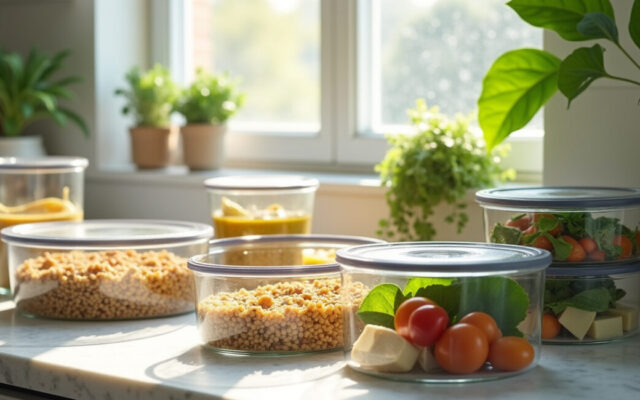
The best food storage for a small kitchen is the one that lets you see what you own, stack efficiently, and seal well enough to protect food. For renters, that usually means a small set of reusable containers for renters, a few clear bins, and storage habits that do not depend on a perfect pantry.
If you want a place to start, prioritize visibility and fit over matching materials. Clear containers, shallow bins, and stackable lids often do more to reduce food waste than a prettier, heavier system.
Containers That Earn Their Space
- Glass or BPA-free plastic containers with tight lids for leftovers and meal prep.
- Shallow bins for produce and snack items so food does not disappear behind taller packages.
- Silicone bags for chopped vegetables, cheeses, or freezer portions if you use them often enough to justify the cost.
- Small clips or tight bands for resealing dry goods when you are not ready to decant everything.
Not every plastic-free kitchen swap is worth it. For example, cloth produce bags are useful if you shop loose produce weekly, but they are not magic. If your grocery run is rushed and you forget them half the time, they become another object instead of a solution. That is the kind of nuance renters need to respect.
Make the Fridge Do More of the Work
Put the “eat first” items at eye level. Keep cooked grains, cut fruit, and open condiments in the same zone so they are easy to grab. In practice, what happens is simple: the food you can see gets eaten; the food you cannot see quietly dies in the back.
The USDA’s food safety guidance is useful here because storage is not only about reducing waste; it is also about keeping food safe long enough to use. Their refrigerator and leftover guidance at USDA FSIS leftovers and food safety is a solid reference for timing and handling.
One-bag, One-bin, One-shelf Logic
In a tiny apartment, storage works better when you assign a specific job to each zone. One bag for lunch transit, one bin for produce, one shelf for leftovers. You do not need a “system” in the influencer sense. You need a repeatable place to put things so they do not become mystery food.
| Storage choice | Best use | Why it works in rentals |
|---|---|---|
| Clear reusable containers | Leftovers, chopped produce, lunch prep | Visible, stackable, easy to pack |
| Shallow fridge bin | Items that need to be used first | Prevents food from getting buried |
| Silicone bag | Freezer portions or wet ingredients | Useful if you reuse it often |

Lower-Waste Grocery Shopping Habits That Cut Packaging
Low-waste grocery shopping starts before you leave home. Write a list, check what is already in the fridge, and buy for a specific number of meals. That one habit reduces packaging waste, overbuying, and the classic “I had good intentions, but the herbs wilted” problem.
This is also where renters often save the most money. Food waste is expensive because it combines the price of the food, the packaging, and the disposal. Planning for the week instead of shopping emotionally is one of the easiest sustainable kitchen habits to keep.
Buy with a Use Plan, Not a Mood
Every item should have a destination. If you buy lettuce, know which three meals will use it. If you buy tortillas, know whether they become wraps, breakfast tacos, or freezer backups. This is the difference between a grocery haul and a storage problem.
A practical grocery list groups items by shelf life: eat-first produce, midweek items, and pantry staples. That structure helps you avoid the common renter mistake of buying too many “fresh” ingredients for a kitchen that cannot absorb them.
Packaging Decisions That Actually Matter
Not all packaging is equally bad. A paper bag with fragile produce that spoils in two days can create more waste than a slightly heavier package that protects food and extends shelf life. The goal is not purity; it is better net results.
When possible, choose bulk, loose produce, refill stations, or larger formats of pantry staples you genuinely use. When those are not realistic, pick the package that best protects the food and matches your cooking habits. That is a more honest version of sustainable food storage and shopping.
The best packaging choice is the one that prevents the most total waste, not the one that looks most eco-friendly at checkout.
Use Stores and Programs Already Built for Waste Reduction
Many cities now have grocery stores with bulk bins, refill sections, or take-back programs for certain materials. The EPA’s guidance on reducing wasted food at home is a useful benchmark for the bigger picture: buy less, store better, and keep edible food from becoming trash.
For some renters, a farmers market or co-op is worth it; for others, the local supermarket is better because it is closer and leads to fewer impulse purchases. Proximity matters. A perfect system you cannot maintain is not a system.
Leftover Habits That Help You Use More and Throw Away Less
Leftovers become waste when they are vague. They need a clear container, a label, and a deadline. If you want the easiest way to store leftovers in a small apartment, keep them visible and give them a job in the next meal, not “someday soon.”
This is one of the most effective leftover storage ideas because it does not rely on motivation. It relies on friction reduction. The easier it is to identify what the food is and when it must be eaten, the less likely it is to disappear in the back of the fridge.
The 3-step Leftover Rule
- Cool quickly. Move food into shallow containers so it drops in temperature faster.
- Label clearly. Write the item and date on tape or the lid.
- Assign a next use. Turn rice into fried rice, roasted vegetables into a grain bowl, and chicken into soup or tacos.
The FDA’s food storage chart is worth bookmarking because safe timing matters as much as convenience. Its FoodKeeper reference helps you estimate how long foods keep in the fridge, freezer, or pantry.
Build “leftover Bridges” Into Your Week
A leftover bridge is a meal that intentionally uses parts of the last one. Roast vegetables one night, then fold them into eggs, pasta, or wraps the next day. Cooked beans can move into soups, salads, or burrito bowls. This keeps food in motion instead of sitting still until it spoils.
Here is a real-life example: a renter with one small fridge shelf kept losing half a container of rice and two vegetables each week. The fix was not a bigger fridge. It was a Sunday rule: every cooked grain goes into a labeled container, and every leftover gets assigned to lunch before anything else is cooked. Waste dropped fast because the food stopped being invisible.
Know When Leftovers Stop Being Worth Saving
Not every leftover deserves another round. If a dish already tastes flat, has a texture you do not like reheated, or has been in the fridge too long, composting or discarding it may be the cleaner decision. That is not failure; it is waste triage.
There is also a safety limit. Cream-based sauces, cut melon, cooked rice, and seafood need stricter handling than sturdy vegetables or baked goods. This is one place where the method works well in ordinary weeks but fails when people ignore temperature control or hold food too long.
Tiny-Space Meal Prep Routines That Reduce Food Waste
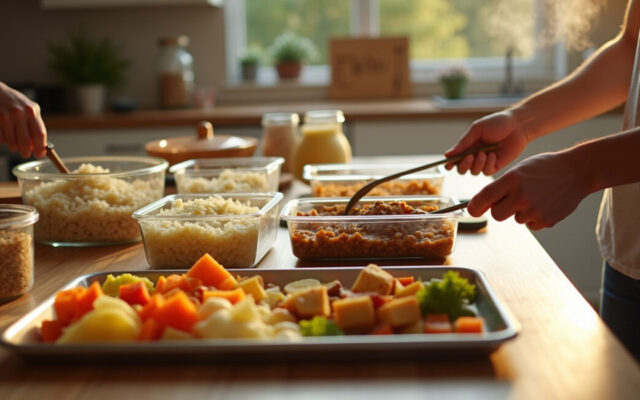
Low-waste meal prep for renters is not a giant Sunday assembly line. It is a short prep routine that makes the next 3 to 4 days easier without filling the whole counter. Wash, chop, portion, and store only what you can realistically use.
The aim is to reduce decision fatigue and spoilage at the same time. A tiny prep session can do more than a large one if it matches your actual schedule.
Prep Only the Highest-risk Items
Start with the foods most likely to be wasted: herbs, greens, berries, mushrooms, and leftovers. Those items fail faster than pantry staples, so they deserve the first round of attention. If you are short on time, skip the perfect batch-prep idea and focus on the foods that are on the edge.
This is where a lot of renters get stuck. They try to prep an entire week, then lose interest by Tuesday. A tighter system works better: one washed vegetable, one ready protein, one grain, one sauce.
Use One Prep Bin and One Cleanup Path
Keep a small prep bin with the containers, knife, cutting board, and labels you use every week. When everything lives in one place, prep gets easier to start and faster to finish. In a rental kitchen, that matters more than having a beautiful drawer set.
Pair prep with cleanup. The fastest way to avoid waste is to make it easy to reset the kitchen after each session. If the counter stays clean, you are more likely to prep again next week.
Choose Staples That Flex Across Meals
- Rice or quinoa for bowls, soups, and stir-fries
- Eggs for breakfast, fried rice, and quick dinners
- Beans or lentils for salads, tacos, and stews
- Yogurt or hummus for sauces, dips, and snacks
The best staples are the ones that do not trap you in one recipe. That flexibility reduces waste because ingredients can move into several meals before they go bad. It also makes shopping lighter, which matters when your fridge is small and your cabinets are shallow.
Renters’ Tools and Containers Worth Keeping Minimal
Minimal gear is not about deprivation. It is about avoiding duplicate functions. A renter does not need six specialty containers, four kinds of wrap, and a drawer full of gadgets. A few reliable tools are enough to support sustainable kitchen habits.
Think in terms of function. One container that seals well is better than three that leak. One sharp knife is better than a block of dull ones. One bowl that works for prep, serving, and storage is better than a stack of fragile duplicates.
The Short List That Pulls Real Weight
- 2 to 4 stackable containers for leftovers and lunch prep
- 1 washable produce bin for food that needs to be used first
- 1 or 2 silicone bags if you freeze food often
- 1 label system such as tape and a marker
- 1 compact shopping tote that stays near the door
If you want to see how this fits into a broader eco-minded setup, the same practicality shows up in green cleaning swaps that do not overcrowd the home. The lesson is the same: keep only what you actually use.
What is Worth Skipping
Skip oversized pantry canisters if you buy small quantities. Skip a compost caddy if you do not have a real composting option or a service you will use consistently. Skip “zero-waste” products that create more maintenance than the waste they save.
There is no prize for owning the most eco-branded kitchen items. A renter who uses a handful of durable tools well usually beats someone with an expensive but awkward setup.
Easy Weekly Habits to Maintain a Low-Waste Kitchen
The easiest sustainable kitchen habits are the ones tied to a weekly rhythm. You do not need constant discipline if you build small check-ins into the week: one fridge scan, one grocery reset, one leftover sweep, one quick prep session.
That rhythm lowers waste without demanding a full lifestyle overhaul. It also makes your kitchen feel calmer, which is underrated. Less clutter usually leads to better use of food because you can actually see what is there.
A Renter-friendly Weekly Reset
- Check the fridge before shopping.
- Move “eat first” items to the front.
- Write one short meal plan around what needs using.
- Rinse, dry, and store reusable containers immediately.
- Set aside one shelf or bin for leftovers only.
If you already use a home cleaning rhythm, pair this reset with your kitchen wipe-down routine. A cleaner fridge and counter make it easier to spot wasted food early. For households that want a more natural cleaning approach, the article on homemade kitchen cleaners with vinegar fits neatly alongside these habits.
Measure Progress the Practical Way
Do not track “eco points.” Track what leaves your kitchen as trash, what gets eaten on time, and how often you buy duplicate items you already had. A small drop in weekly food waste is real progress. So is one less trash bag a month.
That kind of progress is easier to sustain than a perfect system. And for renters, sustainability has to survive moving day, a new roommate, or a fridge that is smaller than the last one.
Próximos Passos
The smartest low-waste kitchen strategy for renters is not to chase every eco trend. It is to remove friction where waste starts: shopping without a plan, storing food poorly, and letting leftovers disappear. If a habit does not fit a small apartment, it is not a good habit for a renter.
Start with one change this week: tighten your grocery list, label leftovers, or create a single “eat first” bin in the fridge. Then keep the one that actually lowers trash and food loss. That is how a temporary kitchen becomes a more sustainable one.
FAQ
How Can Renters Reduce Kitchen Waste Without Making Permanent Changes?
Renters can reduce kitchen waste by changing routines instead of the kitchen itself. Focus on visible storage, smaller grocery runs, labeled leftovers, and a weekly fridge check before shopping. These habits do not require drilling, built-ins, or expensive upgrades, yet they cut food spoilage and packaging waste fast. The key is to make the easiest choice the low-waste choice.
What Are the Best Food Storage Options for a Small Rental Kitchen?
The best storage options are clear, stackable containers, shallow bins, and a small number of reusable bags or boxes that fit your fridge and cabinets. Visibility matters more than aesthetics, because food gets used when you can see it. Choose containers that seal well, stack neatly, and serve more than one purpose. If storage is awkward, even good containers become clutter.
How Do I Shop for Groceries with Less Packaging Waste?
Start with a meal plan and buy only what you can realistically use in the next few days. Choose loose produce, refill stations, or bulk items when they are convenient and truly practical for your schedule. The goal is not perfect package avoidance; it is reducing total waste. If a slightly more packaged item lasts longer and prevents spoilage, it may be the smarter choice.
What is the Easiest Way to Store and Reuse Leftovers in a Small Apartment?
Use shallow, labeled containers and keep leftovers on one dedicated fridge shelf or bin. Put the oldest food in front and assign each leftover a next use before the week gets busy. That could mean turning rice into fried rice, roasted vegetables into soup, or chicken into wraps. Leftovers are easiest to reuse when they are visible, dated, and tied to a specific meal.
Which Low-waste Kitchen Swaps Are Actually Worth It for Renters?
The swaps worth it are the ones you will use weekly: reusable containers, a produce bin, one shopping tote, labels, and perhaps a couple of silicone bags if you freeze food often. Skip bulky systems that need a permanent setup or constant upkeep. For renters, the best swap is usually a habit that replaces waste without creating another layer of storage, cleaning, or decision fatigue.