Skip to content

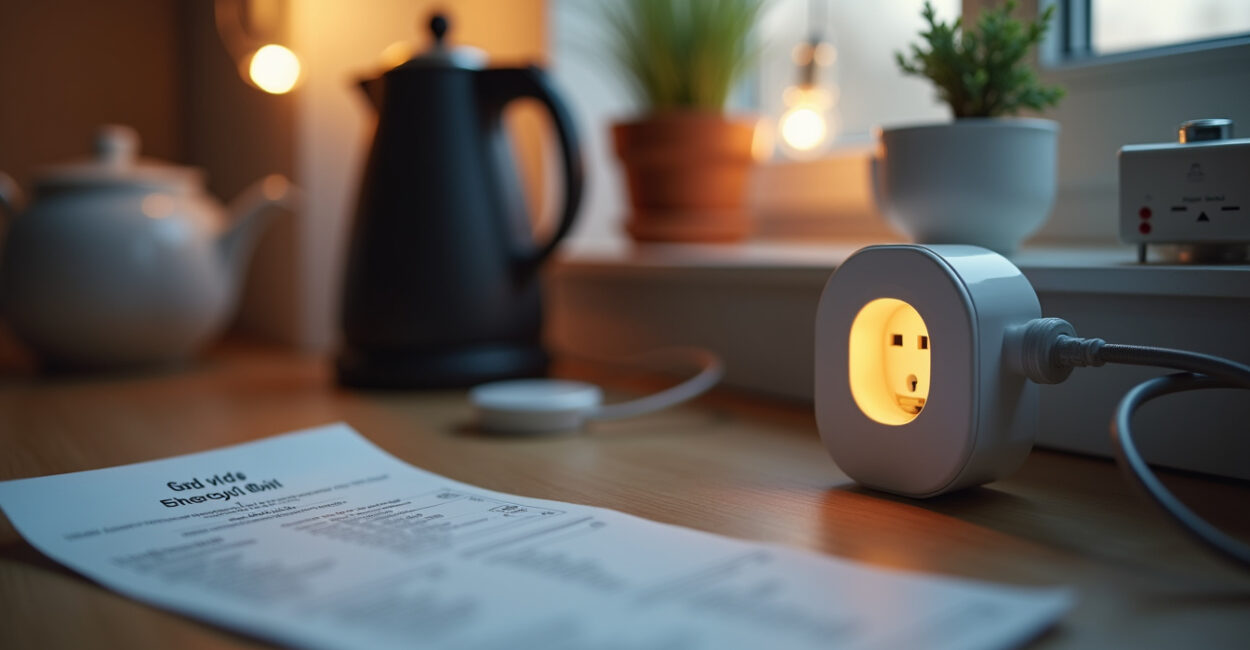
Small standby loads are a bigger waste than most people realize. A TV, game console, printer, or desktop setup may look “off” while still pulling power all day, every day. Smart power strips with automatic shutdown solve that problem by detecting when a primary device goes idle and then cutting power to the devices that no longer need it.
That matters because standby draw is sneaky: it rarely spikes a bill on its own, but across an entire house it adds up. The real value is convenience. You get lower wasted energy without having to remember to unplug half your setup each night. In the sections below, I’ll explain how the technology works, where it helps most, where it falls short, and how to choose one that fits real life instead of sounding good on a product page.
O Que Você Precisa Saber
- Automatic-shutdown power strips work by using a control outlet or sensor to decide when attached devices should lose power.
- The biggest savings usually come from entertainment centers, office desks, and shared charging areas with lots of idle electronics.
- The feature is useful, but it is not magic: devices with their own scheduling, memory, or network functions can behave differently after shutdown.
- The best units balance sensitivity, outlet layout, and surge protection instead of chasing the highest claim on the box.
- In the U.S., standby power reduction is a recognized efficiency strategy, and agencies such as the ENERGY STAR program and the U.S. Department of Energy have long highlighted the impact of idle loads.
How Smart Power Strips with Automatic Shutdown Cut Idle Power at the Outlet
Technically, this is a load-sensing or control-outlet system. One outlet acts as the “master” or “control” point, and the strip watches for a change in current draw, device state, or both. When the main device powers down or falls below a trigger threshold, the strip turns off the “switched” outlets that feed peripherals. In plain English: the strip notices that the main gear is no longer active and shuts off the sidekicks.
That’s why people often use these strips with a TV and its accessories, a desktop PC and printer, or a home office setup with speakers and monitors. The logic is simple, but the implementation varies. Some models use a current threshold. Others rely on a power button state, infrared sensing, or a timed idle cutoff. The better the detection, the fewer false shutdowns you get.
What separates a useful automatic-shutdown strip from a frustrating one is not raw intelligence; it is the quality of the trigger signal and the way the strip handles borderline idle states.
Master Outlet, Switched Outlets, and Sensor Logic
The master outlet is the anchor. Plug the main device into that outlet, and the rest of the strip follows its lead. If the master device drops below a set wattage, the strip assumes the session is over and cuts power to the switched outlets. This works well when the main device has a clear off state, like a TV or desktop tower, but it can be unreliable when a device idles with fluctuating draw.
That’s one reason engineers and reviewers pay attention to the trigger threshold. If it is set too high, the strip may shut down while a device is still in use. If it is set too low, it may never engage. The sweet spot depends on what you plug in.
Why Detection Method Matters in Real Homes
Not all “automatic shutdown” behavior is the same. A smart power strip may infer inactivity from power consumption, but a media center with a low standby floor can look active even when nobody is using it. On the other hand, a desktop with aggressive sleep settings may shut peripherals off too soon if the strip reads the idle drop too quickly.
That is why one-size-fits-all claims are misleading. A good model handles common household loads gracefully; a bad one turns into a guessing game.
Where Standby Savings Show Up Fastest in the Home
The biggest wins usually come from clusters of devices that are used together. One thing people underestimate is how many gadgets remain energized just because they are convenient to leave plugged in. In practice, the most promising setups are not the most glamorous ones. They are the boring, repeatable routines: turning off the TV, leaving the desk, finishing a charging session.
Entertainment Centers
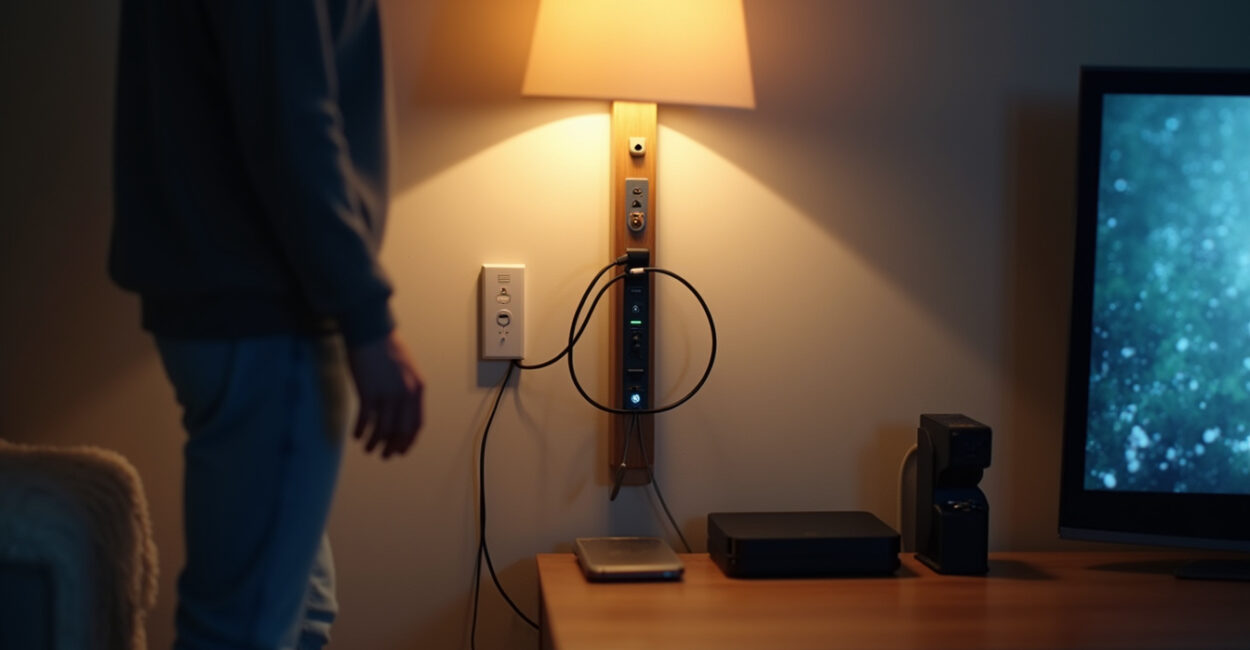
Televisions, streaming boxes, soundbars, consoles, and game accessories are classic candidates. When the main screen shuts down, the strip can kill power to devices that would otherwise sip electricity all evening. This is where a smart strip feels invisible in a good way: you stop thinking about it and the savings just happen.
Home Offices and Workstations
Desktops, monitors, printers, speakers, and docking stations often stay in standby longer than they should. A desk setup is also easier to manage because the usage pattern is predictable. If the computer is the master device, the strip can take care of everything else when the workday ends.
Charging Corners and Shared Spaces
Kitchen counters, mudrooms, and nightstands often collect chargers and small electronics that remain plugged in all the time. These areas benefit most when the strip is used as a habit shaper. When the trigger device is off, the rest goes dark too. That reduces clutter and keeps phantom draw from spreading across the room.
Automatic shutdown is most effective in places where devices are used in a fixed group, because the strip can follow a predictable pattern instead of guessing at random behavior.
For context on why idle loads matter, the National Institute of Standards and Technology has published research and guidance on energy efficiency and measurement methods, and the broader utility of low-standby products is well established across efficiency programs. The savings per device may look small, but they compound across a household.

Where the Feature Helps Less Than People Expect
This is where honesty matters. Automatic shutdown sounds universal, but it is not. Devices that need constant network connectivity, firmware updates, or internal memory retention may not behave well when their power is cut. Some printers lose readiness. Some cable boxes take longer to recover. Some smart speakers and hubs do not belong on a strip that drops power every time the room goes quiet.
Vi cases in que someone plugs a router or a NAS drive into a shutoff strip because “it saves power,” then wonders why remote access breaks. That is the wrong application. Anything that serves as infrastructure, not a casual accessory, should stay on a normal outlet unless the manufacturer explicitly supports power cycling.
Three Types of Loads That Deserve Caution
- Network gear such as routers, modems, mesh nodes, and home hubs.
- Devices with long restart times, including some printers and set-top boxes.
- Electronics that manage memory, schedules, or updates through constant power.
The limit here is straightforward: the strip can only judge the electrical signature it sees. It cannot understand your workflow. That is why automatic shutdown works best as a convenience tool, not as a replacement for judgment.
How to Choose the Right Strip Without Buying More Than You Need
If you are comparing models, ignore the marketing first and look at the control logic, outlet count, surge rating, and reset behavior. Those four details matter more than a flashy app or a vague “energy-saving” label. The right strip should match the device group you actually own, not the one a product photo suggests.
| What to Check | Why It Matters | What Good Looks Like |
|---|---|---|
| Trigger method | Determines how the strip decides a device is idle | Clear master/slave logic or adjustable sensing |
| Surge protection | Protects connected electronics from voltage spikes | Transparent joule rating and warranty terms |
| Outlet layout | Affects whether bulky plugs fit without blocking each other | Spaced outlets with at least one always-on port if needed |
| Recovery behavior | Controls how devices restart after shutdown | No surprise power cycling or delayed reactivation issues |
Look for Fit, Not Hype
A six-outlet strip may be useless if all six plugs are wall-warts that crowd each other. A lower-priced model with a reliable trigger and honest surge specs can outperform a premium unit with gimmicks. The best purchase is the one that disappears into your routine after one week.
Check the Manual Before You Buy
Manufacturers differ on trigger thresholds, allowable loads, and how the strip reacts to low-power devices. If the manual does not explain the control outlet clearly, that is a red flag. Good products explain their behavior in plain terms because the settings should be understandable without guesswork.
Setup That Actually Works in a Living Room or Office
Installation is usually easy, but placement is what makes or breaks the result. Put the main device in the control outlet, then place the dependent devices in the switched outlets. Keep high-priority gear, like routers or work-critical chargers, on outlets that stay live. If the strip has a threshold adjustment, start conservatively and test before you trust it.
A Simple Setup Sequence
- Identify one device that clearly signals “on” and “off.”
- Plug that device into the master or control outlet.
- Move only the devices that should shut down with it into the switched outlets.
- Test sleep, idle, and wake behavior over two or three days.
- Adjust the threshold only if you see false shutoffs or missed shutoffs.
That test period matters. The first night can fool you because the strip may behave perfectly with one device and badly with another. A media center, for example, can look stable until a firmware update or a low-power streaming session changes the current pattern. Give it a few cycles before deciding the setup is final.
What the Energy-Savings Math Looks Like in Practice
Standby savings are real, but they are usually incremental rather than dramatic. The point is not that one strip will transform your bill. The point is that several small reductions across a year become meaningful, especially in homes with multiple entertainment or office clusters. That aligns with guidance from efficiency programs such as ENERGY STAR’s product guidance, which has long emphasized reducing phantom loads where possible.
The math changes based on how many devices you have, how many hours they sit idle, and whether the strip is cutting off devices that genuinely draw standby power. A system with a TV, console, soundbar, and streaming box can recover more value than a minimal setup with just one accessory. Still, there is a ceiling. If your devices already have excellent low-power modes, the strip has less room to improve anything.
Energy-saving strips pay off fastest when they eliminate multiple small standby loads at once, not when they are used to chase a single device that already idles efficiently.
Where the Savings Are Real Vs. Where They Are Marginal
- Real: entertainment centers with several always-plugged accessories.
- Real: office desks with monitors, speakers, and printers that sit idle for hours.
- Marginal: modern devices with ultra-low standby draw and no companion accessories.
- Weak fit: essential networking gear, medical equipment, and anything that should never lose power unexpectedly.
Practical Buying Advice and the Final Filter
If you want the shortest path to a good decision, use this filter: buy the strip only if you can name the group of devices it will control, explain when those devices are truly idle, and tolerate the strip shutting them off at that moment. That one check removes most bad purchases. Smart power strips with automatic shutdown are most useful when they support an obvious daily pattern, not when they are asked to guess your habits.
The strongest setup is boring in the best way. It saves energy without adding friction. It shuts down what should be asleep and leaves the essential stuff alone. If a product cannot do both, keep looking.
Frequently Asked Questions
How Does an Automatic-shutdown Power Strip Know When to Turn Off?
Most models watch the power draw of a control device, usually plugged into a master outlet. When that draw falls below a preset threshold, the strip assumes the main device is idle or off and cuts power to the linked outlets. Some strips use a slightly different sensing method, but the idea is the same: detect inactivity, then remove power from the dependent devices. The quality of that trigger determines whether the strip feels useful or annoying.
Will This Kind of Strip Save a Lot of Money?
Usually, no dramatic one-month windfall appears on the bill. The savings are cumulative and depend on how many devices the strip can shut down and how long they sit idle. A home office or entertainment center with several standby loads tends to benefit more than a single-device setup. The real value is efficiency over time, not a huge immediate payoff.
Can I Plug a Router or Modem Into One of These Strips?
In most cases, that is a bad idea unless the product documentation specifically says it is safe. Routers, modems, mesh nodes, and similar equipment often need constant power to keep internet service, remote access, and smart-home functions stable. If you cut power to them every time a main device sleeps, you may create more problems than you solve. Those devices belong on always-on outlets.
Do All Devices Behave Well After Shutdown and Restart?
No, and that is the main limitation people run into. TVs, consoles, and speakers often restart normally, but printers, cable boxes, and some computer accessories can take time to recover or may not resume the way you expect. Devices with memory, scheduled updates, or network dependencies are more sensitive. That is why testing the setup for a few days is worth the effort.
What Should I Look for Before Buying One?
Check the trigger method, the number of switched outlets, the surge protection rating, and whether the manual explains the behavior in plain language. You want a strip that matches a specific device group, not a vague “smart” label. If the outlets are too cramped or the sensing rules are unclear, the product will be harder to live with. Good design should reduce effort, not add setup drama.