Skip to content

Five minutes into a weekend project and your automation fails: the smart plug shows offline, the utility meter reports nonsense, and the app refuses to pair. That sinking feeling? It’s almost always a device compatibility problem. Device compatibility is the silent gatekeeper of any reliable energy system — get it wrong and you lose time, money, and trust in automation.
The Single Check That Saves Hours
Start by matching communication layers, not brand names. People assume a Wi‑Fi smart plug will “just work” with a meter or gateway from another maker. Reality: a device might speak Wi‑Fi but use different protocols (mDNS, UPnP, MQTT, proprietary cloud). Before buying, confirm the transport (Wi‑Fi/Ethernet/Zigbee/Z‑Wave/Bluetooth/LoRa) and the application protocol. That two-line check at the top of a spec sheet is the one that stops 70% of headaches before they begin.
Power Specs and Safety: What Most People Skip
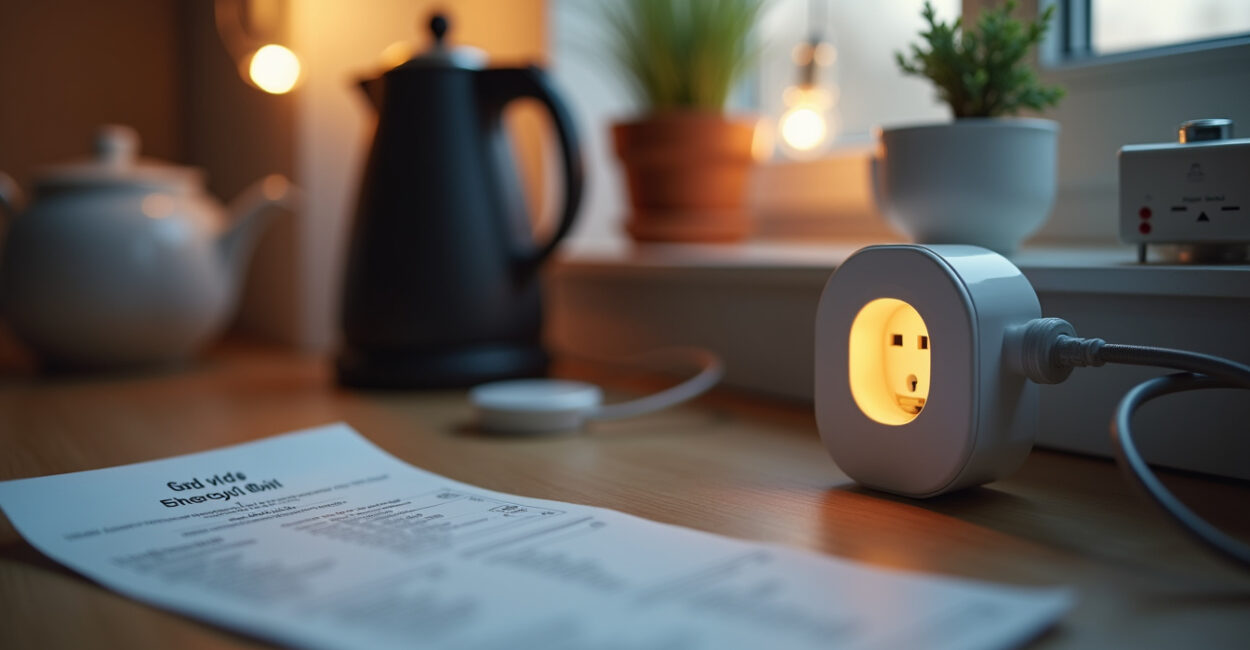
Smart plugs and meters live at the intersection of software and electricity. Ignore amperage, voltage range, and surge ratings and you’ll either trip breakers or toast devices. Match the plug’s max current to the load you intend to control — ovens, heaters and window AC units are common culprits that exceed residential smart plug ratings. Also check certifications (UL, CE) for safety. A cheap overseas plug might pair fine but fail under load, costing you more than the device’s price.

The Protocol Mismatch That Looks Like a Bug
Here’s a comparison that surprises people: expectation vs. reality. Expectation: “Zigbee devices pair to any Zigbee hub.” Reality: Zigbee profiles and clusters vary; some devices use manufacturer-specific clusters that won’t expose the controls you expect. Before integrating, confirm the device exposes the required clusters or supports a standard profile. That saves hours of firmware-hunt, beta firmware flashing, or painful adapters.
Top Errors That Break Automations (and How to Avoid Them)
Common mistakes are predictable — and fixable.
- Buying by brand only — verify protocol and cloud dependency.
- Skipping firmware checks — old firmware often lacks needed APIs.
- Ignoring regional variants — plugs and meters may have different models per country.
- Assuming all apps are equal — mobile app + local API vs. cloud-only changes behavior.
- Overlooking mesh requirements — Zigbee/Z‑Wave performance depends on network topology.

Mini Story: The Office with Five Smart Plugs and Zero Automations
They bought five identical smart plugs for an office and a cloud-based energy dashboard. Everything paired individually in the vendor’s app, but the dashboard only saw two devices. Investigation revealed the dashboard required the vendor’s cloud token and a different API version; two plugs used legacy firmware that the cloud token didn’t enumerate. A firmware update and token refresh restored visibility — but not before two evenings of wasted work and a missed energy report deadline.
Checklist: Pairing Smart Plugs, Meters, and Apps
Use this quick checklist as your purchasing ritual — treat it like a preflight.
- Transport layer: confirm Wi‑Fi, Ethernet, Zigbee, Z‑Wave, BLE, or LoRa.
- Application protocol: MQTT, CoAP, REST, Modbus, or vendor cloud API.
- Power ratings and certifications (UL/CE/IEC) for devices controlling mains.
- Firmware version and upgradeability — local update preferred.
- Cloud dependence: local control vs. cloud-only features.
- API access: public REST/MQTT endpoints or SDK availability for integration.
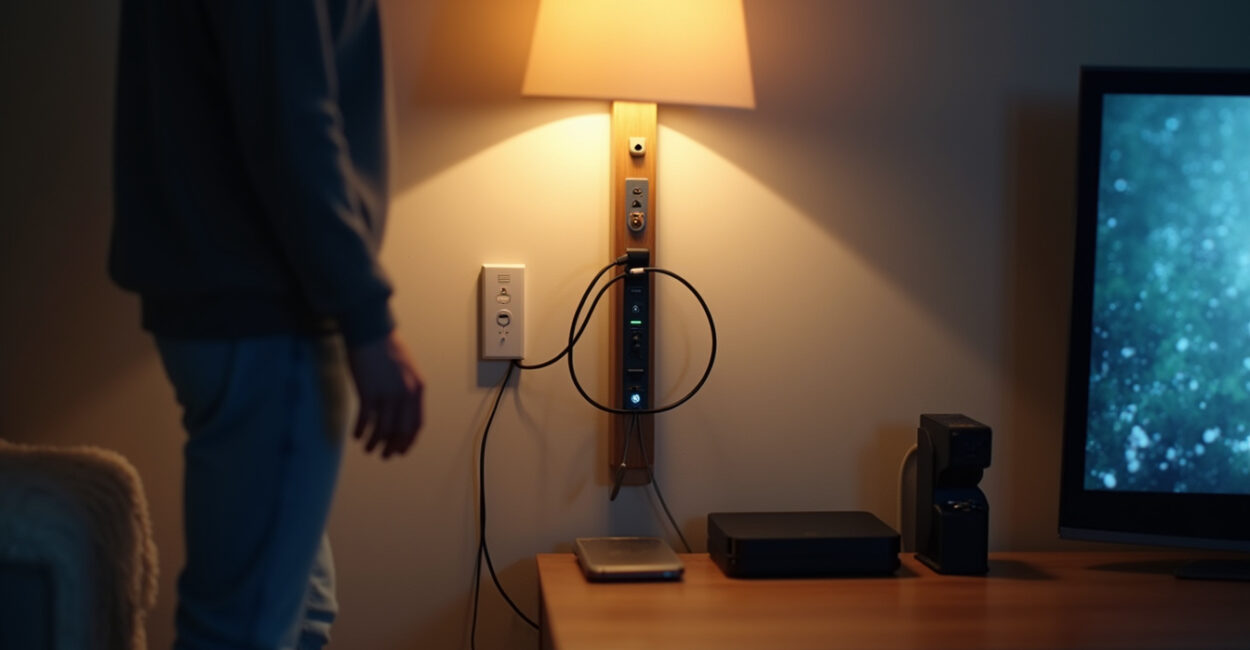
- Network topology: ensure repeaters/routers for mesh protocols.
Integration Tips That Actually Work in the Real World
Prioritize local control and observable interfaces. When possible, choose devices that offer a local API or MQTT bridge — that keeps automations working even when clouds go down. Use a small test bench: one smart plug, one meter, one app. Confirm discovery, control latency, and state persistence over 48 hours. Finally, document the exact firmware and settings; when something breaks, roast through versions and config first before replacing hardware.
For authoritative guidance on communication protocols, see the National Institute of Standards and Technology’s overview of IoT standards and guidelines: NIST IoT resources. For safety and electrical standards, the U.S. Department of Energy provides practical tips on smart meters and grid interoperability: U.S. Department of Energy.
One sentence to leave you thinking: a single compatibility checkbox upfront can prevent a month of troubleshooting later. Make it non‑negotiable.
How Do I Know If a Device Truly Supports Local Control?
Look for explicit mentions of LAN API, MQTT, or REST endpoints in the technical documentation and firmware notes. If the product only lists “cloud app” or “Alexa/Google Home” as integration, it’s likely cloud‑dependent. Check community forums and GitHub for projects that reverse‑engineer the device — they often reveal local endpoints and authentication methods. Finally, test on your network before deploying at scale: add the device, monitor traffic, and verify commands succeed when internet access is disabled to ensure true local control.
Can a Smart Plug and a Smart Meter from Different Brands Work Together?
Yes — but only if they share compatible layers: transport (Wi‑Fi/Zigbee), application protocol (MQTT/Modbus/REST), and accessible APIs. Many smart meters export data via Modbus or MQTT and smart plugs accept MQTT commands; that’s a gold path. If one device is cloud‑only and the other expects local polling, bridging software or a home automation hub (e.g., Home Assistant) is often required. Always verify payload formats and authentication requirements before assuming compatibility.
What Firmware Practices Prevent Future Incompatibilities?
Keep devices on vendor‑supported firmware, and prioritize products with a clear update policy. Devices that allow manual firmware updates or have documented changelogs are better bets. Before updating, test the new firmware on a single device; automation breaks often come from subtle API changes. Also, maintain versioned configuration backups and a log of changes — when something stops working, rollback is usually faster than chasing new bugs across multiple devices.
Is Mesh Networking Necessary for Home Energy Devices?
Mesh protocols like Zigbee and Z‑Wave are beneficial when you have many low‑bandwidth devices spread across a property, because they extend range and reliability through device‑to‑device routing. However, they require a healthy mesh topology with sufficient mains‑powered repeaters. For dense, single‑room setups, Wi‑Fi or Ethernet may be simpler and quicker to troubleshoot. Choose mesh when physical layout or building materials prevent direct connections to a hub or gateway.
What’s the Quickest Way to Avoid Costly Compatibility Mistakes When Buying Gear?
Adopt a three‑step buying rule: (1) verify transport and protocol compatibility with existing systems, (2) confirm power and safety specs for the intended load, and (3) ensure firmware upgrade paths and API access. Buy single units to bench‑test before committing to bulk purchases. Keep a one‑page integration spec that lists exactly what each device must expose; if a product fails any line on that spec, move on. This ritual prevents wasted money and late‑night debugging sessions.