Skip to content

Two months after installing a smart meter, Maya noticed her electricity bill dropping — and felt her chest tighten. The device tracked usage every minute, her heater’s on/off patterns, even which room hummed with life. That’s where privacy concerns start: continuous energy monitoring promises savings, but it also paints a detailed portrait of how you live. If that portrait leaks, sells, or is subpoenaed, the consequences go far beyond a higher utility bill.
What Energy Monitors Actually Collect (and Why It Feels Invasive)
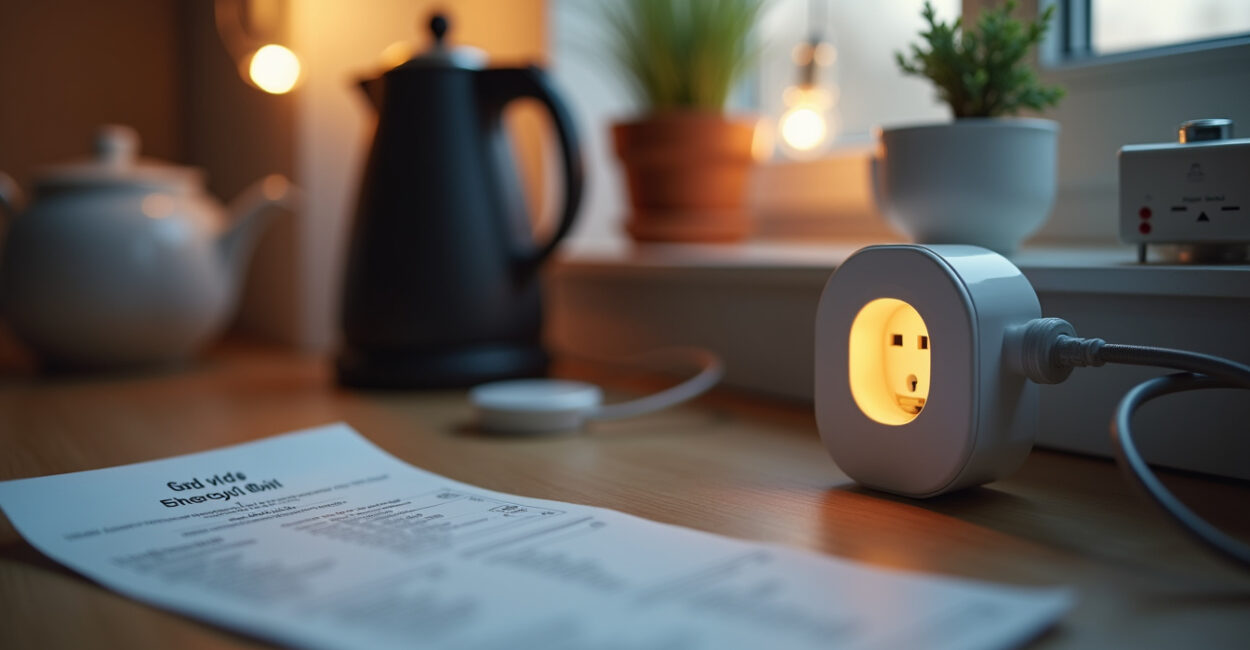
These devices collect far more than a single monthly kilowatt-hour number. Smart meters, in-home energy monitors, and connected plugs log timestamps, rapid power fluctuations, appliance signatures, and sometimes even device-level data when paired with handy apps. Providers can infer occupancy, daily routines, when you’re on vacation, or even medical device use. The data resolution matters: a reading every 15 minutes is one thing; a reading every second can decode a washing machine cycle or an oven preheat.
Who Can See Your Household Energy Fingerprint?
It’s not just the utility company. Energy companies, third-party analytics firms, device manufacturers, contractors, and sometimes government agencies can access or request this data. Aggregators may analyze and resell usage patterns for demand forecasting or targeted marketing. In some regions, law enforcement has obtained energy data via warrant or subpoena. The chain of custody is long: once data leaves your meter, you often lose granular control over who looks at it.

The Security Risks Nobody Advertises on the Packaging
Data breaches and insecure device firmware are real threats. Poorly secured smart meters or smart-home hubs can be entry points for attackers. Beyond privacy loss, attackers could identify absence windows, plan burglaries, or disrupt home energy equipment. Vulnerable devices also risk being hijacked into botnets. Imagine a breach that exposes detailed schedules of people using life-support equipment — that’s more than an inconvenience; it’s life-threatening.
Expectation Vs. Reality: What People Think is Private and What Actually Is
Expectation: the meter records totals and only the utility looks. Reality: continuous monitoring creates a behavioral map that can be monetized or subpoenaed. The surprising truth: your kettle’s “signature” can act like a fingerprint. A quick comparison: before smart meters, usage data was a monthly summary. After smart meter rollout, the same household’s raw data became a minute-by-minute log — useful for grid management, but also rich fodder for analytics companies and advertisers.

Common Mistakes Homeowners Make (and How to Avoid Them)
People assume “smart” equals safe — that’s the biggest error. Other common mistakes:
- Buying devices without checking the manufacturer’s privacy policy.
- Using default passwords or leaving remote access enabled.
- Connecting too many devices to a single hub without network segmentation.
- Assuming anonymized data can’t be re-identified.
Avoid these by reading terms, changing defaults, creating a separate IoT network, and asking your utility how long they retain high-resolution data.
Practical Steps to Keep Your Household Usage Private (what to Do Today)
You can throttle the data flow and reclaim control without going off-grid. Start with the basics: change default credentials, enable two-factor authentication on accounts, and put smart devices on a guest Wi‑Fi network. Ask your utility what resolution of data they collect and for how long they retain it; opt out of high-frequency data sharing if available. Consider local energy monitoring that stores data on a home server rather than the cloud, and use energy-saving devices with transparent privacy practices.
The Trade-offs and the Question You Really Need to Ask
Every privacy gain comes with a cost. Higher privacy may mean less granular insights for optimizing bills or participating in demand-response programs that pay you. The key question: who benefits from this data — you or someone else? If a program offers discounts in exchange for minute-by-minute data, weigh the monetary benefit against the long-term privacy exposure. Sometimes the sensible middle path is reduced-resolution sharing paired with strong contractual limits on resale and retention.
Comparison aside, remember this: energy data is behavioral data. Treat it like your location history or health records — sensitive, revealing, and worth protecting.
For context on legal protections and precedents, see analyses from the U.S. Department of Energy and reporting on smart meter data requests. According to U.S. Department of Energy, smart grid deployments raise privacy questions that demand policy attention. Reporting from NIST also outlines technical standards and best practices for securing such systems.
Think of your home energy data like a diary: convenient to keep, painful if exposed. A few deliberate steps now can keep strangers from reading your most intimate routines.
Can My Utility Sell My Detailed Energy Data?
In many places, utilities can share or sell aggregated or de-identified data, but rules vary widely by jurisdiction. Whether they can sell identifiable, high-resolution data depends on local regulations, your utility’s privacy policy, and any consent you gave. Some states require explicit opt-in for sharing detailed data; others allow broader use. Always request the utility’s data-sharing policy and retention schedule, and ask how to opt out or limit the resolution of data they collect.
Will Reducing Data Resolution Hurt My Ability to Save on Bills?
Lowering data resolution can reduce personalized recommendations and the accuracy of automated optimization tools, but it doesn’t prevent basic energy-saving measures. If you opt for hourly instead of per-second logging, you may lose appliance-specific insights but still get enough information for broader usage patterns. For most households, a small loss in optimization accuracy is worth the privacy gain; if you participate in utility incentive programs, check their minimum data requirements first.
Are In-home Storage Solutions Actually Safer Than Cloud Services?
Storing data locally limits exposure to external breaches and third-party access, but it places responsibility on you for backups, software updates, and physical security. A properly configured local server with encrypted storage and regular updates can be safer than a cloud service with lax policies. However, cloud providers often offer robust security and redundancy; the difference is control versus convenience. Evaluate the vendor’s practices, the device’s update policy, and your willingness to manage the system.
What Should I Do If I Suspect My Energy Data Was Accessed Without Permission?
If you suspect unauthorized access, immediately change account credentials and enable two-factor authentication. Contact your utility to request logs, data access history, and details about any third-party disclosures. If personal or sensitive health-related inferences are possible, consider filing a report with local authorities and a complaint with your region’s data protection regulator. Document everything: timestamps, messages, and any unusual notifications. Quick action improves your chances of containment and remediation.
How Long Do Utilities Keep Detailed Energy Records and Can I Request Deletion?
Retention policies differ: some utilities keep high-resolution data for weeks or months, others for years. Many are required to retain billing records longer, but the retention of second-by-second consumption logs is often discretionary. You can request your utility’s retention policy and, depending on local law, ask for deletion or anonymization of your data. Even when deletion isn’t guaranteed, utilities sometimes offer reduced retention or aggregated reporting options if you explicitly request them.