Skip to content

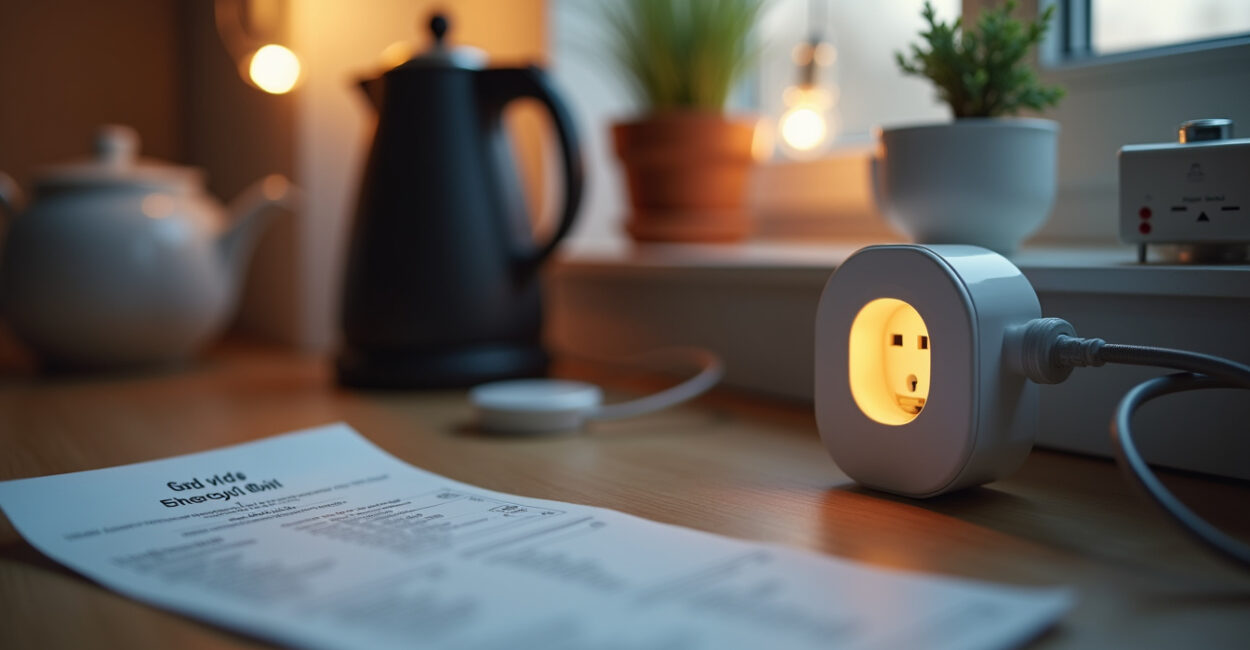
A plug that can measure electricity use is far more useful than a “smart” outlet that only turns things on and off. With smart plugs with energy monitoring, you can see which devices actually draw power, how much they cost to run, and where waste hides in plain sight.
That matters most in small homes and rentals, where you may not control the whole electrical setup but you still control dozens of individual loads: a space heater, a dehumidifier, a gaming console, a coffee maker, or a TV that never fully sleeps. The right plug does more than show a number in an app. It helps you make one better decision after another, and those decisions add up.
What You Need to Know
- Real energy monitoring should show watts in the moment and kilowatt-hours over time; one without the other is only half useful.
- The best app data is easy to compare across days, weeks, and devices, because trends matter more than a single reading.
- A smart plug is most valuable on appliances with steady or predictable loads, where usage patterns are easy to spot and change.
- Features like scheduling, alerts, and exportable logs turn a monitoring plug into a practical tool for lowering bills.
- Not every device is a good fit; high-amp appliances, motor loads, and always-on critical equipment deserve extra caution.
Smart Plugs with Energy Monitoring: What the Numbers Actually Mean
In technical terms, an energy-monitoring smart plug measures electrical power at the outlet level and reports usage data through a companion app or home platform. Power is usually shown in watts, while consumption is tracked in kilowatt-hours, or kWh, the same unit your utility bill uses. That distinction matters: watts tell you what something is drawing right now, and kWh tell you what it cost to run over time.
In practice, the most useful plugs do not just flash a live number. They keep a time history, let you label devices, and store enough data to reveal habits. A lamp that looks cheap at 8 watts may add up if it runs 14 hours a day. A dehumidifier may spike for a few minutes and then settle into a stable cycle. The monitoring works best when you can see both the instant draw and the pattern behind it.
What separates a useful energy-monitoring plug from a gimmick is not the app design — it is whether the data helps you change behavior before the next bill arrives.
Watts, KWh, and Standby Draw
Watts are the speed of energy use. kWh are the distance traveled. That’s the cleanest way to think about it. Standby draw is the hidden cost many people miss, especially with TVs, consoles, audio gear, and chargers that stay warm even when “off.” The U.S. Department of Energy explains how standby power adds up across everyday devices in a way that is easy to underestimate; see its guide to phantom loads.
Why Monthly Averages Can Mislead You
Monthly summaries are useful for a broad picture, but they can flatten important detail. A space heater used for two cold weeks may dominate a month even if it is off the rest of the time. That is why daily and hourly views are often more valuable than a single “this month” number. If the app only gives rough totals, it is harder to separate a temporary spike from a real habit.
Monitoring Features That Actually Help Cut Electricity Use
Not every monitoring feature changes behavior. Some just make the dashboard look busy. The features that matter most are the ones that connect data to action: alerts, schedules, thresholds, and historical charts. If a plug can tell you “this device has been drawing 120 watts for eight hours straight,” you have something you can work with.
Features Worth Paying For
- Live watt reading: useful for identifying what turns expensive devices into money leaks.
- Lifetime kWh tracking: necessary for estimating real cost over weeks and months.
- Custom alerts: helpful when a device runs longer than expected or leaves standby mode active.
- Scheduling and timers: practical for chargers, fans, lights, and seasonal gear.
- Usage history by day or hour: the fastest way to spot patterns you can actually change.
Features That Sound Useful but Rarely Move the Needle
Colorful graphs, animated dashboards, and vague “eco scores” do not reduce consumption by themselves. They may feel informative, but if they do not tell you when a device is wasting power or how much it costs to leave it on, they are decorative. I have seen people buy a plug for the app polish and end up using only one tab: the basic usage graph. That is the tab that matters.
The U.S. Environmental Protection Agency’s ENERGY STAR program is a good reminder that efficiency is about measurable performance, not marketing language. If a feature does not help you measure, compare, or act, it is probably not the feature that will save money.
The best monitoring feature is the one that turns a vague suspicion into a scheduled change, because savings usually begin with one device and one habit.

How to Compare App Data Without Getting Lost
Comparison is where many buyers get stuck. Two apps can show the same device and still feel completely different. One may emphasize real-time power, another monthly totals, and another a daily chart with no export option. The question is not which app looks best. The question is which one helps you answer a simple bill-related question faster.
Three Comparisons That Matter Most
- Current draw versus past draw: Can you see whether a device is using more power than it did yesterday?
- Device A versus Device B: Can you compare two similar appliances to choose the more efficient one?
- Daytime versus nighttime: Can you separate active use from standby or overnight waste?
Look for Export, Not Just Display
Exportable data is underrated. If the app lets you download CSV files or share logs, you can compare devices more accurately and keep your own record when the cloud view changes. That is especially helpful in rentals, where you may want to track a portable AC, a window fan, or a heater season by season. Without export, you are trusting one interface to be your only archive.
| App feature | Why it matters | Best use case |
|---|---|---|
| Live watts | Shows instant load changes | Checking appliance draw |
| Daily kWh | Shows real daily cost patterns | Finding recurring waste |
| History charts | Reveals trends over time | Comparing weeks and seasons |
| Export tools | Lets you analyze outside the app | Long-term tracking |
Best Use Cases in Small Homes and Rentals
In a large house, monitoring can feel broad and abstract. In a smaller home or rental, it becomes specific fast. You are usually tracking a limited number of appliances, which makes it easier to connect one outlet to one result. That is why this category is often more useful in apartments than in full home automation setups.
Devices That Usually Pay Off First
- Space heaters and portable air conditioners
- Dehumidifiers and humidifiers
- Refrigerators and mini-fridges, when the plug is rated for the load
- TVs, streaming boxes, consoles, and audio systems
- Coffee makers, desk lamps, and workstation accessories
One renter I know used a plug on a compact dehumidifier in a damp basement bedroom. The app showed that the unit was running far longer than expected after the humidity had already dropped. After changing the timer and moving the unit’s run window, the device stopped cycling pointlessly. Nothing dramatic happened. The bill just came in lower the next month, which is exactly how these tools should work.
That said, the plug is not a magic fix. It works well on plug-in loads you can control. It does not solve poor insulation, aging HVAC systems, or a broken appliance that needs repair. In that sense, the plug is a diagnostic tool first and a savings tool second.
Compatibility, Safety, and Device Limits You Should Not Ignore
Energy monitoring is useful only if the plug is safe for the device you attach to it. Check the rated amperage and wattage, and match those limits to the appliance. A plug that is fine for a lamp may be a poor choice for a high-draw heater. Many product listings bury those limits in fine print, but they are the first thing to verify.
What to Check Before You Buy
- Amperage rating: Make sure it fits the load, especially for heating devices.
- UL or ETL certification: A recognized safety mark matters more than a long feature list.
- Wi-Fi compatibility: Confirm it supports your network band and router setup.
- Platform support: Check whether it works with Alexa, Google Home, Apple Home, or Matter if you need integration.
There is one limit worth stating plainly: some specialist loads do not behave well behind a smart plug, even if the plug is technically rated for them. Motor-driven equipment, older appliances, and devices with irregular startup surges can produce readings that are harder to interpret. If the device is essential or expensive, use caution and read the manufacturer guidance before automating it.
How to Read Usage Data Like a Pro
Good monitoring is not about staring at charts. It is about spotting repeatable patterns. Start by looking for three things: high baseline consumption, long runtime, and unusual spikes. If a device’s idle draw is higher than you expected, that is a standby problem. If runtime is longer than the room needs, that is a control problem. If the plug shows bursts that line up with a compressor or heating cycle, that may be normal cycling rather than waste.
A Simple Workflow That Works
- Log one device for at least seven days.
- Check hourly and daily totals, not just the live number.
- Compare weekday and weekend use.
- Adjust one habit, timer, or schedule.
- Measure again before making another change.
That last step matters because intuition is often wrong. A device that “feels” expensive may be cheaper than a forgotten backup charger or a compact appliance that runs all day. The point is not to guess your way to savings. The point is to let the data show you where the easy wins are.
What to Buy for the Best Return on Effort
If you want the best value, prioritize a plug that balances accurate monitoring, clear app history, and reliable scheduling over one that promises dozens of extra integrations. In many homes, a good plug used on two or three expensive loads will outperform a flashy system spread across the whole house. That is especially true if you live in a rental and need portable, reversible changes.
The smartest purchase is usually not the most feature-packed plug — it is the one you will keep using after the first week.
Before you buy, read the specs like a checklist, not a wish list. Does it measure kWh over time? Does it store history? Can you set alerts? Is the app easy enough that you will still open it after the novelty wears off? Those answers matter more than the marketing photos.
If you want a practical next step, start with one high-usage device, monitor it for a week, and compare the live draw with the usage history. If the app makes it easy to see patterns, keep going. If it hides the data behind too many taps, move on. A good monitoring plug should save time as well as electricity.
Frequently Asked Questions
Do Smart Plugs with Energy Monitoring Really Save Money?
They can, but only when you use the data to change something. The biggest savings usually come from stopping standby waste, adding schedules, or cutting runtime on devices that were left on too long. A monitoring plug by itself does not save money; the behavior change that follows the data does. That is why the best results come from using it on a few expensive loads instead of every outlet in the home.
Can I Use One with a Space Heater or Portable Air Conditioner?
Sometimes, but only if the plug’s amperage and wattage ratings match the appliance and the manufacturer says the setup is safe. Space heaters are one of the highest-risk categories because they draw a lot of power for long periods. Portable air conditioners can also have significant startup surges. If the product listing is vague, skip it and choose a plug with a clearly stated load limit.
What Data Should I Look at First in the App?
Start with live watts, daily kWh, and usage history over at least one week. Live watts help you confirm whether a device is drawing power now, while daily kWh tells you whether the total is actually worth worrying about. Usage history is the part that reveals habits. If the app offers export, that is even better because it lets you compare patterns without relying on one screen view.
Are These Plugs Useful in Apartments and Rentals?
Yes, and they are often more useful there than in larger homes. Rentals limit what you can change, so tracking plug-in appliances is a practical way to reduce waste without altering the building itself. You can monitor heaters, fans, dehumidifiers, entertainment gear, and desk setups. The main advantage is portability: when you move, the monitoring data and the plug can move with you.
Do All Smart Plugs Work with Alexa, Google Home, or Apple Home?
No. Compatibility varies a lot by brand and model. Some support one ecosystem, some support several, and newer devices may support Matter for broader interoperability. Before buying, check whether the plug works with the platform you already use. If app control matters more than voice control, make sure the monitoring dashboard is strong enough on its own.