Skip to content

Small apartment electric loads add up faster than most people think. A TV in standby, a space heater left on a schedule, a coffee maker with an always-on clock, and a charging brick that never really sleeps can quietly keep drawing power every hour of the day. That is where energy-saving smart plugs for apartments earn their keep: they give you app control, scheduling, and real off-switches for devices that waste electricity when nobody is using them.
The good ones do more than turn lamps on and off from your phone. In tight living spaces, they help you cut phantom load, avoid crowded outlets, and automate a few stubborn routines without making your setup feel cluttered. This article breaks down which features matter, which smart plugs are worth a look for apartment life, and where the savings are real versus overstated.
What You Need to Know
- A smart plug saves the most when it controls devices with standby power, predictable schedules, or long idle hours.
- Energy monitoring is useful, but on/off automation usually delivers the fastest practical savings in apartments.
- For small rooms, compact design matters as much as software because bulky plugs can block the second outlet.
- Wi-Fi compatibility, Matter support, and local control reduce friction when you share a space or switch phones.
- The best pick is not always the most expensive one; the right plug depends on load type, outlet layout, and how often you actually automate.
How Energy-Saving Smart Plugs for Apartments Reduce Waste Without Adding Clutter
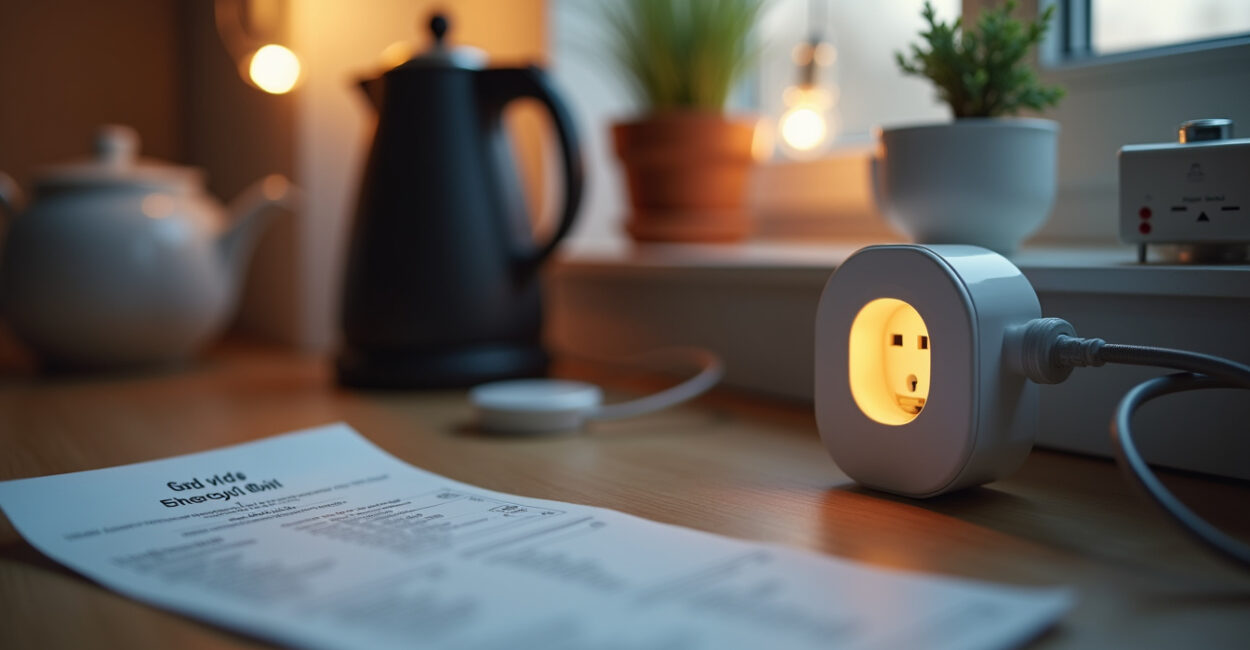
Technically, a smart plug is a connected relay switch that sits between the wall outlet and the appliance, letting you control power remotely or by schedule. In plain English, it is a tiny gatekeeper for electricity. That matters in apartments because many loads are easy to forget: fans, lamps, routers on a timed restart, and chargers that stay plugged in for convenience. Used well, one plug can replace several habits you will not reliably maintain.
The savings come from two places. First, you stop standby draw on devices that sip power all day. Second, you stop “lazy overuse” — leaving something on because it is annoying to walk over and shut it down. The U.S. Department of Energy explains the standby-loss problem clearly, and its guidance on phantom loads is still one of the cleanest public explanations of why these devices matter. For apartment living, that is the real use case: less waste, fewer steps, and no remodel required.
What separates a useful smart plug from a gimmick is not the app — it is whether the plug helps you control a load that would otherwise stay energized for no good reason.
The Loads That Benefit Most
- Table lamps and floor lamps that run on predictable evening schedules.
- Fans, humidifiers, and air purifiers that need timed shutoff.
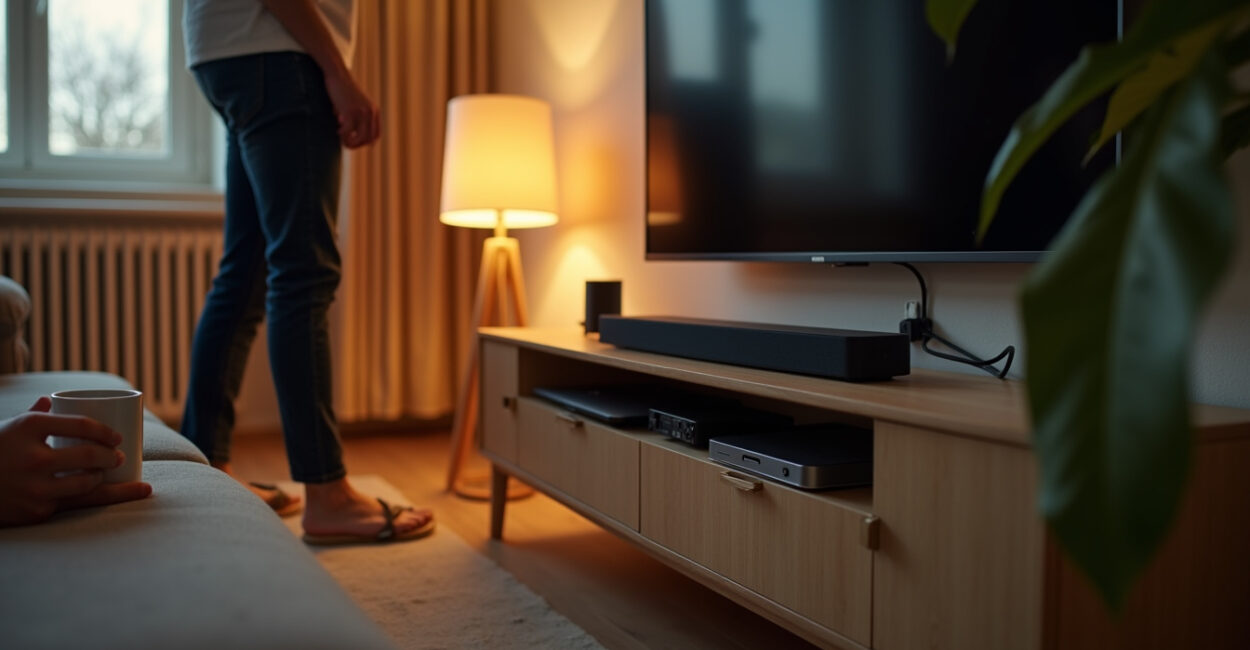
- Entertainment gear with obvious standby consumption.
- Kitchen appliances with clocks, displays, or transformer-based power bricks.
The Features That Actually Matter in Tight Apartment Spaces
A lot of smart plugs look good on paper and then fail in a real apartment because they are too wide, too noisy, or too dependent on cloud services. The first thing I check is size. If the plug blocks the second socket, it is a poor fit unless your outlet use is trivial. The next thing is connectivity. A stable Wi-Fi plug beats a flaky one every time, and Matter support is becoming a real advantage for anyone who wants flexibility across ecosystems like Apple Home, Google Home, and Alexa.
Energy monitoring is worth paying for if you are trying to identify hidden waste, but it is not mandatory for simple automation. In practice, I see people obsess over kilowatt-hour charts and ignore the obvious wins: shutting off a fan after two hours, or turning off a TV strip at night. That is why the best apartment smart plugs are compact first, then intelligent.
Check for these features before you buy:
- Compact body so adjacent outlets remain usable.
- UL listing or equivalent safety certification.
- Wi-Fi 2.4 GHz support, since many plugs do not use 5 GHz.
- Local schedules and timers that still work if the cloud service stalls.
- Power monitoring if you want to measure actual draw, not guess.
For a quick safety reference, the FCC’s consumer guidance is useful when people worry about Wi-Fi device placement, and ENERGY STAR remains the best starting point for understanding which connected devices are designed with efficiency in mind.

Best Picks for Apartment Living: Compact, Reliable, and Worth Paying For
If you are choosing for an apartment, I would narrow the field to plugs that are small, dependable, and easy to automate. You do not need a giant feature list. You need something that works behind a couch, does not block a neighboring outlet, and does not force you into a messy setup.
| Type of Plug | Best For | Why It Fits Apartments |
|---|---|---|
| Compact Wi-Fi smart plug | General room control | Small footprint, easy setup, solid for lamps and fans |
| Energy-monitoring smart plug | Tracking hidden draw | Lets you find standby waste without a separate meter |
| Matter-enabled smart plug | Multi-platform households | Better future-proofing if your phone or voice assistant changes |
| Heavy-duty smart plug | Higher-load appliances | Useful for select devices, but often too bulky for tight outlets |
My Shortlist by Use Case
- Best all-around choice: a compact Wi-Fi plug with app schedules and local timers.
- Best for tracking waste: an energy-monitoring plug with a clear usage history view.
- Best for long-term compatibility: a Matter-compatible model from a brand with regular firmware updates.
Brands matter less than execution here. TP-Link Kasa, Eve, Wemo, Amazon, and Meross all have models that can fit apartment use cases, but the model itself matters more than the logo. A bulky “premium” plug that blocks the next outlet is a worse buy than a simpler one that disappears behind your furniture and works every day.
The best apartment smart plug is the one you stop thinking about after setup, because it keeps saving power without getting in the way of normal life.
Where the Real Savings Show Up on a Monthly Bill
Smart plugs rarely slash a bill by themselves. That claim gets exaggerated all the time. What they do is remove waste from multiple small loads, and that becomes visible over a month. In an apartment, the biggest gains usually come from equipment that stays energized for convenience rather than necessity: entertainment gear, chargers, desk setups, fans, and small kitchen appliances with standby displays.
The U.S. Environmental Protection Agency’s ENERGY STAR resources are useful here because they frame efficiency as a system, not a single gadget. You save more when you combine scheduling, lower standby draw, and fewer always-on behaviors. If your apartment already has efficient lighting and a modern HVAC setup, your smart plug savings will be modest. If you still have a lot of phantom load, the savings are real.
A practical rule: if a device is on fewer than six hours a day, or spends most of its time waiting, a smart plug can often help. If a device must remain on for safety, networking, or food storage, leave it alone. This is where people get things wrong — not every appliance should be cut off at the wall.
Setup That Works the First Time, Not Just in the App Store Demo
The smoothest setup starts before you pair anything. First, check that your Wi-Fi is 2.4 GHz and your router signal reaches the outlet location. Second, decide what the plug will control before you plug it in. Third, name it in a way that makes sense at 11 p.m. when you are tired. “Desk Lamp Left” beats “Plug 3” every single time.
Here is a setup sequence that avoids most frustration:
- Plug the device directly into the wall, not a crowded power strip unless the manufacturer allows it.
- Connect it to the app and update firmware before building schedules.
- Test a manual on/off cycle three times in a row.
- Create one schedule first, then expand only if it behaves predictably.
- Use scenes or routines only after the basic switch function is stable.
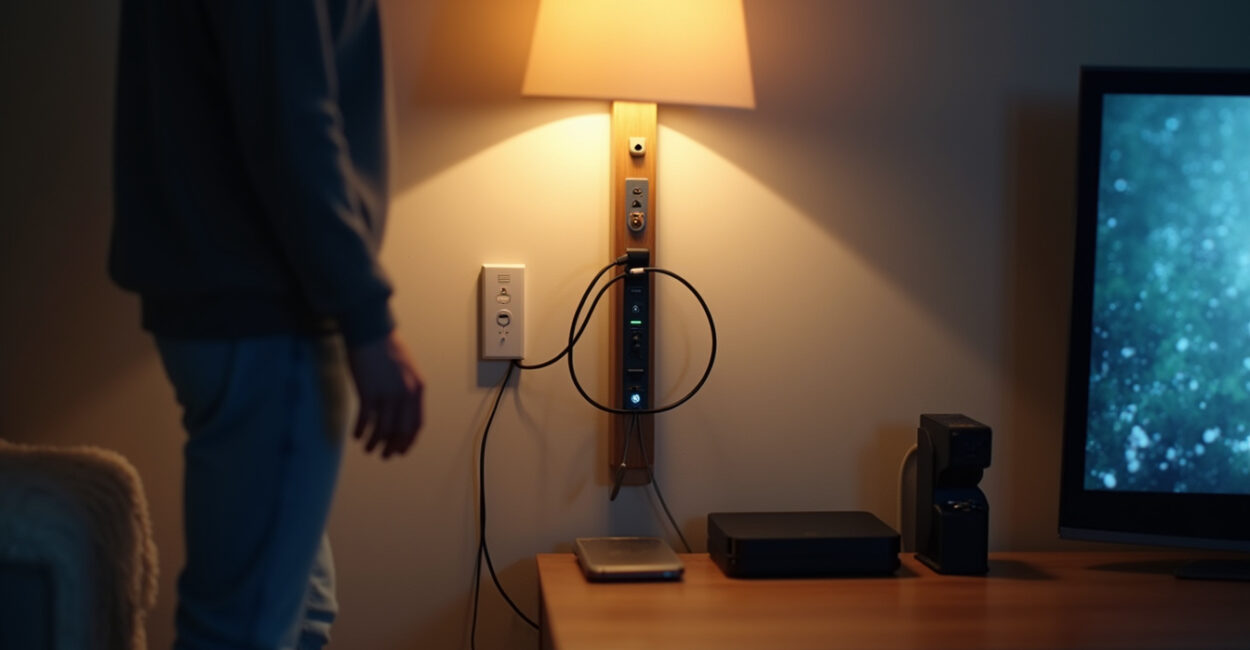
Mini-story: a renter I worked with in a studio apartment had two floor lamps, a small air purifier, and a TV that was always left in standby. The first month after adding two compact smart plugs, the apartment felt no different at all — which is exactly what you want. The difference came later, when the TV and purifier stopped drawing power overnight and the lamps shut off automatically at midnight. No drama. No new habits to remember.
Safety, Compatibility, and the Limits You Should Not Ignore
Smart plugs are safe when used within their ratings, but they are not universal adapters for every appliance. High-draw devices like space heaters, portable AC units, and some coffee makers can exceed the safe load for many plugs. That is one reason the package label matters: look for the amperage rating, resistive versus inductive load notes, and any specific appliance warnings. If a device gets hot on its own, treat that warning seriously.
There is also a compatibility limit that people miss. Some smart plugs depend on cloud servers for automation, while others support local control. Cloud dependence is not a dealbreaker, but it does add a failure point. If your internet goes down, a cloud-first plug may stop doing the thing you bought it to do. That is why I favor models with local schedules or Matter support when the price difference is reasonable.
One more nuance: smart plugs are great for control, but they are not the best tool for every efficiency problem. A modern LED lamp saves more energy than automating an old incandescent bulb. A well-sealed apartment reduces HVAC waste more than any plug can touch. Use the plug where it fits the job, not as a substitute for the bigger fixes.
How to Choose the Right Plug for Your Apartment Setup
If you want the simplest decision rule, use this one: choose the smallest reliable plug that supports the exact behavior you need. If you only need schedules, do not pay for features you will never open. If you want to learn where your energy is going, buy one monitoring model and test it on the most suspicious appliance first. If you share your apartment with other people, prefer a platform that handles multiple users cleanly and does not require everyone to install a different app.
That is the part people usually learn too late. The right plug is not the one with the longest spec sheet. It is the one that fits the outlet, survives daily use, and gets used enough to matter. For apartment dwellers, consistency beats complexity every time.
What to Do Next If You Want Lower Standby Power
Start with one room, not the whole apartment. Pick the device that stays on for convenience, attach one compact smart plug, and run it for two weeks. Watch for the small wins: lights shutting off when you fall asleep, a fan turning off on time, or a media setup no longer sipping power all night. If the first plug proves useful, add the next one only where the pattern is clear.
The smartest move is to treat this like a test, not a shopping spree. Compare one or two models, check outlet clearance, and verify whether the automation still works if Wi-Fi is unstable. That approach avoids buyer’s regret and gets you closer to actual savings instead of gadget clutter.
Can a Smart Plug Really Save Money in an Apartment?
Yes, but the savings depend on what the plug controls. It works best on devices with standby draw, long idle periods, or predictable schedules, like lamps, fans, humidifiers, and entertainment gear. A smart plug will not transform your bill by itself, but it can reduce small leaks that add up over time. In apartments, the best results usually come from controlling a few targeted loads instead of trying to automate everything.
Are Energy-monitoring Smart Plugs Worth It?
They are worth it if you want to identify which devices are wasting power or if you are trying to compare appliances. The monitoring data can confirm whether a device draws meaningful standby power or almost nothing. If your goal is only on/off scheduling, you can skip the monitoring feature and save some money. For many apartment setups, one monitoring plug is enough to find the biggest problem spots.
What Appliances Should Not Be Used with a Smart Plug?
High-draw appliances such as space heaters, some portable air conditioners, and certain kitchen devices may exceed the plug’s rating or create safety concerns. Anything with strong heat output deserves extra caution. Always check the manufacturer’s wattage and amperage limits before plugging it in. If the device is safety-critical or needs constant power, it is usually better to leave it alone.
Do Smart Plugs Still Work If the Internet Goes Out?
Some do, and some do not. Models with local schedules or local control can continue basic automation during an outage, while cloud-dependent plugs may lose app control or scheduled behavior. That difference matters in apartments where Wi-Fi can be inconsistent or shared with neighbors. If reliability matters to you, look for local-first support or Matter compatibility before buying.
What is the Most Practical First Use for a Smart Plug in a Small Apartment?
The best first use is usually a lamp, fan, or entertainment device that runs on a predictable routine. Those are easy to automate, easy to test, and unlikely to cause compatibility problems. They also give you a quick sense of whether the plug actually fits your lifestyle. If the first device feels natural after a week, you have a good candidate for expanding the setup.